






An Impromtu Soirée !
A Saturday afternoon text. “What are you doing tomorrow?” turns into an

Tamha ausum ghari be ghashae
After thirty-six years of forced exile, Dr. Jeewan Rawal returns — not ju
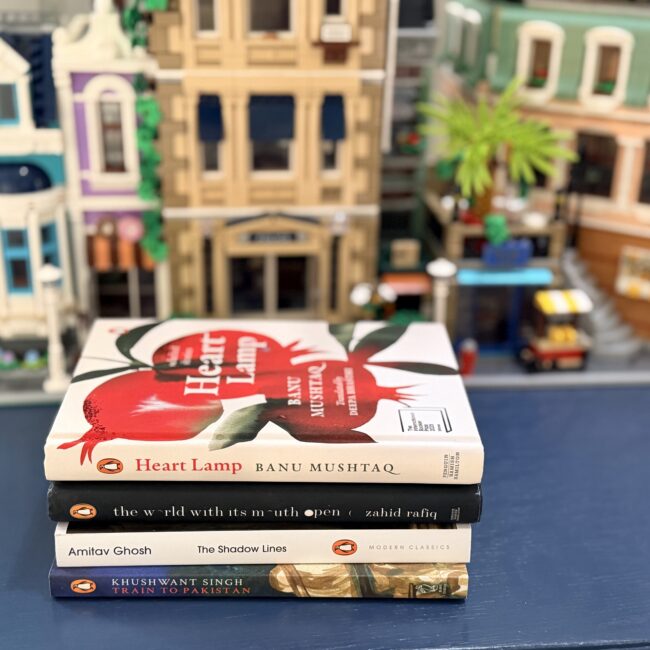
The Quiet Death of the Deep Reader
Books once held a monopoly on knowledge. Today they compete with smartphone
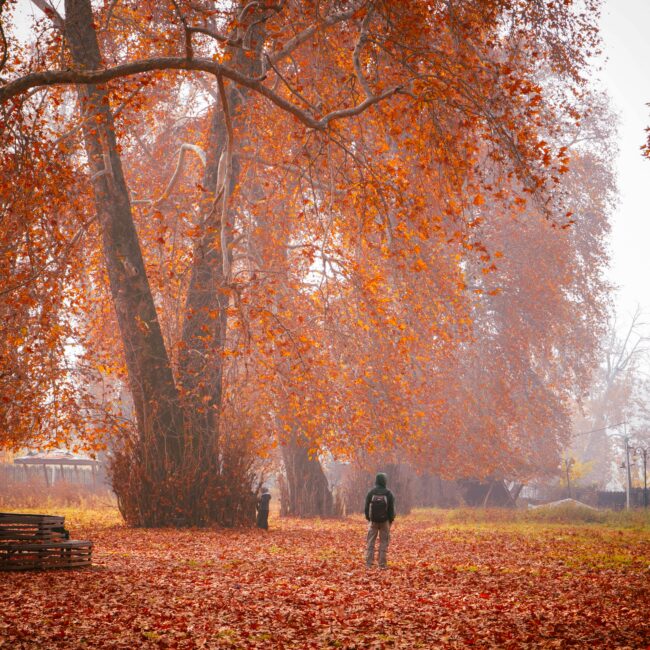
The Day The Mist Swallowed My World
At twelve, I was handed a note left at our gate: my father had been marked

Kailash and The Seven Chakras
On International Yoga Day, a multi-day Gyan Yoga session sparked an unexpec

Stop Scrolling: What 140 Characters Did to the Way We Think
You probably won't finish this, and that's precisely the problem. We've gon
In Focus
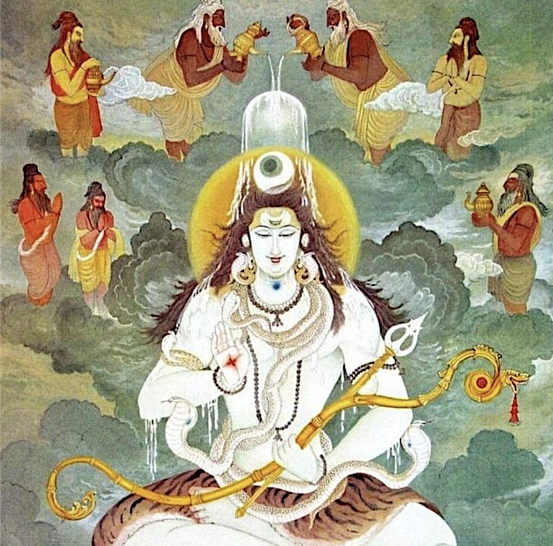
A Brief Introduction to Kashmiri Shaivism
Shaarika Munshi Kashmiri Hindus follow a specific branch of Hinduism known as Kashmiri Shaivism. This revolves around the worship of Lord Shiva and Mother Shakti. Though all other Gods and Goddesses of Hinduism are worshipped, Shiva-Shakti are the central to our traditions. These two divinities are eternal companions, husband and wife. One cannot be without […]
Editor's Desk
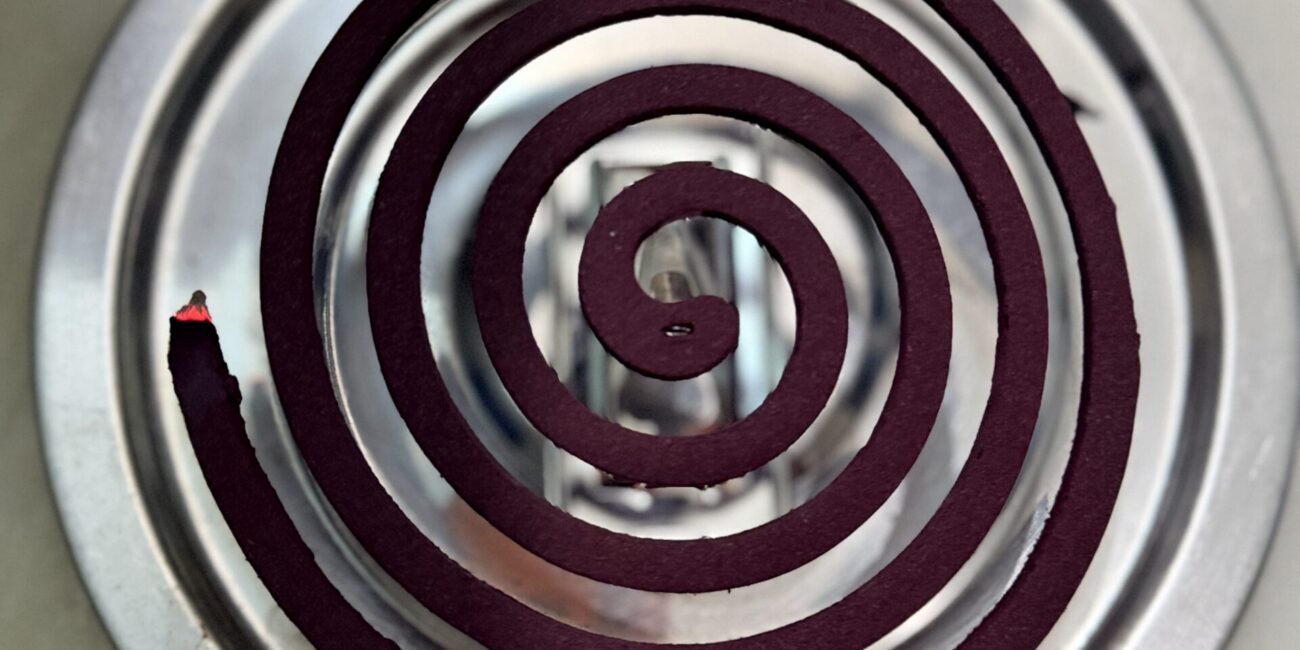
What The Coil Leaves Behind
The rain made the heat bearable but not the mosquitoes. I tried sprays and roll-ons; finally I lit the tortoise green coil and watched its smoke curl towards the fan. In the morning only a curved grey line of ash remained, a shape that stayed whole until it did not. Three family photographs, taken across decades, registered a similar disappearance: carved latticework and lawns, then an emptied house and finally only steps where a home once stood. The coil’s slow spiral seemed the right image for what time does to memory and to the land left behind.
CHILDREN'S NOOK






Looking for
stories stories that matter?
Read them here.
