


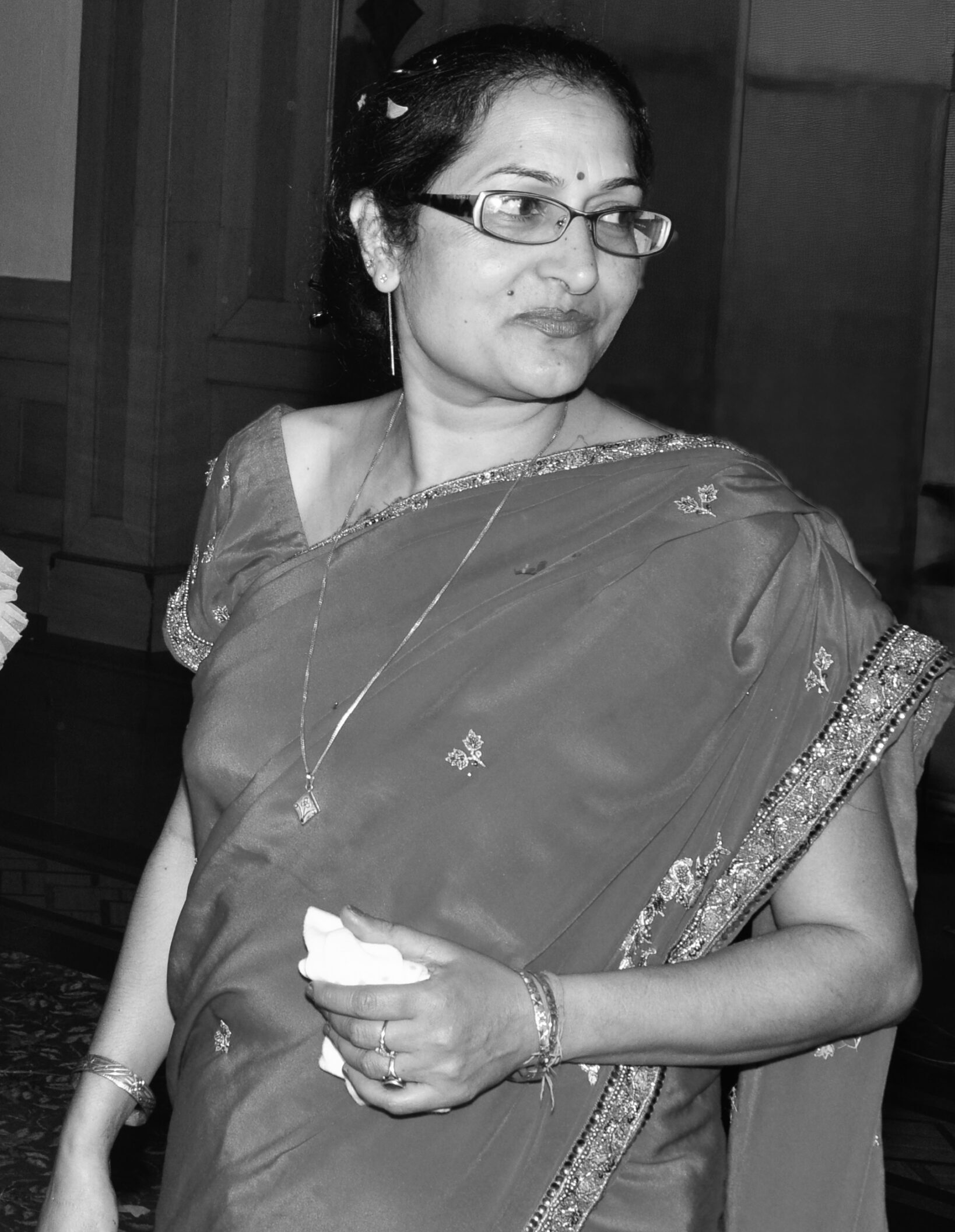

Moksha Laxmi
Moksha Laxmi, PhD, is a postdoctoral researcher at the Scheie Eye Institute, University of Pennsylvania, where she studies the genetic basis of glaucoma and eye disorders. Originally from India, she now juggles life in the lab with the joyful chaos of raising twin toddlers. When she’s not decoding genes or negotiating nap times, she enjoys cooking up creative recipes and creating decorative arts.
17 Comments
-
Sukhman
Heart touching writing.
Felt every single line of it. Lots of love… -
Ritobrita Chakraborty
Heartwarming and nostalgic. Very beautifully written.
-
SOUMYAKANTA MISHRA
What a moving piece—thank you for sharing these layered memories of Kashmir through your mother’s lens and Philly through yours. Reading it, I felt an ache I know all too well, and my heart goes out especially to her, carrying that silent weight of forced exile.
Your mother’s story hits hardest: leaving everything behind in the chaos of the exodus, rebuilding amid marriage and motherhood, with no space to mourn. The chinar trees, orchards, snowy streets—they live in her now only through Philly’s echoes, fragile threads of what was stolen. And you, bridging her pain with your chosen move, yet feeling its shadow. Aunty, me or You all of us are just uprooted trees, roots severed but branches reaching for light of our hometown.
I feel it too. After 33 years in New Delhi—my childhood home, school, college, those vibrant playgrounds and lush parks like Lodhi Garden and all those nearby my house—I uprooted to Bhubaneswar five years ago. The longing hits in waves: friends’ laughter, my old sarkari quarter smell and vibes of that society, the chaotic energy I called home. BBSR is steady, but it lacks Delhi’s soul-stirring joy. I yearn to return, just to breathe those good feelings again even of the air is not breathable anymore. Sometimes (more often) after an evening nap i woke up breathing heavily and that impinging pain of not being there in Delhi and enjoying the evening with my friends. Yet your mother’s uprooting feels deeper, irreversible—like mine, but amplified by loss and survival, which nobody can’t return her or pacify that longing.
We carry these homes in fragments: a snowfall, a leaf, a flavor. Empathy for her (and you) swells in me—we’re all replanting, hoping to bloom. Wishing you both moments of full belonging and fingers crossed 🤞🏻 for everyone of us. -
Arun Yadav
This was beautifully written. The way you connected memory, migration, identity and belonging across generations is deeply moving.
“Kashmir through her lens, Philly through mine” is such a powerful expression of how home continues to live within us even across distance and silence. Wishing you strength, warmth and peace on both your journeys. 🤍 -
Kanuj
Really good!
-
Aparna Kaul
Thank you for this article. Living in the UK feels the same way, and means nostalgia for my parents, sending them pictures of daffodils, pansies tulips, maple and navsheen that reminds them of back home. I recently visited Kashmir in spring time and now can see why my garden flowers and home here in UK made of old bricks and wood looks so much like home to them.
-
Nitin Bhat
Beautifully captures emotions and cherished memories
-
Revathy N
So much of life in ur heartfelt words…i liked it 💐💐
-
Mithra karthikeyan
Amazing and emotional lines that I can connect with my mom as well. Happy Mother’s Day.
-
Jhanvi Bhat
Aap bahot accha likhte ho❤️ beautiful 😍
-
Jayachandran Nair .C .V.
Touching .. deep into the souls🙏🏽🙏🏽🙏🏽
-
Suchita Jhingan
👍💕Beautifully written.
-
Sunetra Sase
This is penned so well! Congratulations! You will be great Science communicator
-
Mithalesh Singh
Nostalgic and beautifully heartfelt! The most striking aspect of your piece is the way you weave together the emotional experiences of leaving home one by choice and the other shaped by circumstances. As a researcher, your ability to connect two contrasting yet deeply human emotions is truly amazing . Your story reminds us that home is not simply a place, but a feeling that stays with us forever. That sense of home quietly returns whenever we step into unfamiliar experiences or new phases of life. Your story strongly echoes the words of Zakir Khan: “Leaving home leaves a scar on the heart that remains forever, and its echo continues to reverberate within us.”
-
Rashi Aga
how beautifully articulated
-
Moksha Laxmi
Thank you everyone such kind words


POST COMMENT
Related Posts

COP30 exposes fault lines – and India’s climate priorities
COP30 in Belém, Brazil, has sharpened global attention on how emergin

Addition-The Biggest Flaw in Human Thinking and Behaviour
We humans have somehow come to perceive that we progress mainly by a p

The Courage to See: Unpacking Unconscious Bias
Everyday our minds are quietly sorting the world, assigning meaning be

10 Common Traits of a ‘Good Enough’ Mum
A “good enough” mum accepts imperfection, takes responsibility, le
The Pause I didn’t Choose
It took only a moment for everything to change. A small misstep, and t

The Speak-Easy Folk
The 1920s were endlessly fascinating, filled with glamour, jazz, Art D
Kulbhushan Sharma
Emotional piece, She has lived a tragedy which we all just read in newspapers.