Navreh, the sacred New Year of Kashmiri Pandits, was never just a day marked on the calendar, it was a feeling, a quiet awakening of the soul, a gentle whisper of hope that life begins anew. Before the dark shadow of 1990 changed our destiny, Navreh in Kashmir was celebrated with a simplicity so pure, so deeply rooted in faith and tradition, that even today its memory moistens the eyes and warms the heart.
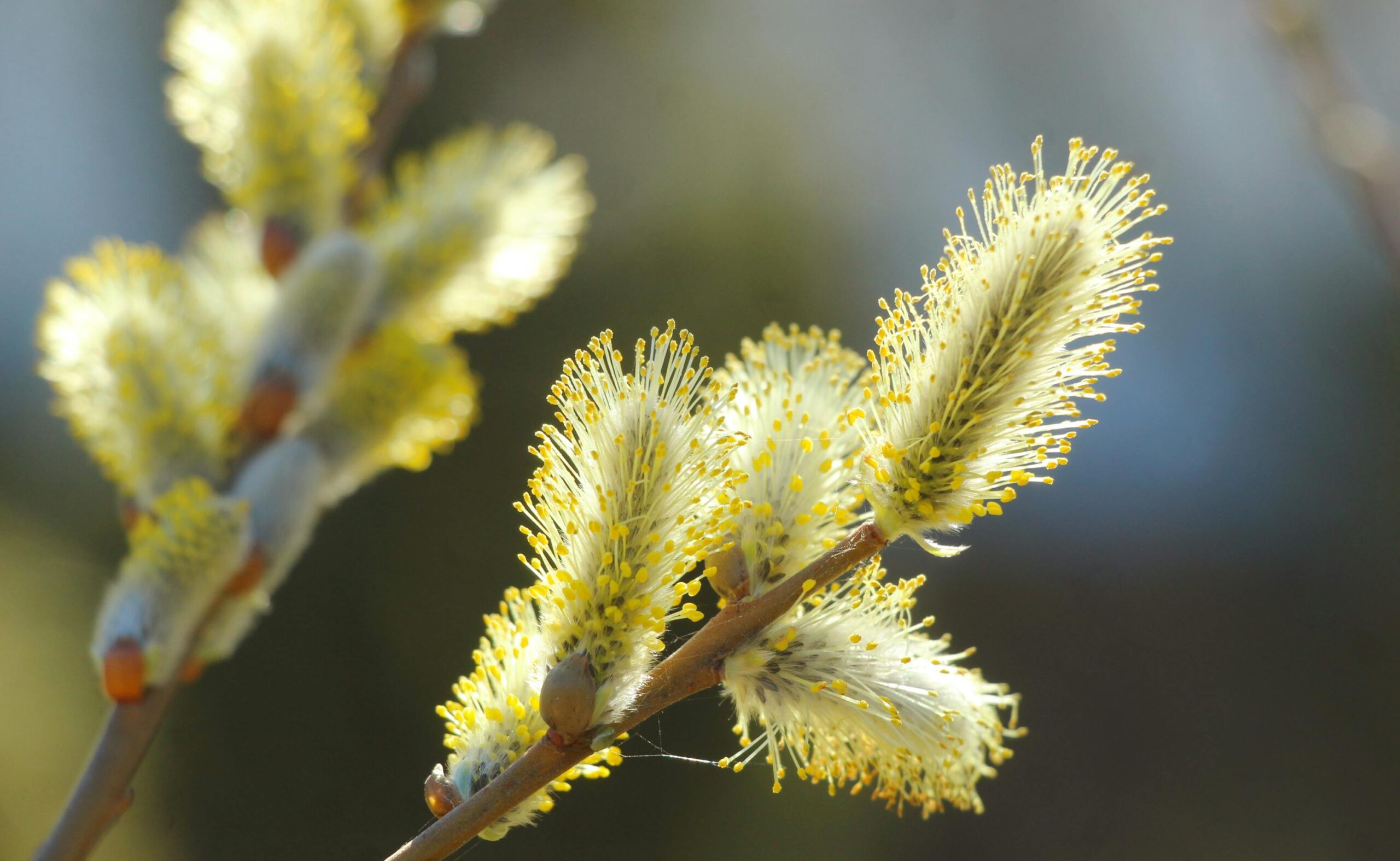
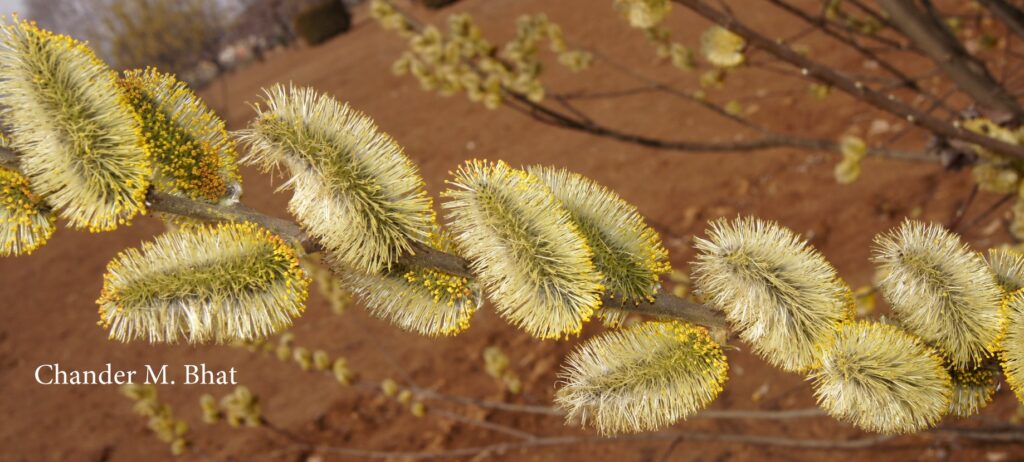
In our village Murran, the eve of Navreh carried a special magic. A soft, unspoken excitement would fill the air. As children, we could feel it even before it was spoken. Without being told, we would rush towards the sacred Brari Maej Shrine, our little feet running along those familiar paths that now exist only in memory. Behind the shrine, on the serene bank of the marshy land (Sar), stood the beloved Breaid Mushuk (pussy willow) tree, its soft catkins swaying gently, announcing the arrival of spring.
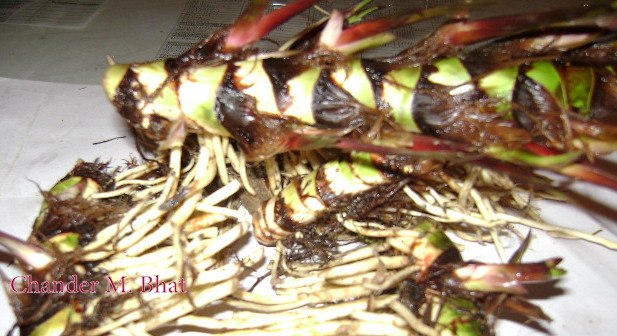
With innocent reverence, we would carefully pluck a small twig, holding it as if it were something divine. That little branch was not just a twig, it was our offering to the season of renewal, a sacred token for the “Navreh Thaal”. From there, our journey would take us further to the marshy fields of village Kangan, where we would wade through slush and mud to collect “Vaay Gandiur” (sweet flag). Our legs would sink deep into the cold earth, our clothes smeared with mud but none of it mattered. The joy was too pure, too innocent. That mud carried no discomfort; it carried belonging.
Back home, preparations for “Thaal Barun” would begin with deep devotion. The “Navreh Thaal” was not merely a plate, it was a universe in itself. Carefully arranged were rice symbolizing abundance, curd and milk for nourishment, a pen and inkpot for knowledge, a mirror for self-reflection, coins for prosperity, the sacred Nachpater (almanac), fresh flowers (Breaid Mushuk), sweet flag, blades of green grass, and one walnut for each member of the family. In the center rested the image of the Divine Mother, “Krul Pach”, watching over the household.
Each item had a voice, a prayer, a blessing.
Before dawn, in the stillness of that sacred hour, the “Buth Wuchun” ritual would begin. It was often the youngest daughter-in-law or a young girl, dressed in traditional attire, who would carry the Thaal from room to room. With sleepy eyes yet awakened hearts, each family member would behold the Thaal as their first sight of the year. It was believed that this first glimpse would shape the destiny of the coming year.
The flickering lamp, the fragrance of flowers, the silence of the early morning, it was as if time itself paused in reverence.
Holding a walnut from the Thaal, we would step out into the crisp morning air. The village, still wrapped in dawn’s softness, seemed to breathe with us. With quiet steps, families would walk towards the sacred springs and temples. The paths were known, yet every Navreh they felt new, blessed.
At the spring, after offering silent prayers, we would step into the icy waters. That bath was not just physical, it was a cleansing of the soul. The cold pierced the skin, yet it awakened something deeper within, a sense of purity, of surrender. After the bath, the walnut held in hand would be washed gently and then released into the flowing stream.
As it drifted away, it carried with it our fears, our worries, our unspoken prayers.
Standing with folded hands, we would seek blessings for the year ahead. The air would resonate with temple bells, sacred chants, and the heartfelt greetings of “Navreh Mubarak.” The narrow lanes of our village would echo with warmth, devotion, and a shared sense of belonging.
For us children, Navreh was also a day of quiet delight. Dressed in newly stitched clothes, often identical in fabric and design for each child in the family, we would move around with pride and excitement. And then came the moment we eagerly waited for … Navreh Kharach, a small token of money, but to us, it felt like a treasure beyond measure.
And then came the most awaited part … the Navreh picnic.
In our village, families would gather and move towards places like Village Deer Aareh (Roomesh) or Bal Kak Dharun Bagh in Rohmuh. Mothers would pack tiffins filled with rice, vegetables, pickles, and snacks, along with utensils and a kerosene stove. Under the shade of trees, embroidered sheets would be spread, turning the earth into a festive ground.
People sat in circles, sharing food and stories. Children played, ran, laughed. Young girls sang folk songs, their voices blending with the rustling leaves. After the meal, the aroma of Tsheer Chai (salt tea) brewing on the stove would fill the air, adding warmth to the cool spring afternoon.
Those were not just picnics, they were celebrations of life itself.
Navreh was a perfect harmony of devotion and joy, of ritual and celebration, of nature and culture. It was a day when the soul felt lighter, when hearts felt fuller, when life felt complete.
And today…
Though we are far from that land celebrating the same Navreh, though those paths no longer echo with our footsteps, Navreh in Kashmir still lives within us. In the quiet corners of memory, in the fragrance of spring, in the sight of a walnut, in the whisper of a prayer … it returns.
But it returns with a gentle ache.
A longing for those mornings, those voices, those shared moments. A longing for a home that now lives more in memory than in reality.
In Kashmir Navreh was not just a festival, it was our identity, our belonging, our way of life.
And even today, when one closes their eyes, they can still see the Thaal glowing in the dim light, hear the temple bells in the distance, and feel the cold water of the spring touching their feet.
And perhaps… just perhaps… a tear rolls down silently, carrying with it the memory of a Navreh (celebrated in Kashmir) that still breathes within the soul.
***





POST COMMENT