
Diwali Unveiled: Stories, Myths and Light Across the Globe

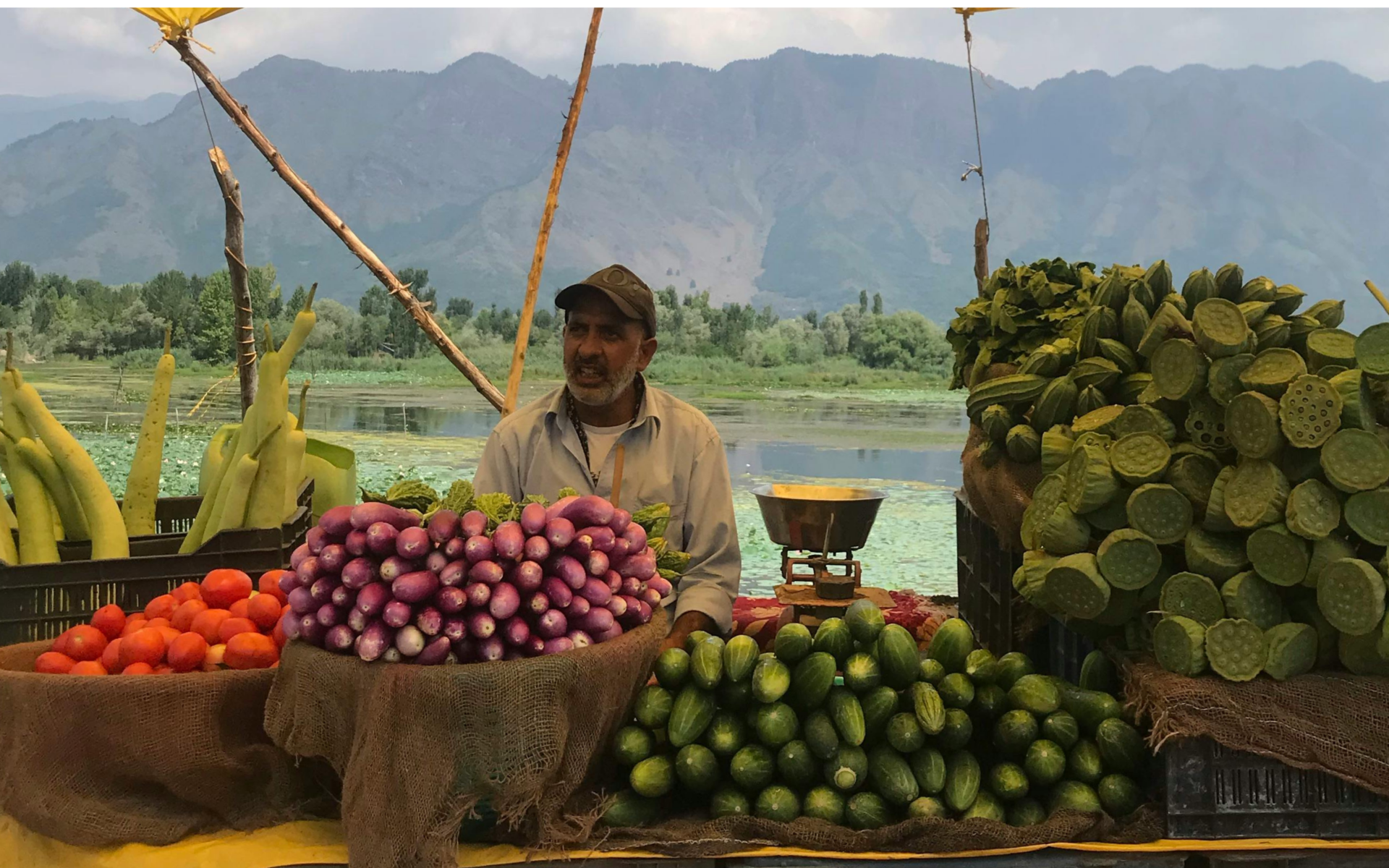
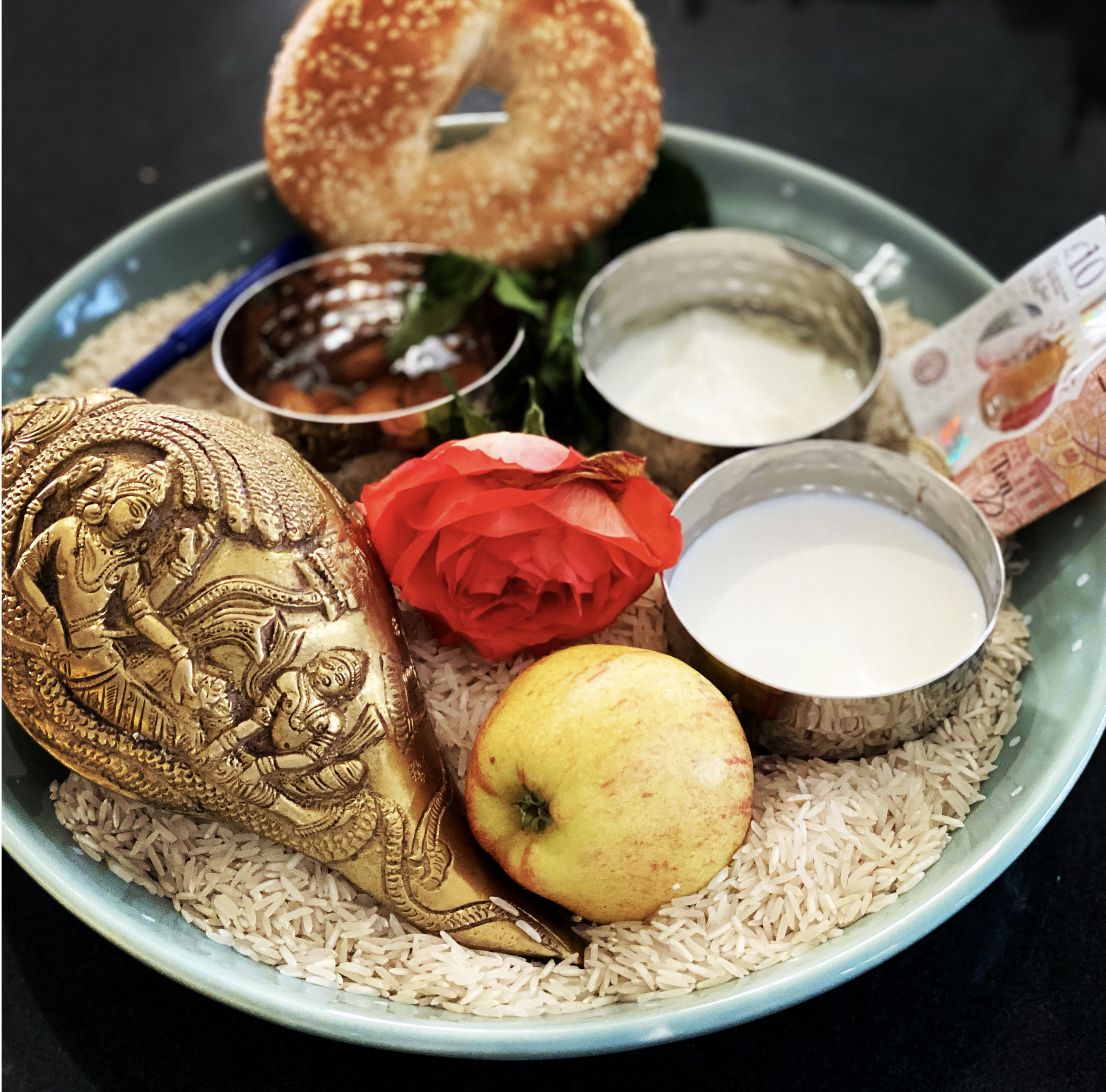
Growing up in Srinagar, Diwali wasn’t as grand an affair as Herath (Shivratri) but it still brings back beautiful memories of Satya deev Naveed (sweet puris), the Kashmiri term for prasad or blessed offerings, along with mithai, earthen lamps and above all, sparklers and fireworks. But when we moved out to Jammu, Delhi and beyond, lo and behold, Diwali was a whole new ball game.

Diwali is the festival where India collectively decides that one candle won’t cut it, you need a million. It’s a celebration where the sparkle of diyas, fireworks and downright enthusiasm could light up a black hole. Its name comes from Deepavali, derived from the Sanskrit words dīpa (lamp, light, lantern or knowledge) and āvalī (a row, range or series), which sets the mood perfectly for what is essentially the universe’s most dazzling block party.

The festival’s ancient origins stretch into early Sanskrit texts like the Padma Purana and Skanda Purana, with Emperor Harsha referencing Deepavali in the 7th century play Nagananda. Later, the Persian traveller Al-Biruni noted Deepavali festivities in his 11th century memoir, celebrating the new moon in Kartika. Born out of rich mythology, Diwali speaks to hope, renewal and the power of goodness, messages that continue to unite people of many faiths and backgrounds.


Rama’s Exile: Drama, Dharma and Deep Lessons

Diwali’s central narrative springs from the epic of Rama, embodying honour, loyalty and justice. The tale unfolds in Ayodhya, where Rama’s succession is halted by palace intrigue. His stepmother Kaikeyi, influenced by her maid Manthara, used two boons previously granted by King Dasharatha (Rama’s father), leading to a 14-year sojourn into forests with his wife Sita and brother Lakshmana.

During this exile, Sita was abducted by Ravana, the ten-headed demon king of Lanka, who ruled what is said to be modern-day Sri Lanka. Rama’s response wasn’t revenge, but a quest for courage and compassion.

With help from Hanuman, the monkey warrior and the vanara sena (monkey army) led by King Sugriva, bridges were built (literally and figuratively) and Sita was rescued from Ashoka Vatika. Rama’s triumphant return to Ayodhya, with lamps lighting his path, marks not only the overcoming of obstacles but the victory of goodness over evil.

Layers of Legacy: Regional Origins and Practices

Diwali weaves together stories from various corners of India. In the north, families welcome Rama home after exile with light-filled streets; even though the practice of lamp-lighting as a homecoming ritual emerges in later traditions, rather than ancient texts.

In southern India, the festival commemorates Krishna’s defeat of Narakasura and the liberating of 16,000 women, with rituals symbolising purification and freedom. The Bhagavata Purana highlights Satyabhama’s (Krishna’s consort) role alongside Krishna and regional celebrations stretch from Assam to Tamil Nadu featuring early-morning oil baths.

Across the west and much of India, Lakshmi Puja is the center of Diwali celebrations, praying for prosperity; the east focusses on Kali Puja, rooted in royal patronage and visions from Bengali saints, expressing both spiritual fierceness and maternal protection.

Gujarat marks the new financial year with Chopda Pujan after Diwali, linking fiscal ritual to mythic renewal.

The Lunar Logic

Diwali follows the Hindu lunisolar calendar, occurring on the darkest night (amavasya) of the Kartik month, usually in October or November. The festival spans five days, beginning with Dhanteras when devotees worship Goddess Lakshmi and Lord Dhanvantari. This day is auspicious for purchasing gold, silver or utensils, symbolising wealth and prosperity.

Next comes Naraka Chaturdashi or Choti Diwali (Small Diwali), celebrating Lord Krishna’s victory over Narakasura.

Lakshmi Puja on Amavasya (the new moon day), the main Diwali day, honours Goddess Lakshmi, Lord Ganesha and Lord Kuber, with homes decorated with diyas (earthen lamps), rangoli and lights.

Govardhan Puja follows, remembering Lord Krishna lifting Mount Govardhan to protect Gokul from torrential rains.

The festival closes with Bhai Dooj, celebrating the sibling bond.

The Glow Across Borders: Diwali Around the World

Diwali spirit has travelled far beyond India. It is an official public holiday in many countries and widely celebrated.

In Nepal, Diwali transforms into Tihar, blending Hindu and Buddhist customs. Tamil communities in Sri Lanka light lamps and prepare sweets, Mauritius shines with island-wide festivities and Singapore’s Little India dazzles with performances and ornate decorations. Malaysia, Fiji, the United States and the UK celebrate with their unique local flavours, while holding true to Diwali’s central promise: connection, renewal and shared celebration.

Wisdom Woven in Ritual: The Subtext

Diwali holds deep philosophical roots. The Skanda Purana says a single diya can grant liberation, as told in the story of Indumati and the mouse. The Padma Purana links Diwali’s milestones to cosmic events, with themes of abundance and devotion underscored by the emergence of Lakshmi during Samudra Manthan and her union with Vishnu.

A Million Flames, One Truth

Diwali endures because its stories, whether Rama’s homecoming, Krishna’s triumph, or Lakshmi’s emergence, reflect universal truths of hope and perseverance. Lighting lamps is less about conquering darkness and more about recognising the persistent spark of belief within each heart. From Ayodhya’s ancient lanes to London’s bustling squares, Diwali continues to illuminate homes and the pathways of imagination and hope.

Dr. Sheetal Raina is the founder and editor of ISBUND, an immersive platform dedicated to preserving and celebrating Kashmiri culture. Deeply connected to the heritage and traditions of Kashmir, she brings a distinctive voice to cultural discourse - blending academic insight with heartfelt commitment to her roots.

1 Comment

  • Moksha

    What a beautiful article! 🌟 Your piece “Diwali Unveiled: Stories, Myths and Light Across the Globe” captured the spirit of Diwali so wonderfully the rich tapestry of stories, the regional traditions, and the global reach all came alive. The way you wove together Rama’s return, the lamps in early mornings, the sweep of lights and hope across continents, absolutely inspiring. It’s a timely reminder that this festival is more than fireworks and sweets: it’s about renewal, light in the darkness, and the shared joy of coming together. Thank you for writing this, I learned so much and felt the warmth of the festival through your w

POST COMMENT

Your email address will not be published. Required fields are marked *