Deepawali Reflections: A Festival of Light, Love and Longing

Deepawali Reflections: A Festival of Light, Love and Longing

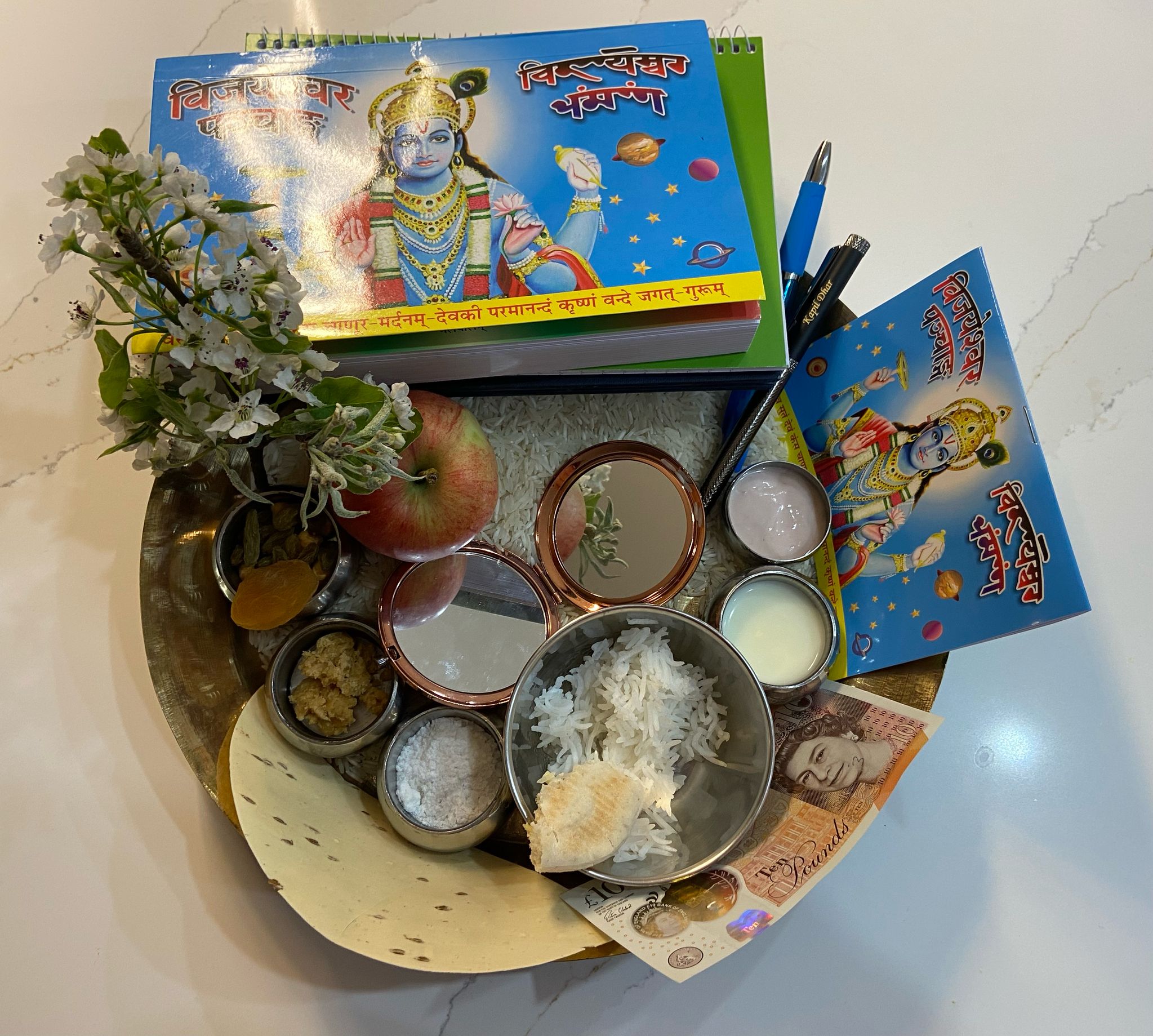
This year’s Deepawali unfolded like a beautifully woven tapestry of threads of light, laughter, remembrance and silent prayer entwined together in one glowing moment of family and faith.

It wasn’t just another celebration; rather, it was a return to the essence of who we are: a family that has lived hard through loss, exile and hope yet bravely continues to celebrate life with gratitude and grace.

A Journey Before the Festival

The Call of the Hills…

A tour to Sudh Mahadev and Patnitop Jammu….

Just before the festival lights flickered to life, our family — Papu ji, Balni, Jyoti, Vasudha, Sanchit, Munny, Sunny and myself, Bittu ji (Rajender Koul) — set out on a short, refreshing trip to the peaceful heights of Patnitop enroute to Sudh Mahadev.

It felt like the mountains themselves had invited us for a moment of ineffable stillness before the joyous storm of Deepawali.

The road wound through pine forests and open skies, each turn echoing with laughter, old songs and gentle teasing.

Again, the Same young Sardar Ji, Soft spoken and gentle, with a Jewish look, the driver from Gajansoo Marh, village Jammu, took all eight of us in his Innova cab, which we hired for two days.

After having left early at eight in the morning from our residence in Talab Tilloo, Jammu there was something more rejuvenating in simply being together, generations sharing the same warmth, the same jokes, the same feeling of home, though far from the land where our roots first grew.

On the way to Sudh Mahadev, we first arrived at the Gauri Kund at ten in the morning. This pilgrimage, which we took to Gauri Kund, Sudh Mahadev and Mantalai — holy places that filled our hearts with devotion and peace, was a repeat for me and Jyoti, as in the Year 2024 we had gone there along with Hunny and Rishika.

Now, as we all stood before Lord Shiva, the mountain wind touching our faces, it felt as though time had paused to remind us that divinity often hides in the silence between our breaths.

The small pointed, cave-like kund at Gauri Kund was really exciting. Again, we all had the Darshan inside except our daughter Vasudha who did not go inside.

We had langar prashad at Gauri Kund, enjoyed with all blessings of Mata Parvati.

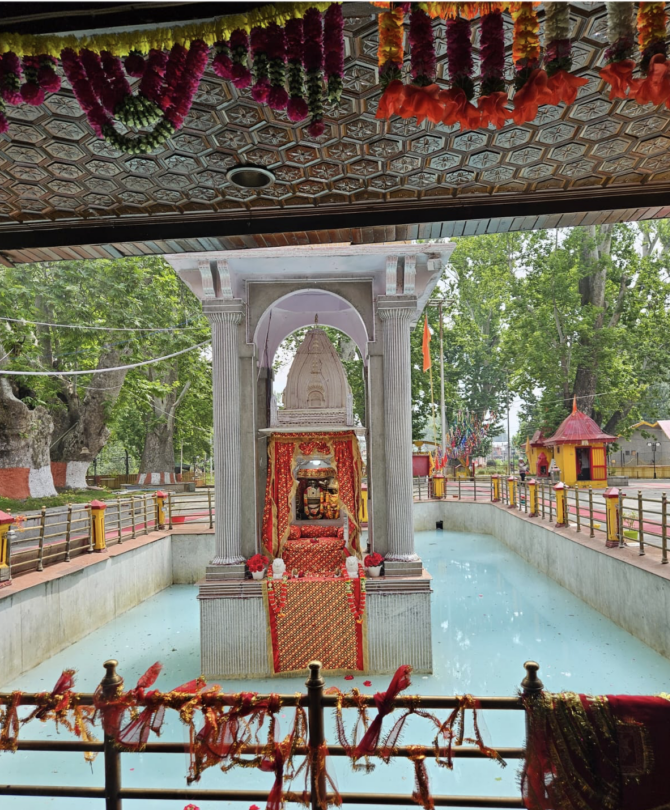
Gauri Kund’s historical significance is tied to the legend of Goddess Parvati meditating and bathing there before worshipping Lord Shiva at the nearby Sudh Mahadev temple.

According to local tradition, this is where Parvati performed penance to win Shiva’s love and later bathed in the natural spring before her worship.

The site is believed to be sacred and part of the broader pilgrimage circuit in the region.

Parvati’s worship

Legend states that Goddess Parvati would bathe at the Gauri Kund spring before performing her worship at the Sudh Mahadev temple, located just a short distance away. 

Meditation and penance

It is also believed that the cave above the Kund was where Parvati meditated in her quest to win Lord Shiva’s love. 

Sacred spring

The kund is a natural spring and is considered a sacred site for pilgrims who visit the Sudh Mahadev area. 

Pilgrimage route

Gauri Kund is considered an important stop on the pilgrimage route, sometimes mentioned in relation to other major pilgrimage sites. 

Natural features

The area around Gauri Kund is known for its natural beauty, with a cave temple above the spring that features idols of Shiva and Parvati and a naturally formed Ganesh figure on a rock. 

After leaving the holy Gauri Kund, we reached Sudh Mahadev within ten minutes and had darshan of the Shiv temple there. This highly revered Shiva temple is located at a distance of 42 Kilometres from Patnitop and 112 Kilometres from Jammu. Legend has it that after bathing at a spring, Gauri Kund, just short of Sudh Mahadev, the Goddess Parvati would worship the Shivling here that is believed to be at least 3,000 years old.

After that, we went to Mantalai famous for Meditation. An international Yoga centre is located there, with the following background:

As the legend goes, Parvati worshipped Lord Shiva from her childhood and pleased with her dedication and worship, Shiva accepted her marriage proposal. The marriage took place in Mantalai, where the present pond is said to have filled with water once its utility as the Homa Kund for the marriage ceremony was over.

We spent an hour in Mantalai, in the green forest and could see the yoga center centrally located amid the lush greenery and scenic beauty at its peak.

Then we drove direct to Patnitop via Kud, yet another picturesque spot.

We enjoyed our lunch in the airplane restaurant at Tamatter morh, Kud, really enjoyed mixed veg Noodles, masala dosa and tea etc.

A Small airplane is stationed there and tourists enjoy the beauty inside.

With seating tables and chairs inside, food can be served inside the plane too, but we preferred to have it in the open lawn near the plane.

We took a video of inside the aircraft seated on the pilot’s seat in the cabin took, recorded audio and videos for fun and enjoyment.

Later, we drove to our hotel at Patnitop.

We spent the night in the quiet embrace of the hills in the much-talked-about beautiful Patnitop, in the hotel we had booked for our night stay there. We had our dinner in the hotel as well.

The morning mist welcomed us with its chill, the smell of pine mixed with tea brewing in the distance and the melody of birds offered nature’s own prayer for a new dawn.

Gandola ride at Patnitop

The highlight for the children; Sanchit, Munny, Sunny and Vasudha — was undoubtedly the Gondola ride at Patnitop.

For twenty thrilling minutes, we all floated over green valleys, our laughter carried by the cold mountain air.

The excitement was infectious, a blend of adventure and childlike wonder. But in that glass cabin, Munny sat quietly, his eyes distant, thoughtful. He didn’t say much; his silence spoke of something deeper. Perhaps he was looking beyond the pine forests — into the valleys of memory, into the cliffs of thought. There was a calm strength about him that reminded me of the quiet resilience our family has carried through the years.

Nearby, the newly developed, charming amusement park glowed with activity: rides, flower gardens, cozy cafés and a charming Kashmir crafts shop that tugged at the strings of Passion and nostalgia.

We spent an hour and a half in the wandering, smiling and taking best pictures — moments that will return to us in winters and evenings to come, when memory seeks warmth.

Then, up from Patnitop, 14 kilometres came “Natha Top ” where the world seemed to vanish beneath a sea of clouds and finally the still waters of Sanasar Lake, shimmering like a mirror reflecting both heaven and memory.

Horse riding was most exciting for children, even Papu Ji enjoyed it.

Munny and Vasudha dressed in traditional hilly attire, provided by the photographer there. Amazingly, both looked wonderful in the two photos the photographer took, and the photos were handed over to them.

Homecoming to Vishal Nagar: A House That Holds History

We returned home to Vishal Nagar, Talab Tillo, Jammu, on the eve of Deepawali.

This was not just a home — it was a sanctuary, a place that has sheltered us for twenty-eight years since that dark winter of 1990, when we were forced to flee our homeland.

We, the exiled Kashmiri Pandits, had left behind our temples, our orchards and our ancestral houses — the echoes of our laughter in the courtyards of Srinagar, the fragrance of kahwa and burnt mustard oil lamps on winter nights.

We had arrived in Jammu with little more than memory and hope. But over the years, through the grace of God and the strength of family, we stitched together a new life — humble, yet sacred.

This home in Vishal Nagar became our little Kashmir in exile — its walls witnessing our festivals, its kitchen reviving the aroma of our traditional nadru yakhni, roth and paneer haakh and its rooms echoing with the laughter of our growing children.

The Day of Lights — Deepawali at Home….

The next morning, Deepawali began with devotion and renewed energy. The house shone in brightness — diyas flickering at every window, rangolis blooming on the floor and the sweet aroma of halwa, sugar candy and incense filling the air.

The most beautiful moment came when our little daughter Vasudha, with her innocent hands and radiant smile, made her first rangoli.

She poured colours gently, as though painting her dreams onto the earth — a sight that filled our hearts with pride and tenderness.

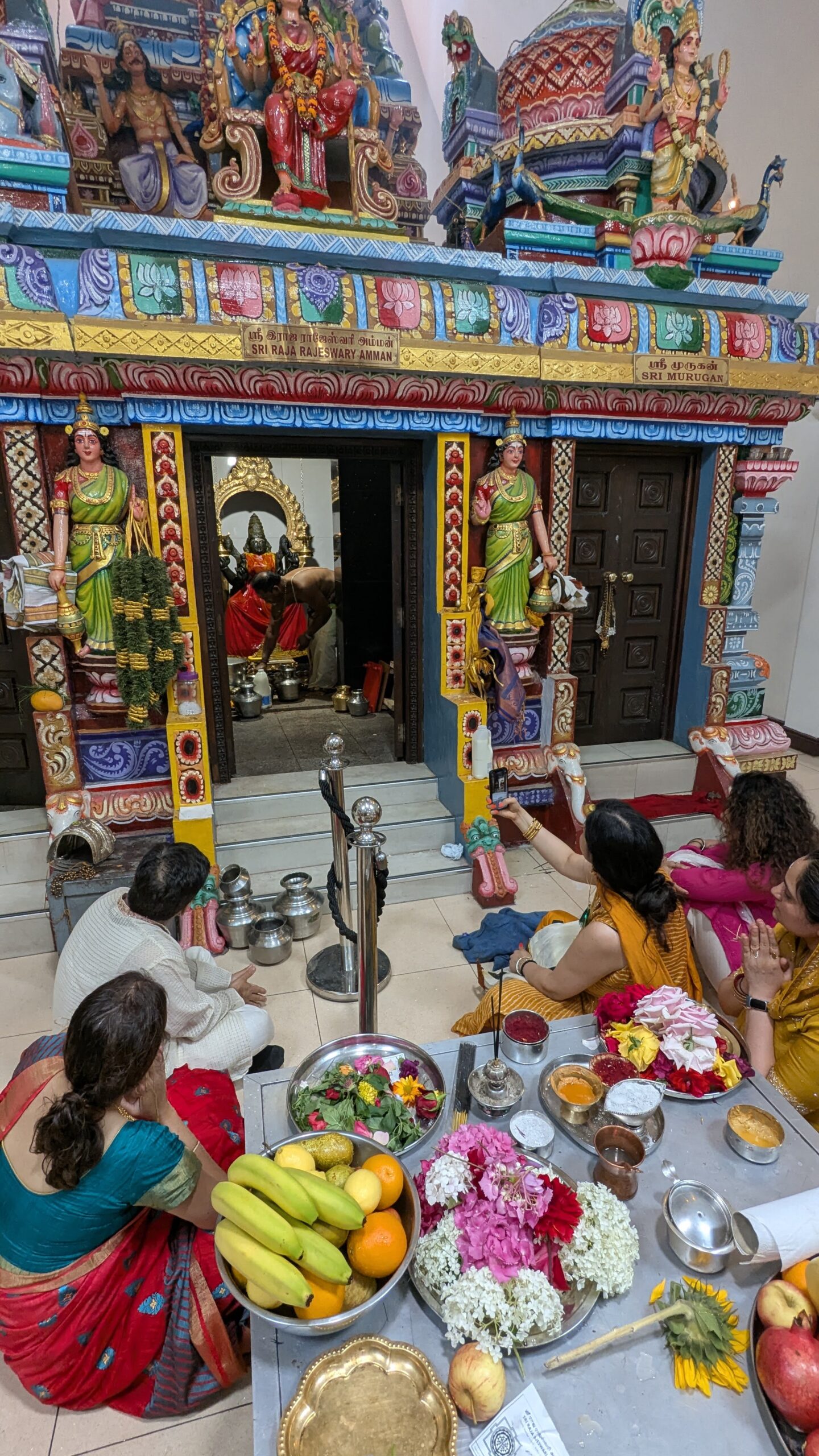
During Lakshmi Puja, we bowed together, thanking the Divine Mother not just for prosperity, but for the strength to endure, for keeping our family united through decades of displacement and for allowing love to grow even in the soil of longing.

As evening fell, the courtyard came alive. Sanchit, Munny, Sunny and Vasudha ran about with sursuris (sparklers), phuljhadis and small firecrackers.

Their laughter sparkled against the night sky, their eyes reflecting the flame of joy and for a moment, time blurred.

We saw in them the reflections of our younger selves — back in Srinagar, in the courtyards of Rainawari, Nai Sadak, Barbar Shah and Habba Kadal, where cousins gathered, lamps lined the verandas and the songs of Diwali echoed through the mountains.

Those memories returned like a whisper — of mothers decorating windows with clay lamps, fathers chanting shlokas and children running barefoot with sparklers in hand, their hearts unburdened and bright.

The Missing Voices — Love Across Distance

Yet, amid all the cheer, there was a gentle ache of absence.

We deeply missed our beloved dearest daughters, Nibidita, Rishika and Hunny; whose laughter and warmth complete our home.

We also missed Bhaiya and Nancy too, whose presence always brings us blessings and lightness to our hearts.

Though miles separated us, technology bridged the distance.

Through video calls, we exchanged smiles, greetings and blessings.

Their faces on the screen lit up our hearts; their voices, filled with affection, became part of our Diwali aarti.

Still, the emptiness lingered — a soft yearning that only physical closeness can heal.

A Prayer for Homecoming

As the night drew on and the last lamps flickered softly, I stood silently at the door, looking at our glowing home.

The lights, the laughter, the memories stitched together like pearls of faith.

And I whispered a prayer….

O Bhagwan Ji, my Lord, preserve the sanctity of our home, the strength of our family and the values that have held us through exile and time.

Let our children remember who they are and where they come from. And may the day come when we return to our sacred Kashmir; to rebuild, to replant, to relive the life that was once ours and still breathes within our memories.


The Eternal Flame

This year’s Deepawali was not just a festival of lights — it was a testimony to endurance, love and belonging.

It reminded us that though exile may have taken us away from our own homeland, it could never take Kashmir out of our hearts.

Our traditions continue to burn brightly, like the flame of our heritage will never fade.

And each Deepawali, wherever we are, will remain a bridge between what we lost, what we built and what we still dream to reclaim — our home, our Kashmir, our light eternal.

Rajender Koul, a resident of Talab Tillo, Jammu, is a retired officer from the State Bank of India. After decades of his first innings and very dedicated service in the banking sector, he now enjoys his second innings in the quiet rhythms of retired life. A keen observer of people and the world around him, Rajender Koul, has turned to writing as a way to reflect, create and reconnect with life’s deeper meanings. He spends his leisure time crafting short stories and capturing memories, experiences and moments that often go unnoticed in the everyday hustle. Through his thoughtful storytelling, he seeks to preserve personal and collective journeys of spiritual growth, humane love, loss, resilience and hope. Prayers and blessings a support to the world of ours we live. Jai Bhagwan ji

POST COMMENT

Your email address will not be published. Required fields are marked *