I often wonder when exactly the thread snapped. Brothers went away from their brothers, sisters from their sisters, fathers from their fathers, and everyone else from everyone else. It took me years to realise that the people I had been closely associated with had gone to different nations spread across various constellations.
Which moment, which year, which hurried decision in the chaos of survival quietly loosened the knot that once tied us so firmly to the place we called home. Srinagar was home to many of us, Anantnag to many more, Kupwara to some, and Baramulla to many more. All converged at one or at several other places within and outside of India. Maybe the thread frayed slowly – very much like the naerwon, the scared thread we wore on our wrists, or like the woollen pheran my mother folded away the year we left – until one day there was nothing left to hold.
Growing up, I believed distance was a matter of geography. I thought that if we could just go back – cross that one mountain pass known as Pir Panjal to all but Panchala deva to only a few, and not even those few among us – return to that one lane, open that one old creaking wooden door of Draebyaar – we would find life exactly where we had left it. But life is not a room you can return to after years of absence. Life shifts. People shift. Even memories shift, blending truth with the ache of longing.
And so here we are today – spread across continents, filling forms that ask for nationality, permanent address, zip code, time zone – yet struggling to answer the only question that truly matters: Where is home now? We have now made many homes; but still carry in our hearts the one that no more exists. Or maybe it does. Or does not.
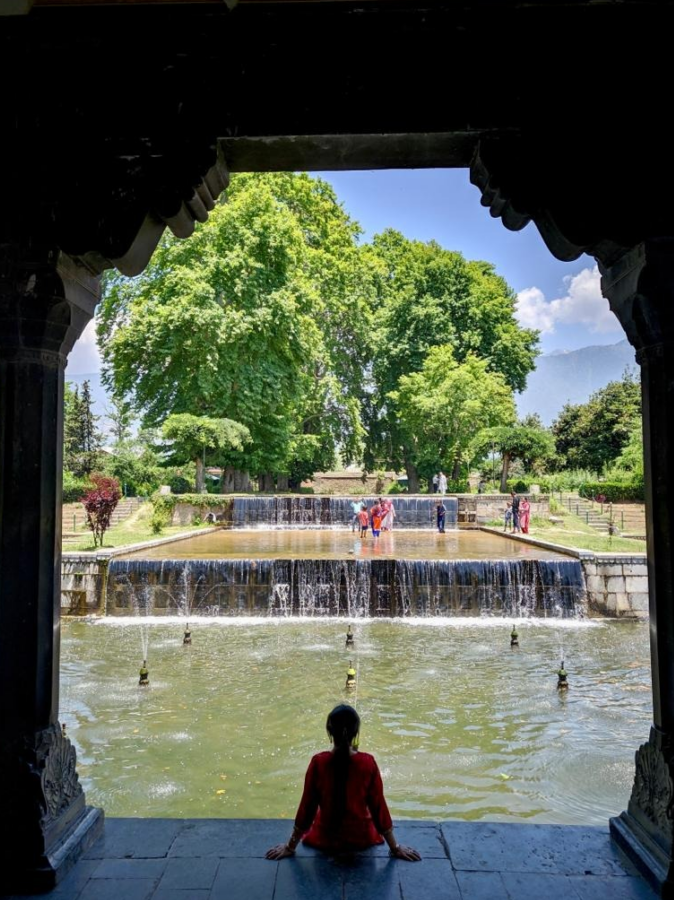
For those of us who once lived in the valley, home was not just a physical location. It was a soundscape – the river carrying secrets at night, the temple bells echoing across village orchards, the distant hum of a kangri warming someone’s lap. Or someone notoriously known for spilling its ash and burning that old mattress from grandmother’s time treated as a prized heirloom. It was the fragrance of noon chai brewing in a modest kitchen that comforted modest people. There was no ostentation. There was only simplicity, and that simplicity carried the character of each home. It was laughter that could travel through thin winter air and still reach your ears. The laughter was music – no musician would ever be able to compose for us.
When we left, we didn’t carry home with us. We carried fragments– small, uneven, and scattered. Some of us hid them in suitcases wrapped in old shawls. Others buried them deep in their hearts, afraid that speaking of them would reopen wounds that had barely begun to heal.
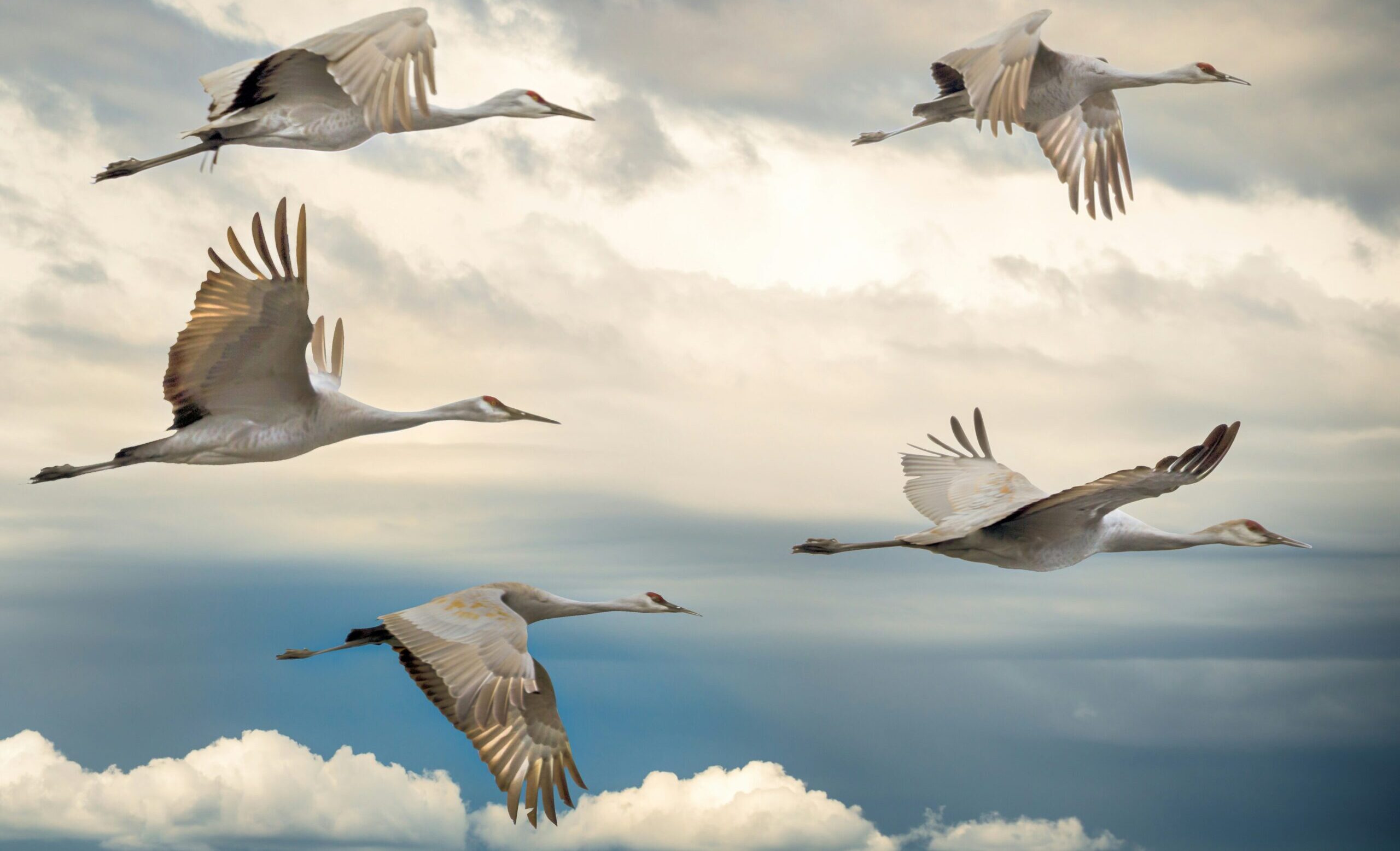
And slowly, as years turned into decades, the diaspora grew. A global constellation of exiles.
We studied, worked, raised families, bought houses, planted gardens, paid taxes, learned new languages, and even became fluent in the art of pretending we belonged wherever we were. The maple in the front yard growing golden towards autumn became a sight to behold, where the real sight of a hundred Chinars back home became memories. But inside us, a quiet dislocation continued – unseen, unspoken. It still is that way. It will always remain so. That is our destiny; until our next and next to next generation begins to feel as much disconnect with this longing of ours, and maybe to us too. For them, we would, maybe, appear as archaic. We are already no men.
But still, and as long as this generation breathes, sometimes – no, not sometimes, nearly always – home does, and it will reveal itself in the simplest moments. A snowflake brushing against your cheek in Boston or Birmingham, and suddenly you are seven years old again, running through the courtyard of a house that no longer stands for you. You are almost in Srinagar, Anantnag, Kupwara, Baramulla, and everywhere else.
A piece of music – just a hint of the tumbakhnaer – and your eyes sting before you can explain why. A festival you celebrate in a hurried, improvised manner, because the people who taught you its meaning are no longer around. They are gone. And with them took away the culture that tied us to our home.
Then sometimes it reveals itself more painfully – when your children, born far away, ask you what your real home looked like, and you struggle to describe something that now lives only in memory. Wish memory could be like a Polaroid camera.
We are the disconnected diaspora – not because we chose it, but because history handed us a separation so abrupt, so unforgiving, that even time has been unable to stitch it back together.
Yet, strangely, despite the distance, despite the years, despite the lost houses and forgotten lanes, something continues to bind us. Maybe it is grief. Maybe it is memory. Maybe it is the stubborn love for a homeland that refused to love us back. Or maybe it loved us back, but it didn’t have wings to fly and come to us, or legs to crawl ahead. Or maybe it is simply the longing to belong – an ache that travels with us no matter where we go. The only thankfulness to God is that can now we go everywhere. Except home.
Every community builds identity through continuity. Ours builds it through absence. Every community builds belonging through place. Ours builds it through longing. Every community tells stories of survival. Ours tells stories of survival and return, even when return is no longer possible. Or maybe it is very much possible, but we are now in an impossible situation to return.
Irrespective of what we speak and what we feel, the constant that stays is that we are now disconnected. But perhaps that is what makes us unique. Unique? I don’t think so. Uniqueness does not return you the moorings that you have lost, and the culture that was truly unique.
We live with a wound and a map – both invisible to others, both etched into us. It is a deep, very deep wound. But somewhere, in the overlap of what we lost and what we still remember, a new kind of belonging is taking shape.
Maybe the diaspora is not disconnected after all. Or is my assertion wrong, since I have known many of them through social media, and not in person, except my own near and dear ones who have travelled elsewhere? Is it that we are simply learning how to stay connected in the only way we now can – through stories, memories, and the quiet promise that even when home is taken from us, we do not stop searching for it in everything we do?







POST COMMENT