My parents and grandparents were from Kashmir, as was the rest of my family. Though I was born in Delhi, years after my great-grandmother passed away in Jammu, the Valley was always present in our lives; woven into stories, silences and sighs. My grandfather often spoke of returning his mother to the home they had left behind, but she never saw it again.
I sensed the ache of that unfulfilled wish most clearly in his voice whenever he spoke of Kashmir, especially of Habba Kadal. Every lane, every landmark lived in his heart like a hidden treasure. Not the kind measured in wealth, but in memory; fragile, priceless and fiercely guarded.
I never knew the house they once called home, the streets they walked, or the scent of spring in their gardens. All I had were their stories, photographs yellowed with time and the quiet longing that drifted through my childhood like a shadow.
Growing up, Kashmir was both everywhere and nowhere. It echoed in my father’s sighs, shimmered in my mother’s hushed tears, lingered in the songs and festivals my parents insisted I learn. Yet for me, it was only a place on a map, a collection of images and memories that weren’t mine to claim. Childhood became an endless series of questions about a life forever out of reach.
Nearly a decade ago, I set foot in Kashmir for the first time. I didn’t arrive as someone reclaiming a home, but simply as a visitor. Flying into Srinagar, my chest tightened as the mountains rose like guardians, Dal Lake shimmered under the autumn sun and the chinar trees burned red and gold. Everything was breathtaking—yet none of it felt like mine.
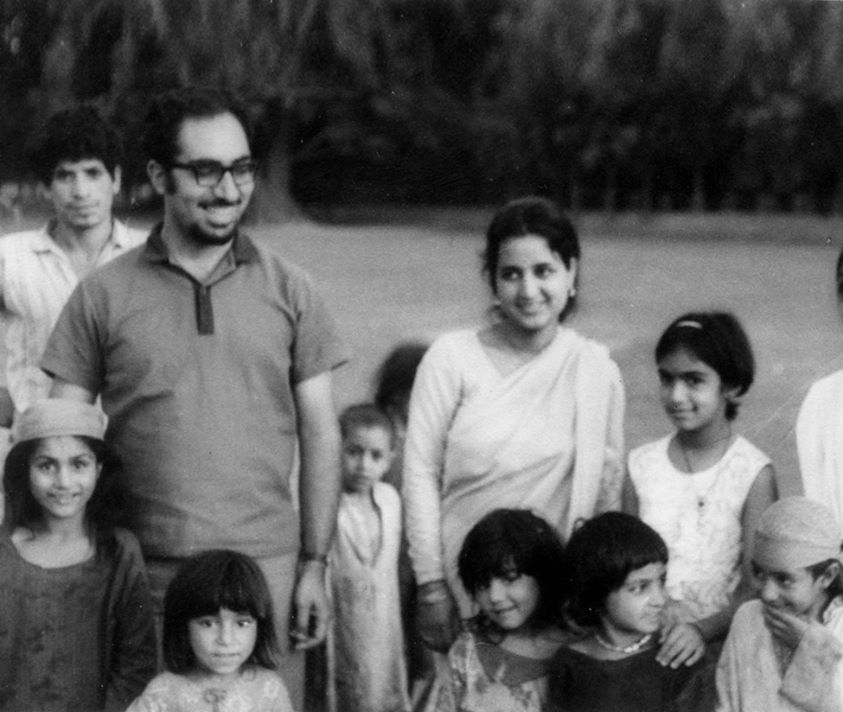
I longed to see the house that had lived so vividly in family stories, but by the time we returned, it no longer stood. Burned down years earlier after our family fled. My father, not wanting to disappoint us, quietly steered us away from searching. He knew that even if we found it, what remained would belong to someone else. The black-and-white tiled porch I had imagined was safer in memory and in faded photographs, Baisahab standing tall in his pyjamas, my grandfather already towering over his sibling—than in the cruel reality of absence.
Instead, I wandered through familiar-yet-unfamiliar streets, visited the temple my parents had described and climbed the hills they had roamed as children. The beauty of Kashmir clashed constantly with the pain of exile. I laughed at the scenery, took photographs, yet each step reminded me of what had been lost: a home, a history, a sense of belonging.
At night, I wrote in my journal. Not about landscapes, but about loss, memory and resilience. Though I was born long after the exile, I felt it in my bones: the quiet strength to endure, the weight of longing, the pride in roots that ran deep even in distance.
Leaving Kashmir was bittersweet. I wanted to stay, but I couldn’t. As I walked away, I whispered softly, “I see you. I remember you. And I carry you within me.”






Satish Sumbly
Dear Karthik,
Your article on Kashmir is absolutely heartwarming. The way you captured the deep, ancestral connection to the land, where your forefathers once lived, is truly inspiring. It’s a remarkable testament to your love for the region, despite the circumstances that led our family to leave. How fortunate it would have been if we all had been there during your childhood, experiencing that unique and rich life together. Keep shining and sharing your heartfelt connections!