
Seeds of Spirituality And Oneness That Got Scattered

After exchanging cordialities with my younger brother, whom I cradled like my own son, memories began to flow. Those golden days of a golden era when we visited the sacred temples of Kashmir. I cannot help but mention the Lord Ganesha temple at Ganpatyar on the banks of the river Vitasta where every morning and evening, the sacred “Arti” was conducted and hymns were sung in praise of Lord Ganesha. Devotees carried those divine vibrations back home.

We recalled the sacred Raghunath Mandir situated on the banks of river Vitasta that we often visited. This magnificent temple was surrounded by chinar trees. While entering the temple, we always felt divinity flowing all around us, as if all the Gods and Goddesses had descended from heaven—stillness and serenity in abundance. We used to play under the boughs of the chinar trees, so soothing and so refreshing, taking a bouquet of divinity home with us.

The great Shankaracharya temple, a sacred Hindu site dedicated to Lord Shiva was situated atop Shankaracharya hill. One of the oldest shrines in North India, intertwined with Adi Shankaracharya, the eighth century philosopher saint who meditated at the site.

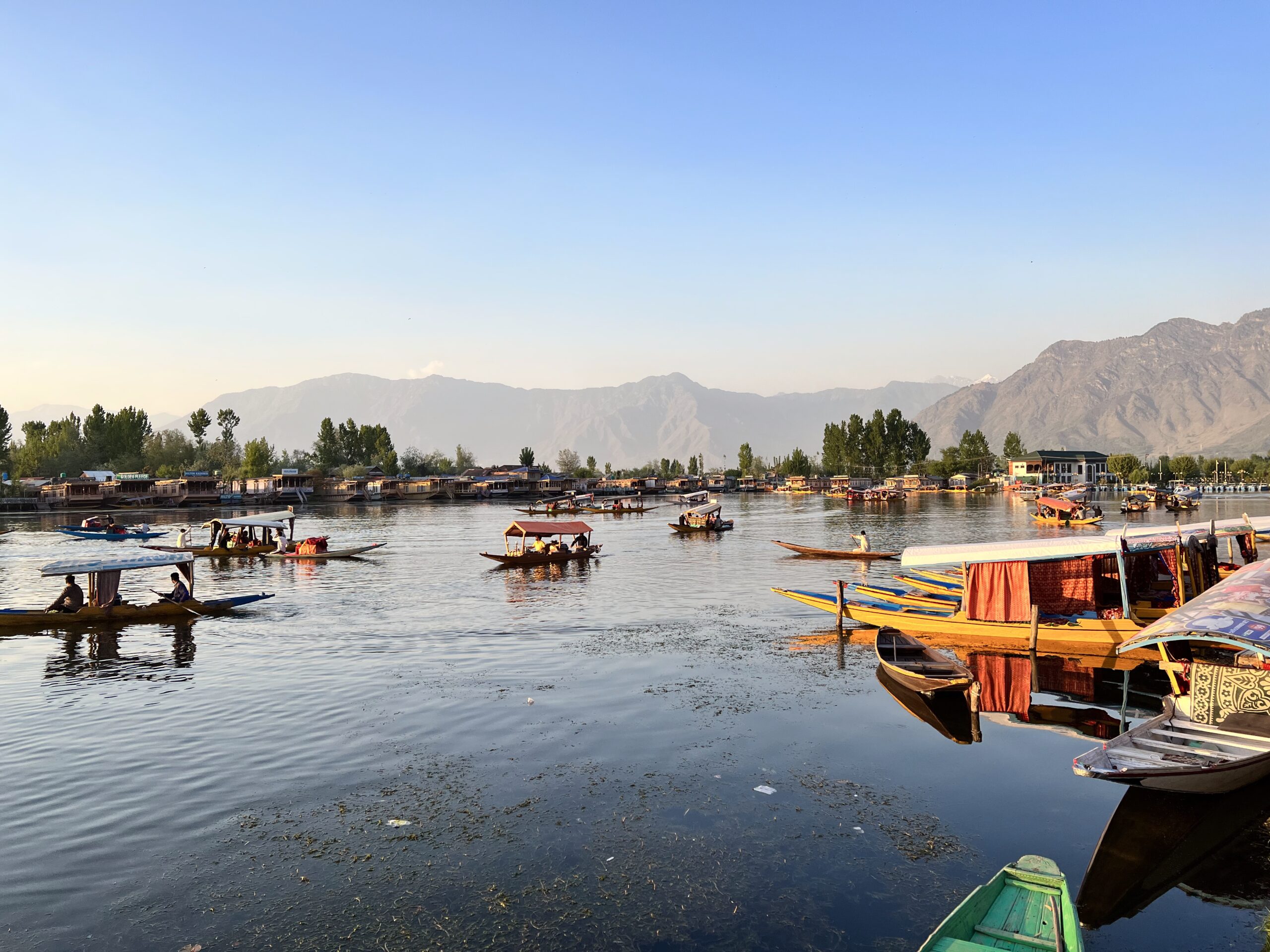
From the temple, we enjoyed the panoramic views of Dal Lake and Srinagar, feeling joyous and elated. The temple witnessed grand celebrations, especially during Maha Shivratri, a festival dedicated to Lord Shiva. We used to go to temple offering our prayers and seeking blessings. Equally important was welcoming Amarnath Yatra pilgrims at the foothills near Durga Nath temple, where they often sought blessings before embarking on their journey to the sacred Amarnath cave.

During our conversation, my brother shared some beautiful words that made me pause and reflect:

“We Kashmiri Pandit community… we are not ordinary people. We are the seeds of spirituality and oneness. Nature has preserved us, kept us alive, kept us safe.”

It may sound strange, but beyond doubt we are spiritual seeds, great intellectuals deeply embedded in saintly tradition. The mass exodus of 1990 forced us to leave, thrown away, on the verge of being killed and wiped out of civilisation.

But God had different plans for us.

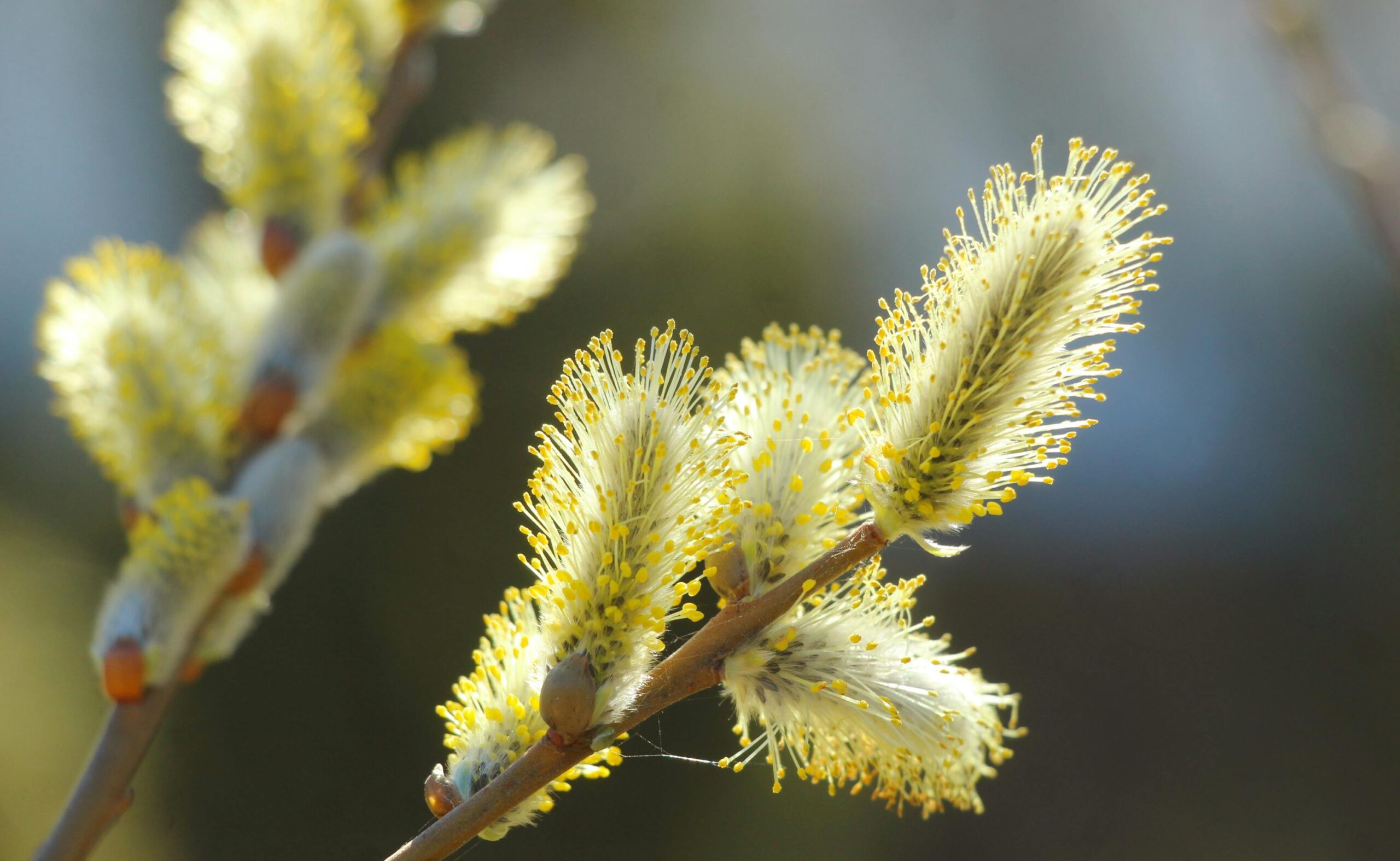
Nature wanted us to get scattered across different lands, so that these seeds would carry all goodness and oneness across the globe besides enriching their own beloved country. Nature, as a rescuer and benefactor, worked towards preserving and protecting us for future generations.

We were sown in new soils, slowly and steadily, we sprouted. We bloomed, even under adverse conditions, once again as saints and sages– harbouring no vengeance, no remorse, only love and compassion for all.

Our winters are gone now—those frozen icicles replaced by springs of divinity, oozing with the fragrance of love, brotherhood and universal well-being. Amid sorrow, we found sweetness; through new births, we helped create a beautifully awakened Earth.

We have travelled from the horizons to the zenith, carrying the seeds of spirituality and oneness wherever we go.

Nancy Goja is a passionate writer, poet and retired English teacher originally from Srinagar, Kashmir. With family roots extending to Anantnag and currently based in Greater Noida, Uttar Pradesh, she brings a rich cultural perspective to her creative work. Educated at the University of Kashmir and Himachal Pradesh University, Nancy dedicated her professional life to teaching English and nurturing a love for language and literature. Now retired, she devotes her time to her many creative pursuits, including reading, writing, painting and calligraphy. Deeply inspired by her heritage and surroundings, Nancy writes compelling short stories and heartfelt poetry in English, Hindi and Kashmiri. Her literary contributions are regularly featured in Koshur Samachar, Delhi—a highly esteemed trilingual magazine of the Kashmiri community. Nancy's work echoes a deep connection to her roots, a love for languages and an enduring commitment to storytelling.

1 Comment

  • Asheesh

    Your words flow like the brushstrokes of a master painter, each carefully chosen phrase adding depth, texture, and light to a living canvas. You have painted Kashmir not just as a place, but as a feeling, a tapestry woven with longing, nostalgia, and the fragrance of our lost homeland. Every image, from the chinar trees to the sacred temples, carries the warmth of memory and the ache of separation, yet also the quiet strength of roots that refuse to die. It is a portrait of a people and a place, captured in language so vivid that the reader can almost hear the hymns, feel the crisp mountain air, and walk again under those familiar skies.

POST COMMENT

Your email address will not be published. Required fields are marked *