
Faith in Flour, Memory in Ghee

In my memory, Pann Puza is impossibly large. It was never just a festival but a precise and demanding enterprise, the sort of undertaking that required foresight. My mother approached it like a General preparing for battle, her lists drafted with military gravity; flour (five pavs, because that was the reeth, though she always added ‘two extra lots’ for sharing naveed), sugar, ghee and most crucial of all, the vessels.

The vessels lived in the kani, the attic. All year they slumbered in the shadows until they were summoned: brought down, scrubbed, polished to a glea and readied for their one true purpose.

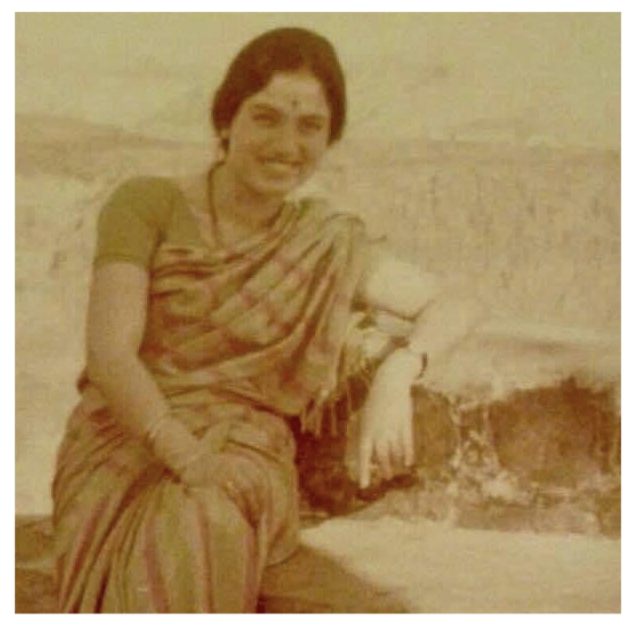
On the morning of Vinayak Chorum (give or take a day, depending on saath), my mother was awake before the sparrows dared stir. As a child, I often suspected, that the birds knew better. That they sensed what the day demanded and wisely stayed out of the way. She drew water from the well while the rest of the world still pressed its head into the pillow. By dawn, the choka had transformed into theatre: stoves spitting on cue, Bobji, kneading flour with forearms straining as though wrestling a stubborn animal into obedience.

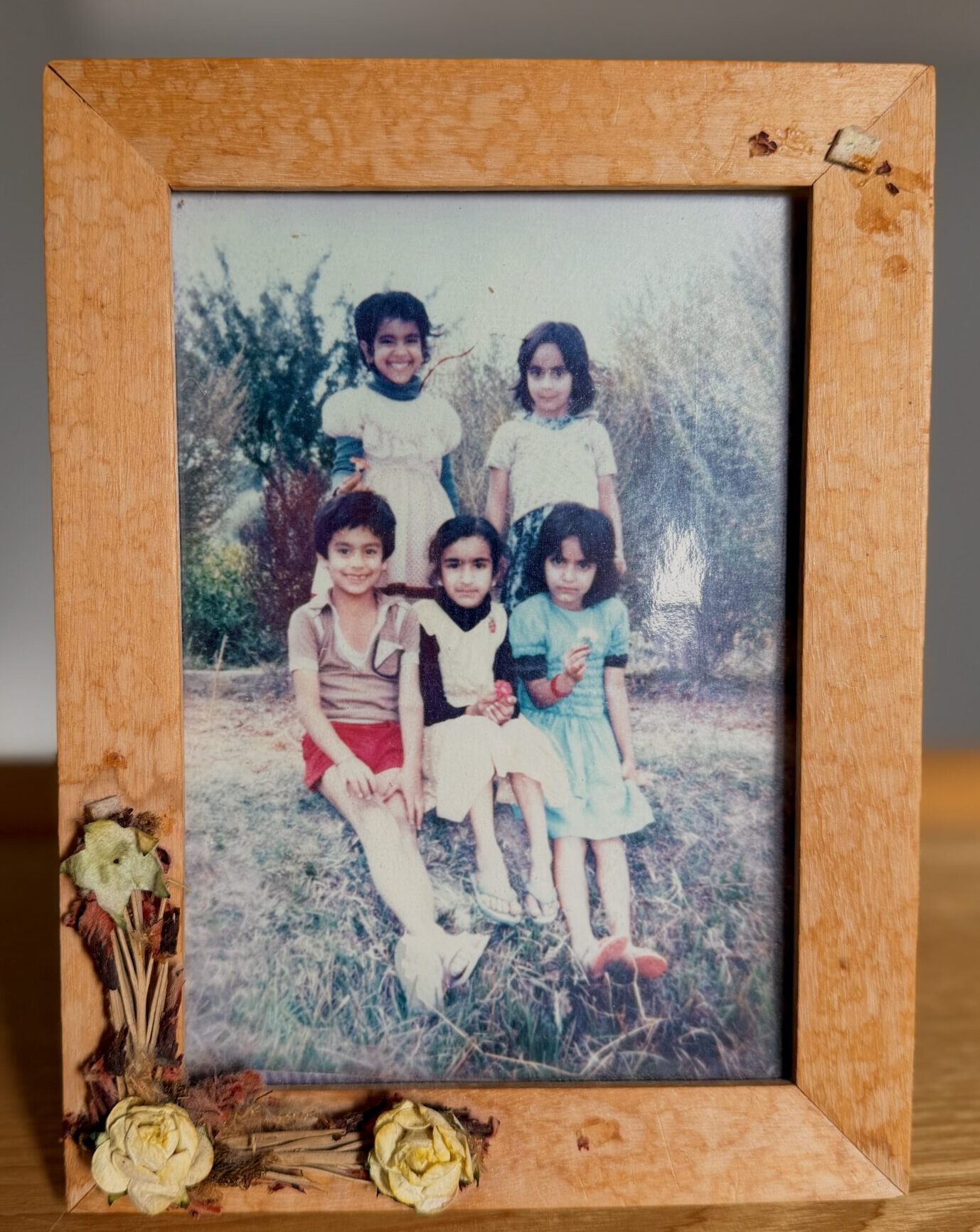
Some years, Masi would come to help too. Sleeves rolled up, laughter ready to spill, their sibling shorthand stitching the rhythm of the day, My sister and I knew our place in the order of the things: roaming the garden in search of dramun, plucking flowers with the solemnity of jewel thieves, rinsing puza grains and arranging them as though arranging entire worlds. 

Then came the roths. Once rolled, they became our canvas. My sister and I carved wholly unnecessary patterns into the dough, stabbing at the surface with khos, kawel, chamcha, even knife, believing every jagged line mattered, The artistry was spectacular in its unpredictability. Of course, once the roth met the ghee, ghee met the pan, the designs melted obligingly into anonymity, vanishing under generous sprinkle of khus khus. But still, we had done our part.

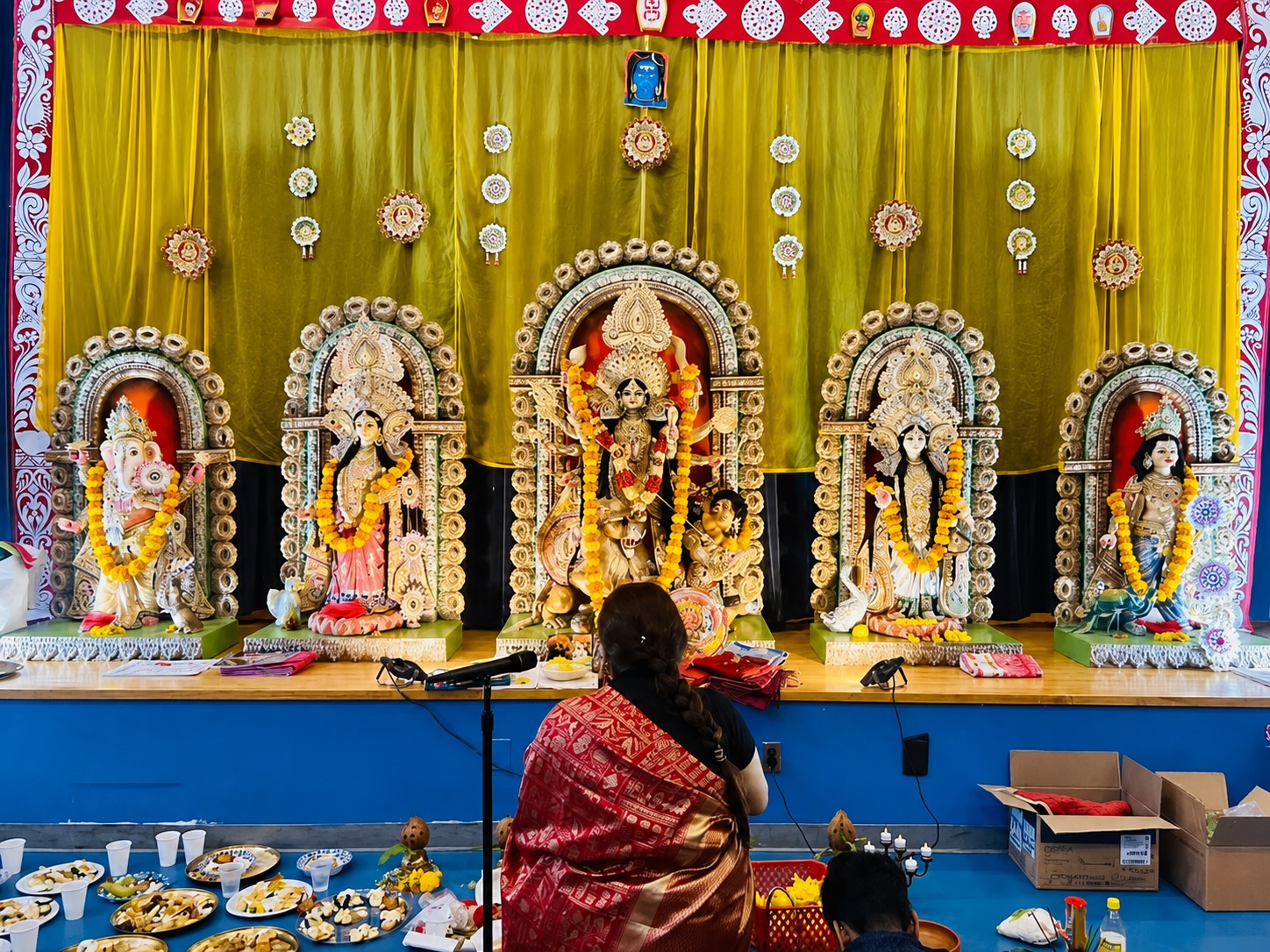
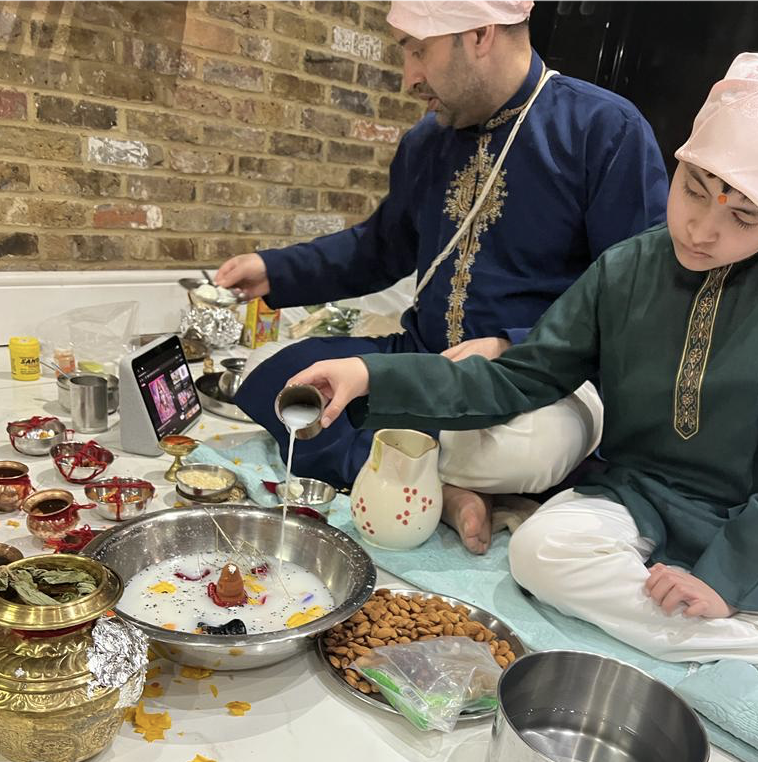
As the choka filled with that buttery sweetness, aroma with the power to fling you backward in time before you realised it, my mother prepared the puza. A water-pot or dull was decorated with vermilion and adorned with hand spun pann (cotton) around the neck of the dull. My mother also wore the pann in her ears. Bobji, solemn now, narrated the story of that arrogant king who mocked the gods until he was stripped bare. A cautionary tale, punctuated by the crackle of ghee and the faint impatience of children who couldn’t wait for the eating to begin. Dramun, flowers and grains were shared, roth stacked like treasure atop the dull. We all offered our obeisance. Naveed was shared with the neighbours, adults enjoyed the roth with kehwa or sheer chai, depending on their preference, My sister and I, convinced of our discerning taste required nothing more than the roth alone.

The next day brought Papa’s koshur vohorvood. A feast, complete with his sister’s familiar bustle, cousins darting underfoot, games of pure nonsense. That too has softened now into memory.

We are grown, dispersed, scattered across geographies. And yet, each year, the ritual resurfaces. Above my cupboard, the orange wok I once bought waits patiently. Food processors stand in for Bobji’s devoted wrists; Royal Mail delivers naveed where once we carried it door-to-door. Different kitchens, smaller gatherings. And still, for one morning, everything slows and steadies. It happens. Against odds, the world feels, utterly and improbably—complete.

Dr. Sheetal Raina is the founder and editor of ISBUND, an immersive platform dedicated to preserving and celebrating Kashmiri culture. Deeply connected to the heritage and traditions of Kashmir, she brings a distinctive voice to cultural discourse - blending academic insight with heartfelt commitment to her roots.

3 Comments

POST COMMENT

Your email address will not be published. Required fields are marked *