Sonth -A Celebration Rooted in Nature
Kaw karan taw taw, Haer vanan Soonth aaw;
Bilbechro dil shehlaw, Tekabatni Josh aaw;
Nanga kulen pan drav, Hukhimeten zuv chav;
Kuklyi chi Boalaan Govind Guu, Poashnuul Chi Vanaan Hee Shamboo;
Kastoor Chi Vanaan Soant Ho Aav, Soant Ho Aav!
Birdsongs in spring
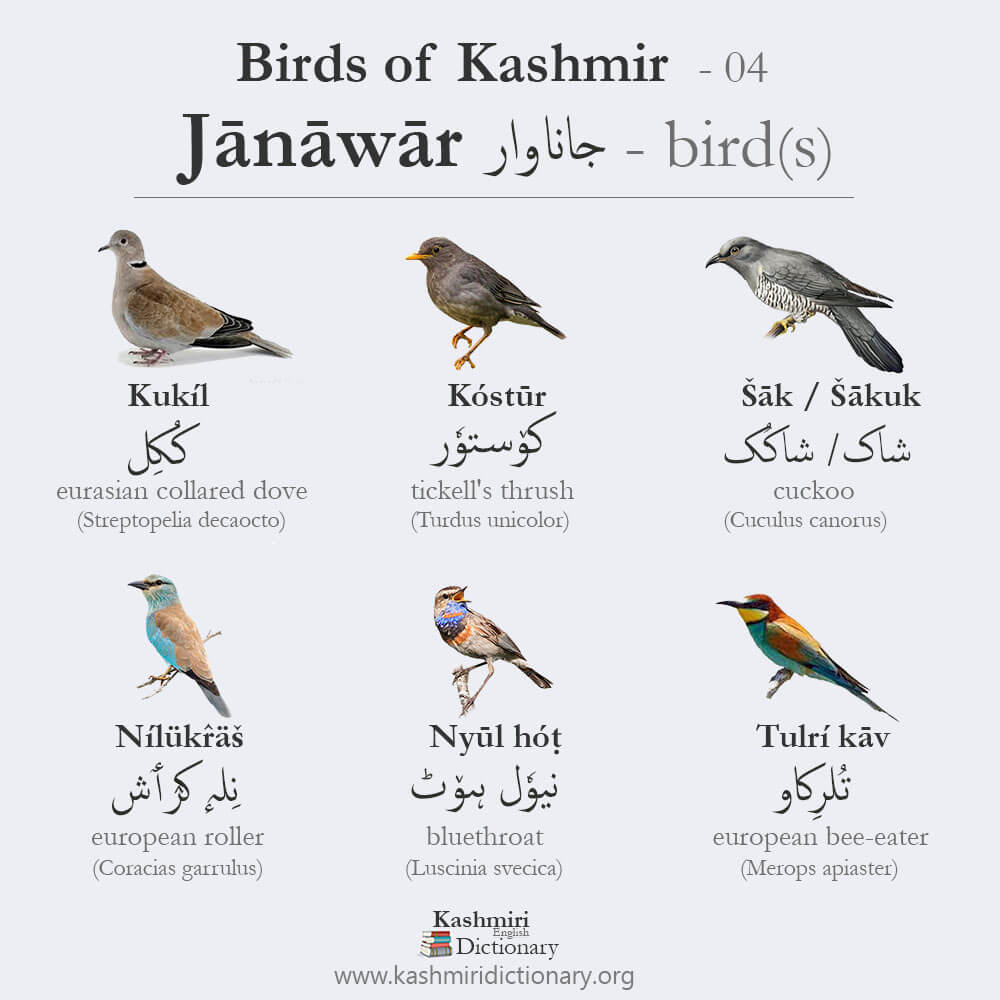
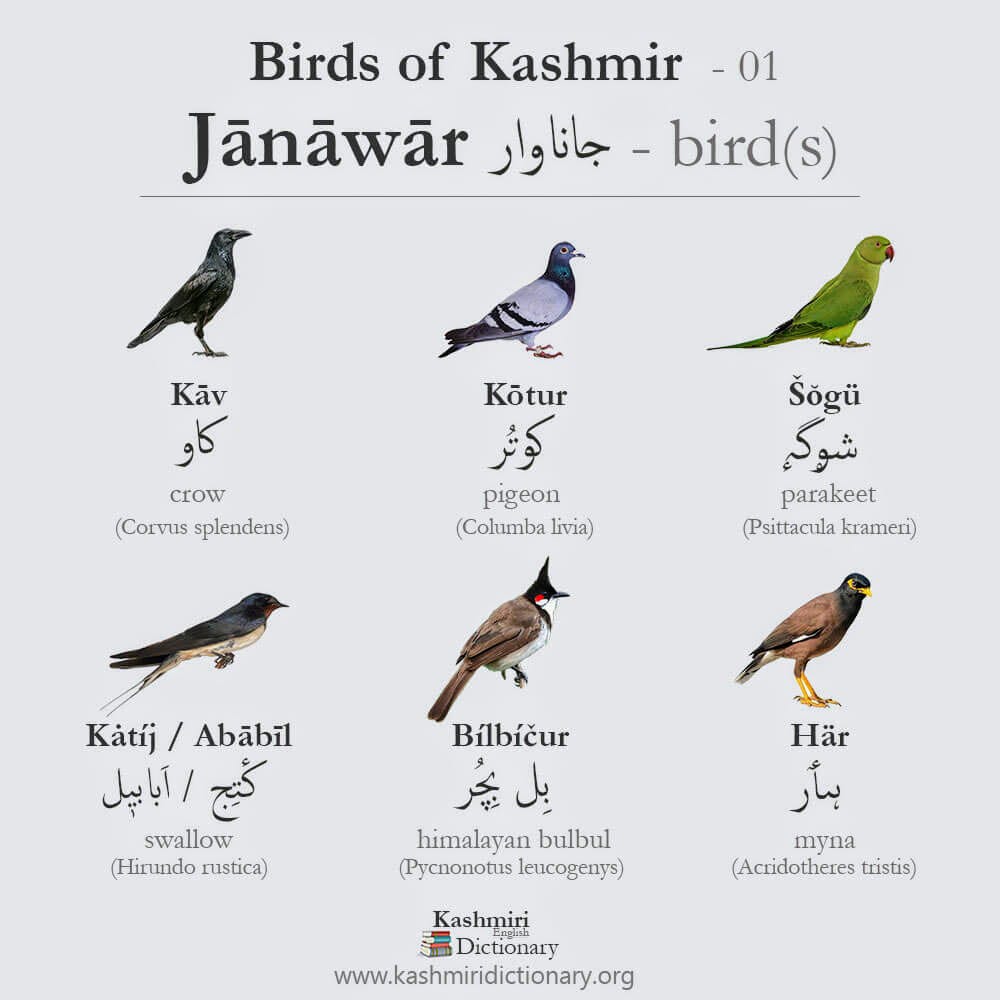
In my childhood, the calls of crows signalled a change in weather, but the real harbingers of spring were the chirps of the Himalayan Bulbul and the Common Myna. When these birds began their songs, we knew Sonth was just around the corner. On the day these birds continuously chirped, perched on our window sills, it was official—spring had arrived.
As the youngest in my family, I had the privilege of rushing to the window to listen to these joyful sounds. Later in life, while serving in the military, these bird calls were replaced by bugle calls. Yet, a smile would always cross my face when I heard a bird chirping outside my bunker, reminding me of those early spring days in Kashmir.
It was spring in most of the Northern States, specifically the hill states. The biggest gift during Spring (Bahar) was the tree leaves and flowers of different hues adorning the gardens. Amidst it all, birds started chirping on window sills and perched on trees and gardens.
In our home in Kashmir, it was the time for swallows (Ababil, Katij) to make their annual visit for six months. My trips to gardens would begin, and I made it a point to visit gardens during my leave as well.
I was fascinated by the chirping of birds, sometimes sitting under the Magnolia Grandiflora tree, listening to the Oriental Turtle Dove (Cuckoo, Van Kukil) and the Bulbul. I listed ten birds to whom I was sentimentally attached; some would be unknown to many. Longing to hear their songs and chirps, I collected their sounds and photos, and I loved to hear them again and again.
What I loved most was my conversation with the Bulbul. In a Kashmiri spring rhyme, the Bulbul is asked: “Bulbulo oush mo trav.” (“Don’t cry, Bulbul.”) I found that Bulbuls generally remained alone. I never heard a pair chirping together. Was it that the Bulbul’s chirp was to call a partner or try to coax a partner to come back? It reminded me of those days in a garden, thinking about how it felt to be away from someone special.
But I presumed it was nature’s way, to meet and part: “Oush ma trav” (“Don’t cry”).
Bridging Generations
Today, I shared this familiar rhyme with friends and family. Realizing that many of them might not understand the Kashmiri language or recognize the birds and flowers, I felt compelled to translate it to English.
This joyous rhyme is a beautiful example of how Kashmiris, regardless of community, celebrate nature’s cycles. It’s a song of spring, once shared by all, although today it seems to have taken on a few religious twists. Yet, the charm of the original rhyme remains timeless, much like gold that always glittersHere is the rhyme, along with my best effort at translation:
Kaw karan taw taw, (Crows howl “Kaw Kaw”)
Haer vanan Soonth aaw (Common Myna sings “Spring has arrived”)
Bilbechro dil shehlaw (The chirp of the Himalayan Bulbul is soothing and assuring)
Bulbuloi oosh mo traw (Don’t cry, Bulbul—this line was omitted to make the rhyme happier)
Tekabatni Josh aaw; (The Tekabstni bird? feels energetic—I know Tekabstni as a flower, not a bird)
Nanga kulen pan drav, (Leaves have started sprouting)
Hukhimeten zuv chav; (Dry grass shows signs of life)
Kuklyi chi Boalaan Govind Guu, (The dove chirps “goo-goo”—someone added a religious twist as “Govind Guu”)
Poashnuul Chi Vanaan Hee Shamboo; (The Golden Oriole’s song “pee-lo-lo” sounds far from what is attributed to it)
Kastoor Chi Vanaan Soant Ho Aav, Soant Ho Aav! (The Laughing Thrush, or Kastoori, welcomes spring with her song)
In Kashmiri folklore, the Laughing Thrush is often mentioned, notably in the popular song by poet Rasool Mir, “Valai Kastooriye.”
Welcome Sonth, Welcome Spring Season!
Sonth marks the arrival of spring in Kashmir. Unlike the lunar calendar used by Hindus across India, this celebration aligns with the first day of the Chet month of the Bikrami Samvat calendar, which has been in use for over two millennia. This year, we are in 2082 Bikrami Samvat.
After enduring harsh winter months, the thaw begins on March 1st, with the spring equinox around mid-March. The real momentum of spring gathers from mid-April onwards, coinciding with the first of Baisakh in Bikrami Samvat.
Sonth is not tied to any religious rituals or scriptures; it’s purely a natural phenomenon driven by geographical changes. Over time, legends and semi-scriptures have emerged to add meaning to this day, often invoking various deities. However, the essence of this celebration remains deeply rooted in the natural transition from winter to spring.








Minesh Khashu
Thanks for sharing Brigadier Sahib.
Growing up in Kashmir, all our senses, were stimulated in particular ways. Unfortunately most of these have largely gone silent. We occasionally get transported back in time to those days by a particular reminder to one of our senses, be it an old photograph or smell of a recipe.
One of our biggest losses is the impact the genocide has had on our culture, our language and our heritage. People like you who are documenting some of these aspects for posterity are indeed blessed. Thankyou.
🙏