A Romantic Drama From Kashmir
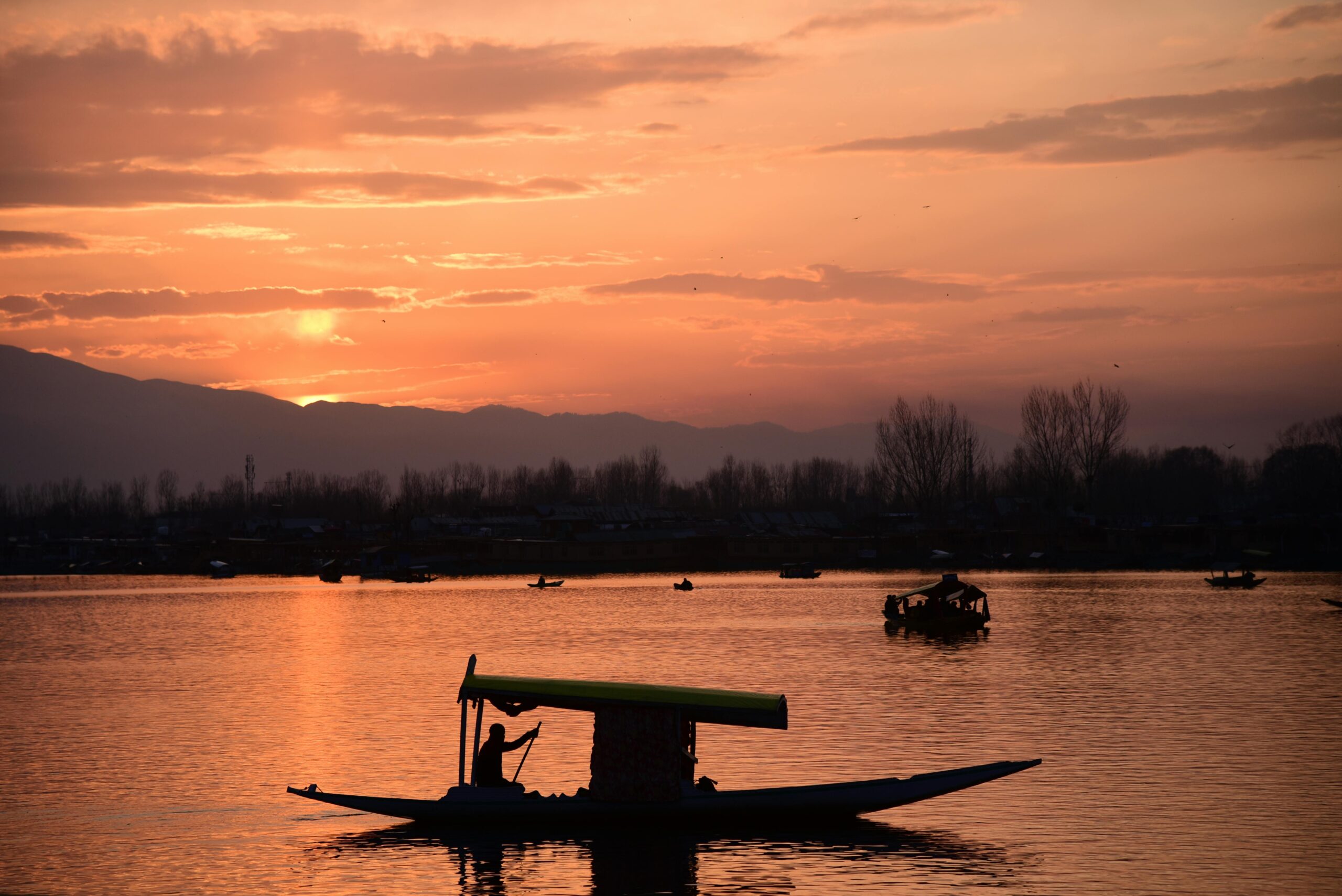
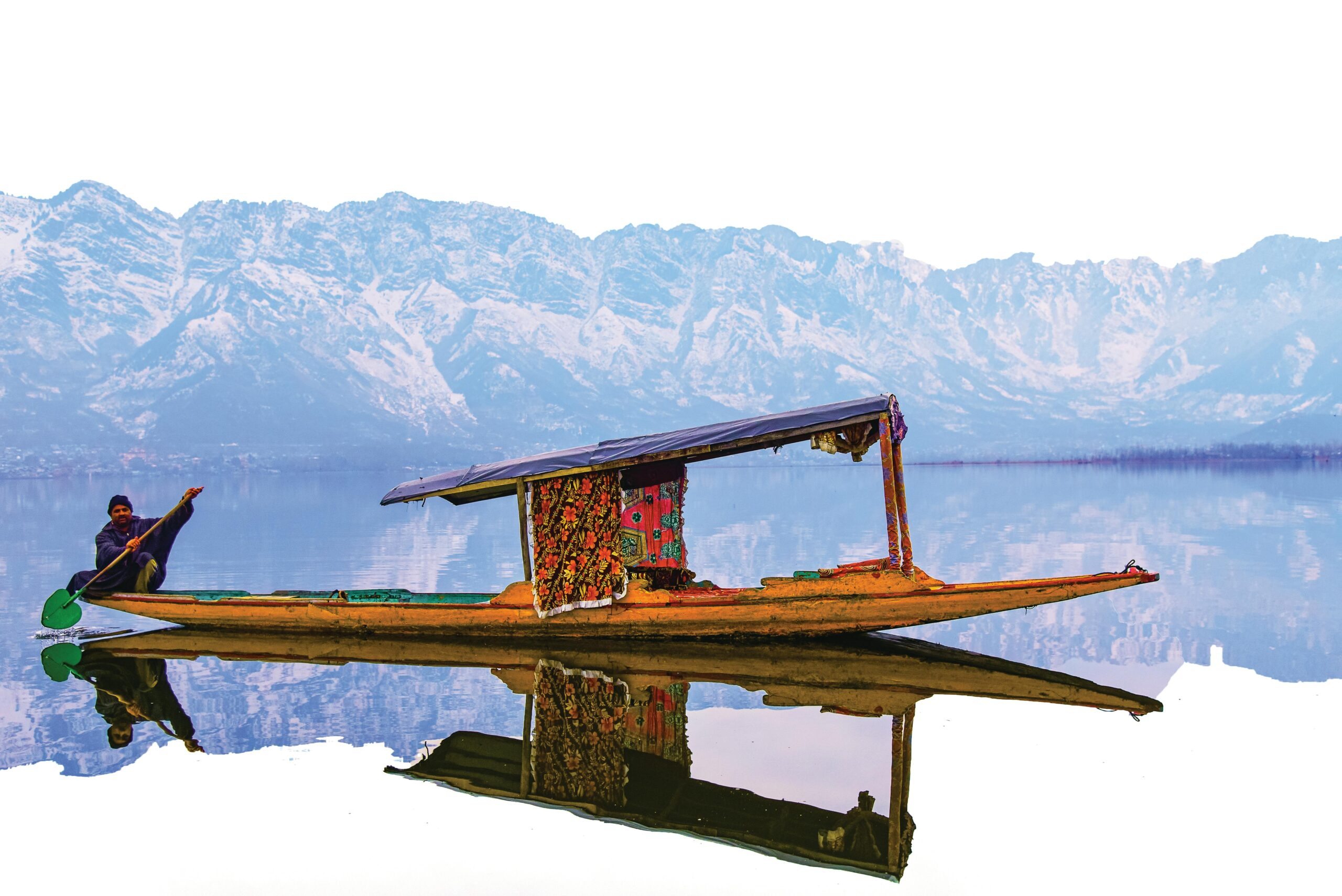
The Lidder River flowed quietly through the valley of Pahalgam, its waters carrying the murmur of centuries past. Tall pine trees stood like silent guardians along the banks, and the distant mountains shimmered with late-spring snow. Life in this serene Kashmiri town moved slowly, almost reverently, as if every day was meant to be lived with reflection.
In a modest wooden house overlooking the river lived Prannath and Kamla, a couple whose marriage had lasted fifty years. To the outside world, they were a perfect example of lifelong companionship. To their children, they were pillars of stability. To their grandchildren, they were simply Dada and Dadi: the gentle old couple who told stories by the fireplace and never seemed to quarrel.
But the longest marriages sometimes carry a truth buried so deep that even time hesitates to uncover it. And sometimes that truth awakens after half a century…
The Awakening….
For two years, the hospital room had been suspended between hope and resignation. Kamla had slipped into a coma after a sudden stroke. Doctors had slowly stopped promising miracles. Machines hummed softly around her bed, and the quiet rhythm of medical equipment became the only sign that life still lingered within her. Yet Prannath came every day.
He sat beside her like a man who believed patience itself was a form of prayer. A retired proofreader from Brocas Press, Lal Chowk, Srinagar, he had spent his life correcting the smallest errors in printed words — his eyes always trained to catch what others overlooked. But in this hospital room, there was nothing he could correct. Sometimes he read aloud to her from old Kashmiri poetry. Sometimes he spoke of their children. Sometimes he simply held her hand.
“Kamla,” he would whisper softly, “the grandchildren are growing up. Jawahar’s son is already taller than me. You cannot miss all this. Wake up… we still have many evenings to spend together.”
Two long years passed. Then, one quiet afternoon in spring, something changed. Her fingers moved. The nurse called the doctor. Her eyelids trembled. And slowly, like dawn breaking over the Himalayas, Kamla opened her eyes.
Prannath felt his breath catch in his chest. It was as if fate had returned something that had already been mourned.
The family rushed to the hospital. Their son Jawahar Lal, now a senior officer in the administration, stood speechless. Their daughter Kishni, emotional and restless by nature, burst into tears the moment she saw her mother awake.
“Ma… you came back… we thought…” She could not finish her sentence.
Even the doctors were surprised. But Kamla seemed strangely calm. Her eyes held a depth that made it seem as though those two silent years had taken her somewhere far beyond ordinary life.
For the first few days she spoke very little. But one evening, when Prannath sat beside her alone, she turned to him and said quietly:
“Prannath… there is something I must tell you before it becomes too late.”
He smiled gently. “What could be more important than you returning to me?”
Kamla looked at him with a mixture of affection and pain. Then she spoke the words that would shake the foundation of their fifty-year marriage.
“Early in our marriage… I had an affair.”
The silence that followed was heavier than the mountains outside the hospital window.
Prannath stared at her as if he had misheard. Kamla continued softly. “His name was Shamlal. He was my colleague. It happened long ago… before the children were born.”
Prannath felt as though someone had suddenly erased half the sentences from the book of his life. He stood slowly. “You are telling me,” he said with trembling disbelief, “that for fifty years I lived with a lie?”
Kamla lowered her eyes. “No… for fifty years I lived with guilt.”
The Earthquake at Home
When the family learned of the confession, the peaceful house in Pahalgam erupted into confusion. Jawahar Lal could hardly contain his shock. “Father, this is madness. After fifty years, you want a divorce?” Kishni was equally stunned. “Ma has just come out of a coma, and this is what happens?”
But the most unexpected reaction came from the grandchildren. They were fascinated. To them, the idea that their quiet grandmother had once harboured a secret romance sounded almost thrilling. One whispered excitedly, “Grandma had a lover?” Another laughed softly. “We must hear the story from her directly!”
For them, it was an intriguing tale from the past. For Prannath, it was the collapse of an entire lifetime of belief.
That night he walked alone along the Lidder River. The water roared against the stones, and the cold wind seemed to echo the storm inside his heart. When he returned home, he made his decision.
“I want a divorce.”
Memories of the Wedding Night
That night, Kamla asked Prannath to come into their room — the same room where they had lived together for decades; the same room where their children had once slept beside them during winter nights; the same room where their marriage had begun.
Prannath entered reluctantly. Kamla closed the door. For a moment, neither spoke.
Then she said quietly, “Do you remember the night we first came into this room as husband and wife?”
Prannath looked away. “How could I forget?”
Kamla smiled faintly. “I was terrified.”
He could not help recalling the memory. It had been an arranged marriage, like most in those days. He had barely spoken to her before the wedding. That first night she had sat on the edge of the bed, her face hidden behind a red veil, trembling like a shy bird. He had approached awkwardly.
“Kamla… may I sit?”
She had nodded silently. He remembered how he had gently lifted the veil — her face radiant, nervous yet beautiful.
“We did not choose each other. But perhaps life has chosen for us.”
Kamla had whispered back, her voice barely audible: “I will try to be a good wife.”
“And I will try to be a good husband,” Prannath had replied with sincerity.
That was the beginning. Over the years their arranged marriage had quietly blossomed into deep companionship. They had faced financial struggles, raised children, celebrated festivals, shared laughter and grief. Their love had not been dramatic or loud. It had been steady, patient, enduring.
Now Kamla looked at him with tears in her eyes. “Prannath, what I told you about Shamlal happened very early in our marriage. I was young… foolish… confused.” She paused. “But it lasted only a short time.”
Prannath’s voice was heavy. “And you never thought I deserved the truth?”
“I wanted to tell you many times,” she said quietly. “But each year that passed made it harder.”
“Then why now?”
Kamla answered with heartbreaking honesty. “Because when I was lying unconscious, between life and death, I realised that secrets do not die with us. They remain in the air like unfinished prayers.”
Prannath sat silently. “I loved you, Prannath. Truly. My whole life I loved you,” Kamla continued.
He looked at her sharply. “Then why betray me?”
She replied softly: “Because human beings are weak… but love can still be real.”
The Revelation
For days the house remained tense. The grandchildren waited eagerly to hear their grandmother’s story. But before she could speak to them, Kamla asked Prannath for one final conversation. They sat facing each other quietly.
Then Kamla revealed something she had never told anyone. “Shamlal died forty-eight years ago.”
Prannath looked up in surprise. “He died in an accident soon after our brief relationship ended.” She continued slowly. “The day he died, I went to the temple and vowed that I would dedicate my entire life to our marriage.” Her voice trembled. “And I did.”
Prannath felt something inside him shift. He remembered fifty years of kindness. Fifty years of shared struggle. Fifty years of quiet devotion.
Could one mistake erase all of that?
The Gathering
One evening, the entire family gathered in the living room. The grandchildren sat eagerly around their grandmother.
“Dadi, tell us about your love story!”
Kamla looked at them with a gentle smile. “Yes, it was a love story,” she said softly. “But not the one you imagine.” She pointed toward Prannath. “My real love story lasted fifty years… and it was with your grandfather.”
The room fell silent. “Life is not about perfection,” she continued. “It is about what we choose after making mistakes.” Then she turned to Prannath. “I confessed because I believed you deserved the truth. But if that truth destroys our marriage, I will accept your decision.”
Prannath remained silent for a long moment. Then he slowly stood, his voice calm but powerful.
“For fifty years I believed our marriage was perfect.” He paused. “Now I know it was human.” He looked at Kamla with moist eyes. “And perhaps that makes it even more real.”
The grandchildren leaned forward. Jawahar and Kishni held their breath.
Then Prannath said the words that would echo through the house: “I withdraw the divorce.”
Kamla’s eyes filled with tears. He walked toward her and held her hand.
“Kamla, love is not the absence of mistakes. It is the decision to remain together despite them.”
The Thundering Closure
Outside, the Lidder River continued its eternal journey. The mountains stood silent, as they had stood through countless human stories of love, betrayal, and forgiveness.
Prannath turned to his grandchildren and smiled. “You wanted to hear a love story from your grandmother.” He looked at Kamla. “Here it is.”
“A man and a woman were brought together by an arranged marriage. They faced life together for fifty years. They made mistakes. They carried secrets. But in the end… they chose forgiveness.”
Kamla squeezed his hand. “And that,” she said gently, “is the greatest love story of all.”
The grandchildren burst into applause. The family laughed through their tears. And in the quiet Kashmiri night, under the watchful mountains of Pahalgam, a marriage that had nearly ended was reborn — with deeper truth than ever before.
For sometimes love does not survive because it is perfect. It survives because two people refuse to abandon it.









POST COMMENT