




Ajanya Kaul
Ajanya Kaul is a budding Sound Designer, Engineer based in Barcelona; carving a niche in immersive audio for film, media and contemporary storytelling formats. He is drawn to sounds that reveal emotion beneath what the screen shows.
6 Comments
-
-
Ajanya Kaul
I’m deeply touched by your words. Thank you for sharing your perspective.. It’s an honor to reflect even a part of what you’ve lived.
-
-
Surrinder Saraf
I am very much impressed with a beautiful and emotional write up, depicting the truthful occurances of leaving our roots and culture behind. We have surely lost something much more than you have mentioned. Stay blessed.
-
Ajanya Kaul
Thank you so much for your kind words. I really appreciate your perspective and the thought you’ve shared—it means a lot!
-
-
Minesh Khashu
Thanks Ajanya for sharing this. You speak for thousands and thousands who have inherited exile like you.
Do get in touch.
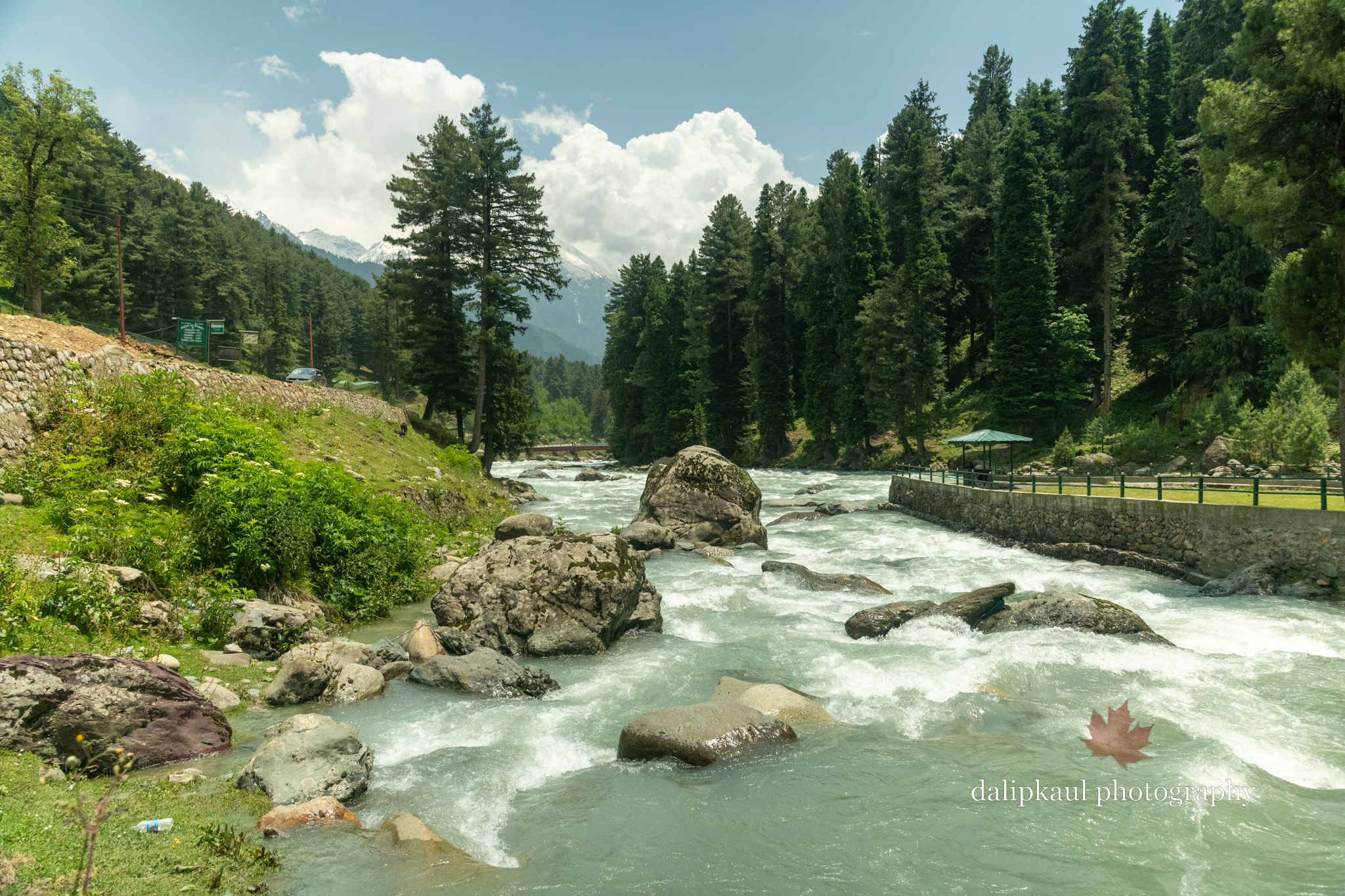
Since your life is immersed in “sound”, it is perhaps appropriate to view the ‘exile’ from a sound lens as well. Those very familiar sounds, that were close to the hearts of our forefathers, be they the footsteps in the snow, the morning melody of birds, the gush of the lidder river in Pahalgam, the walk through the chinar leaves in the autumn, the oar making contact with the water on a dal lake boat, the busyness of habbakaddal… Above all our kashmiri language faces extinction and one of our most important responsibilities is to make sure we can revive it and make it thrive among our future generations.
🙏
-
Ajanya Kaul
Thanks so much! I’d be excited to connect and hear more about your ideas. Exploring this through a sound lens sounds like a fascinating opportunity.
-


POST COMMENT
Related Posts

The Fragrant Memory of Isbund
When we chose the name ISBUND for our magazine, we hoped it would evok

Threads of Love and Legacy
Under the golden August sun, the Dhar family’s veranda thrummed with
Siyah Raat!
In this dark, bitter night of winter, they bury us alive, their hatred

Narcissus of Kashmir: The Flower that Remembers
In her evocative article, Monika Kaul reflects on the quiet resilience
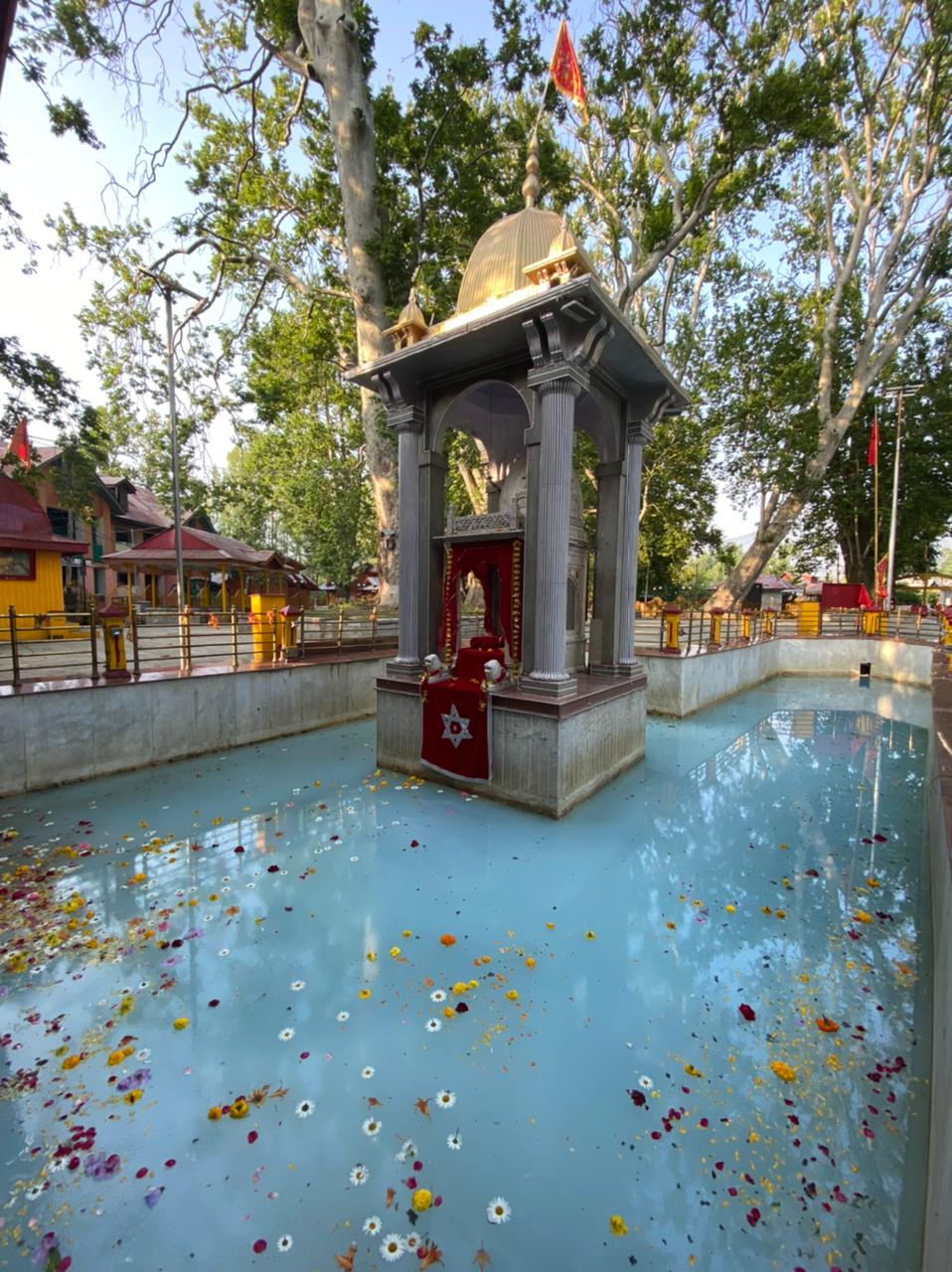
Tulmul
For twenty years, my parents have made a pilgrimage to Tulmul, a small
Sheetal
Reading your piece, I see my own child reflected back at me.
You speak with such clarity about what I have watched unfold across generations: my own rupture, my attempt to rebuild and now the next generation’s burden of inheriting a wound they did not receive firsthand.
I know the weight of what you describe. I lived the night we left. I know the severance, the work of turning temporary shelter into permanent life, the way certain names and places will always ache. But what strikes me most painfully in your words is this: the next generation did not choose to carry this. Yet here they are, feeling responsible for the repair of something they never broke.
I see in your words the generation I hoped would carry the truth forward, not the sorrow. And perhaps that is what survival truly means: that they inherit our correctness, our dignity, our refusal to let the story be told wrong. That is enough.