London, 29 June 2025
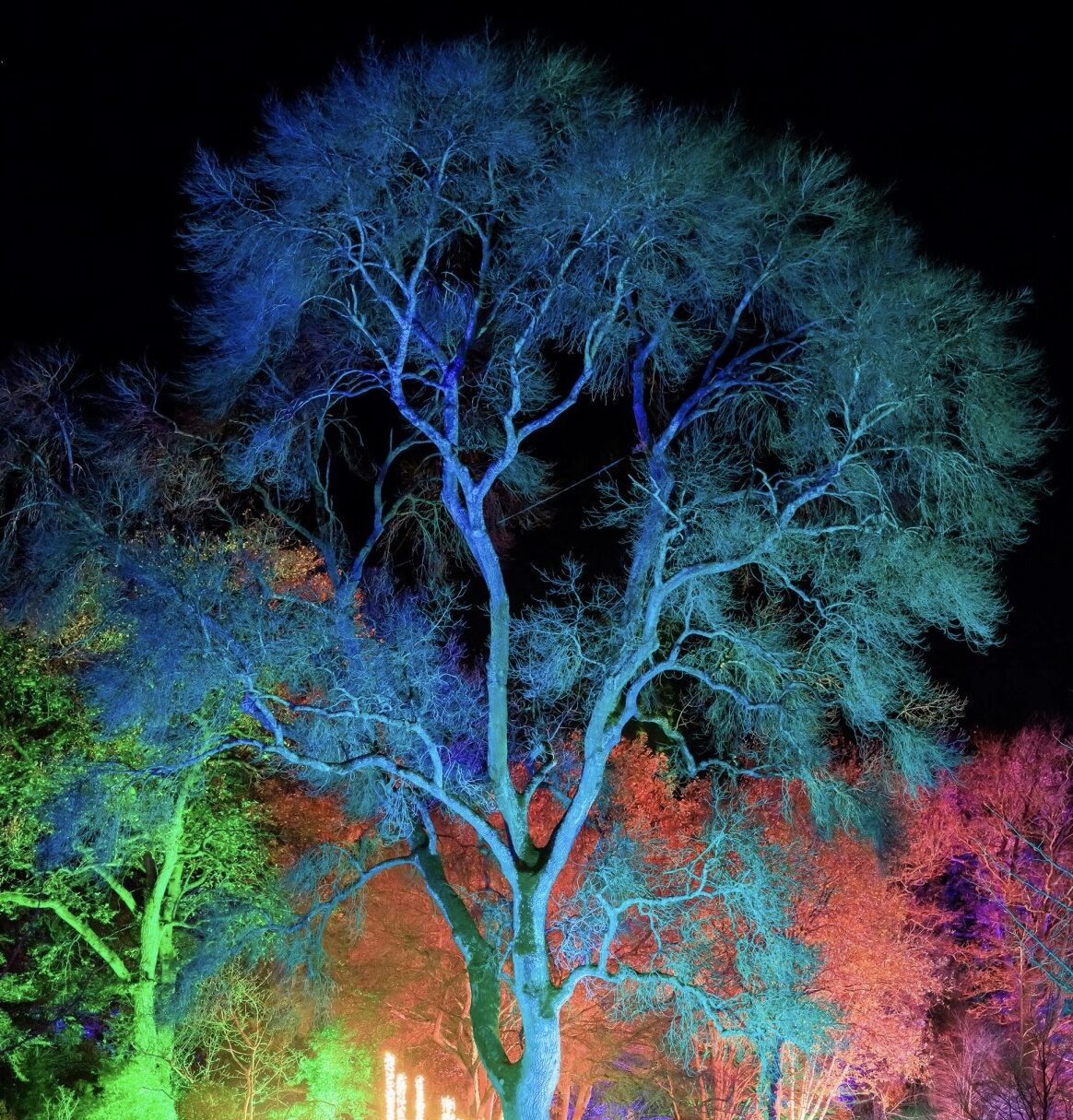
Kheer Bhawani, also known as Ragyna Devi, is one of the most revered temples of the Kashmiri Pandit community. Situated in Tulla Mulla, Ganderbal district of the Kashmir Valley, the shrine is famed for its heptagonal spring, surrounded by majestic Chinar trees that add to its pious serenity.
Kheer Bhawani is venerated as the Kuldevi (ancestral deity) of various sects within the Kashmiri Pandit community and is also worshipped as an Ashta Devi by those who follow a Vaishnav lifestyle, having renounced non-vegetarian foods.
According to reports from brownchinarkashmir.com, the goddess Ragnya Devi is believed to have manifested as a spring of Kheer, which has evolved into a flowing stream of water from a holy spring within the temple. It is believed that this spring’s water possesses divine powers, and that the goddess herself consumes the Kheer. Thus, the name Kheer Bhawani originated from the practice of offering this milk and rice pudding to honour the goddess.
The festival of Jyeshtha Ashtami holds great religious significance for the Kashmiri Pandits. The annual pilgrimage and congregation at the temple is an emotionally charged event, celebrated with devotion even during the community’s exile. Thousands of devotees, despite displacement, continue to observe the day by fasting and praying for collective well-being, and this year too, hustle and bustle of the devotees continued on Zyestha Ashtami day.
Living here in the UK, I have found immense inspiration in participating in community-driven celebrations of our traditional festivals. Social media has played a vital role in reconnecting me with fellow members of the diaspora in the UK and across Europe.
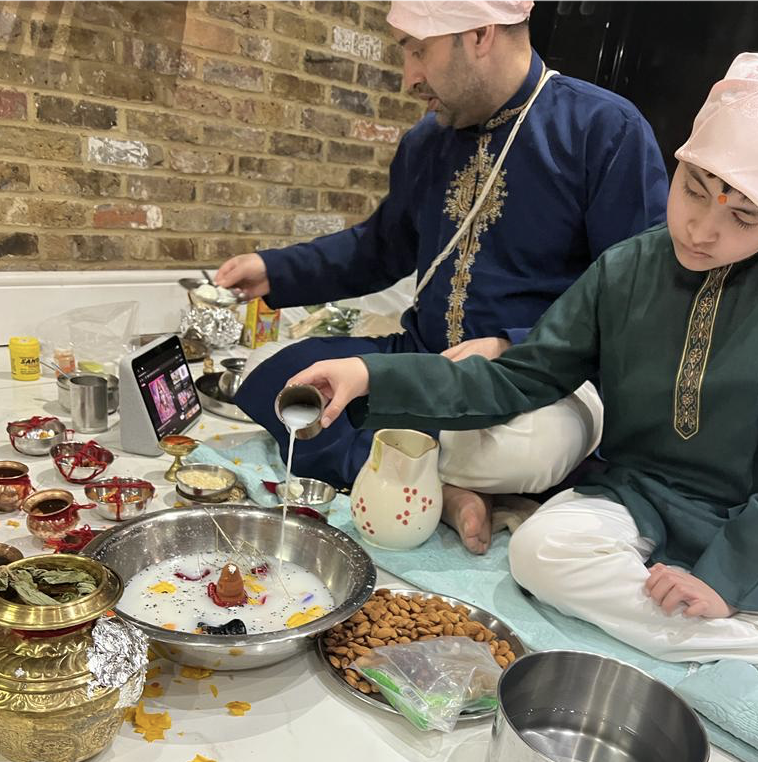
This year, I was fortunate to attend the magnanimous celebration of Mata Kheer Bhawani’s birthday (Zyestha Ashtami) which took place in the serene Sri Raja Rajeshwari Amma Temple in Epsom, Surrey. Organized by the Kashmiri Hindu community for the past 12 years, the event featured a traditional homa ceremony, offering of milk to a beautifully adorned replica of the goddess Ragnya, and heartfelt bhajan renditions. The melodies of “Mata Daya Kar,” “Maej Sharikaye Kar Daya,” and “Padekamlan Tael Bha Asysai” brought back cherished memories of my childhood reminiscing my mother singing these melodies. It evoked a deep sense of spiritual nostalgia and I found myself singing along joyfully with the same devotion.
A newly embraced tradition of a symbolic palki (palanquin) procession of Mata Kheer Bhawani’s idol followed the homa. It created a powerful sense of divine presence enveloping the entire gathering. The celebration concluded with the distribution of prasadam, which mirrored Kashmiri cuisine, including palak, dal, dum-aloo, paneer, yellow rice, and kheer, graciously savoured by all attendees.
What stood out most was witnessing the unwavering dedication of individuals committed to preserving our cultural heritage while living abroad. It fills my heart with immense pride and gratitude to be part of a vibrant community that continues to uphold the path of wisdom and spirituality, and celebrates our traditions across continents. Through the grace of Mata Kheer Bhawani, our collective faith remains unshaken, and our roots, though distanced, grow ever deeper.







Dr Sundeep Kaul
beautifully expressed. thank you for sharing. God Bless You