I feel like an imposter. On many days. For many reasons. But on 19th January, every year, it hits differently. I bathe in a teel kraay of guilt and shame. I have never been able to fully express my feelings but after five decades on this beautiful earth, I think it may just be the right time for honesty and acceptance.
I feel the piercing gaze of people I know and love, friends and extended family even, through conversations and social media interactions. When my non-Kashmiri friends say ‘I am so sorry for what you and your community faced and had to endure’, the tears won’t stop. Partly because of the guilt of not actually being there that fateful night or the ones preceding or following it but largely because I feel the pain in my heart like a physical blow which is hard to even describe. When I go home and meet family, close and distant alike; when I meet friends and acquaintances in the U.K. as we partake in singing leelas at a Kheer Bhavani hawan, we are united by cheer naalmots – a tight hug that is bereft of pretence and full only with affection and familiarity; and questioning eyes that silently ask, ‘for what do YOU shed these tears? What do YOU know of the pain, of being forced out of your home, stripped of your identity, being terrified for your life, shoved like a herd of cattle to reach a house in Jammu (if you were lucky) where 12 lived together, suffer the ignominy of becoming a refugee in your own country and endure the pain of losing everything you’ve so lovingly built?’
They are right. While almost everyone I know and love has had to face this unspeakable pain and been a victim of it in some way, it has not been a lived experience for me. I really do not and cannot claim to feel the anguish and yet it lives in my heart, like a hot kangri whose embers burn me at the slightest given opportunity. The fact that it wasn’t my choice to not be there matters not, just that only because I wasn’t there doesn’t mean I don’t feel the untold, indescribable pain.
I didn’t live there but my memories do.
The memories, of the morning, a couple of years prior, sitting in tsaathkoth in the bright lounge/dining area, on the floor, dipping my girda into a brass khos which held a very light tea (what one would refer to as a dip-dip chai and not brewed on a hob), sweetened with just the tiniest hint of sugar, with all the action taking place on a large floral printed plastic sheet that was laid out with great pride in front of the people sitting.
Of the time I was at Tulmul in the wee hours of the morning, many mornings before, with the sounds of bells and leelas echoing in my ears, the smell of kand and dhoop wafting through my nostrils, the taste of lucchi halwa sending my young palate instantly to food heaven, the laughter and chatter filling my senses.
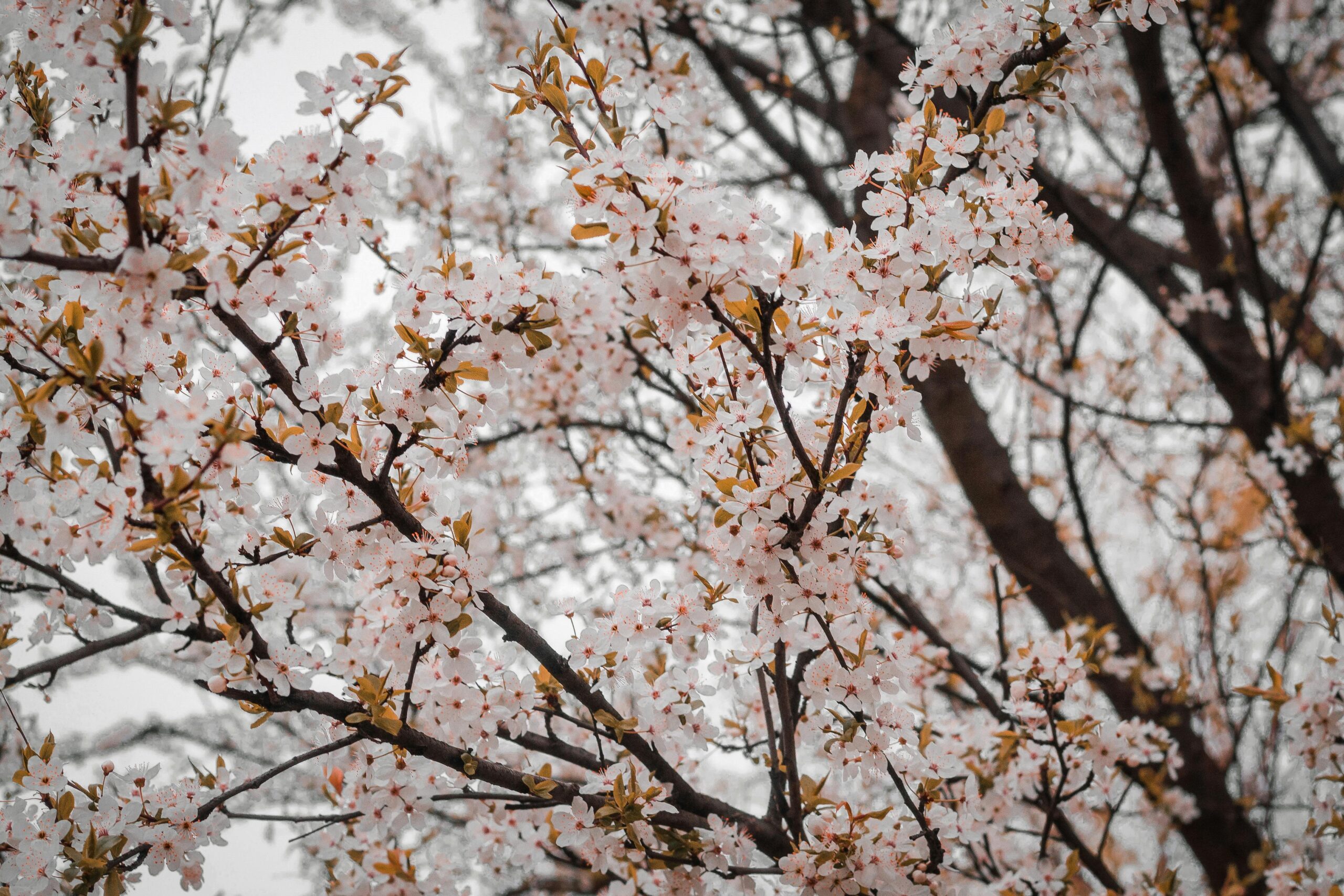
Or the time, when many moons ago, I stood at the arched doorway of my ancestral home on Residency Road, squinting through the sunshine, to admire the largest, brightest and most fragrant red roses known to humankind. Their fragrance permeated the entire home and made their presence known everywhere, from the kitchen to the thokur kuth. Living in Britain for 2 decades now, I have since had the pleasure of encountering many different varieties of red roses which are lovely but none with a red so deeply hued nor a fragrance as heady and intoxicating as those red roses in my grandparents’ home. There were more roses in the garden beyond. And more fragrances. Of the reddest apples and the juiciest pomegranates. And oh, the thokur kuth, a place where it felt Shiv Shambhu himself came down from Kailash to take a seat by our side, when my grandmother read the Shiv Mahimna Stotra and the smell of incense sticks and the tchsong made for a divine, out of body experience.
I was there, looking on with wide-eyed excitement, the girl from Poona who sat in the taanga for the first time en-route to her maatamaal, over the Bund. I can feel the excitement to this day and insisted on sitting in a cycle-rickshaw in Delhi a few years back, just to relive that feeling momentarily.
I thought I had time for reparations; to make up for all the opportunities I missed of being in Kashmir; to go back with my grandparents to enjoy summer in Kasheer and create lasting memories at our beautiful home in Srinagar; visit the school my parents went to; smell the yembarzal; take pictures in the badaam vaer; buy bread from the local kaandur; visit the Martand temple that I have only heard about; drink the fresh water in Chashmeshahi and ride the horses again in Gulmarg.
I thought I would have the chance to go back to the strong, unbreakable stone house my Grandfather had built himself, a house that was first illegally occupied and then sold for a pittance, became someone else’s home and has now been demolished to make way for a new development. In my dreams though, I often find myself standing at that arched doorway where the red roses bloomed, with my eyes wide shut, taking a deep breath, filling my senses with the fragrance I hope I will never forget. Perhaps I am not entitled to call it that but it still feels like, home.







Sheetal
My grandmother was an avid gardener too. Our kitchen garden overflowed with monj haakh, hembe and khanyaar haakh. The cucumbers she grew were the juiciest I’ve ever tasted. And the peaches, with their soft fuzz and nectar-like sweetness, still visit my dreams. But her true pride were her roses—blushing pink and impossibly fragrant.
I’ve searched garden centres for over two decades, trying to find that same scent, that same colour. The closest I’ve found is David Austin’s Gertrude Jekyll. It’s beautiful, but not quite the same. Perhaps because it lacks Kakni’s sweat, her touch, her presence. Every summer, she’d turn those roses into khambir, and we’d devour it in no time.
Thank you for walking us through your home, your memories. One day, perhaps, we’ll walk through them together and find that long-lost fragrance again.