A childhood paradise, a note left at the gate and a family torn apart by militancy — then, decades later, torn apart again by time.
By Shilpa Fotedar
There is a particular kind of beautiful that ruins you.
Not the beauty that hangs in galleries behind velvet ropes, politely waiting to be admired. Not the kind you photograph and forget. I mean the kind that enters you, that settles into your bones so deeply that decades later, in some ordinary moment, in some city far away, the smell of pine or the sight of morning fog will stop you midstep and hollow you out completely.
Kashmir was that kind of beautiful.
And I was twelve years old, wholly, helplessly inside it — not yet knowing that the most devastating thing a paradise can do is teach you to love it before it breaks.
The Valley That Held Us
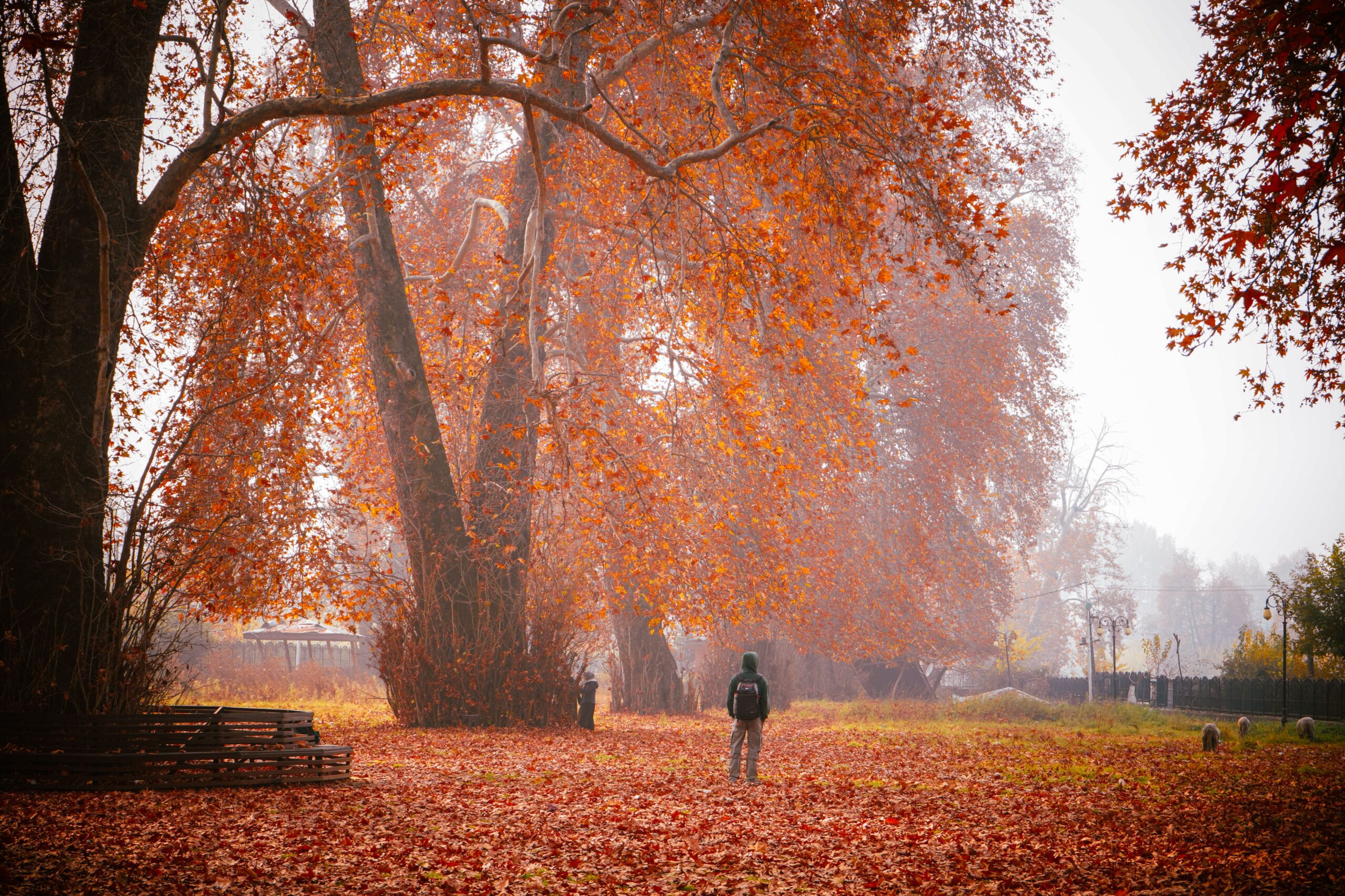
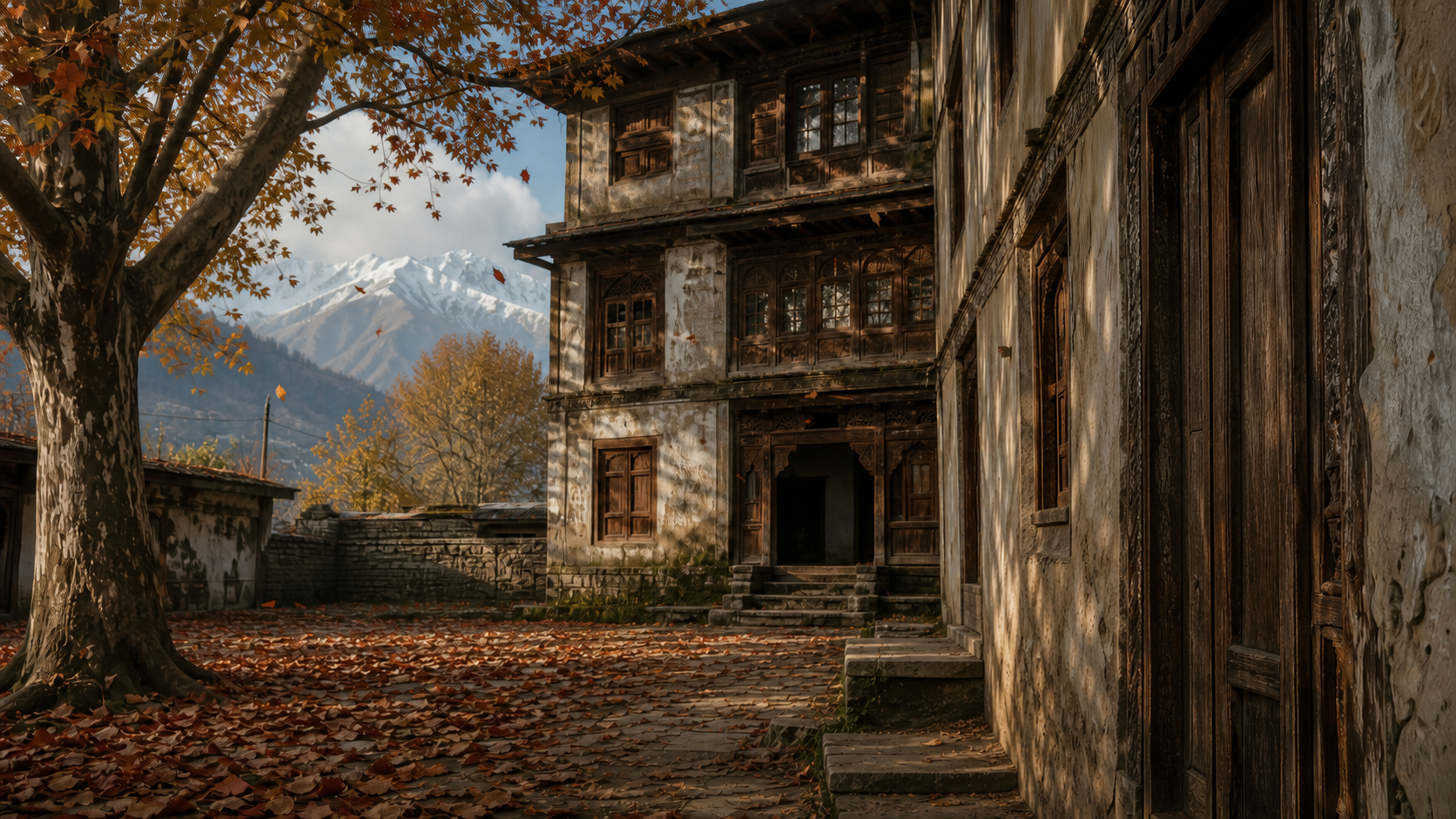
The mornings there were so still they felt sacred. The Himalayas stood at their full height, indifferent and magnificent, draped in snow that caught the first light like the mountains themselves were quietly, privately glowing. The chinars — those ancient, towering trees — turned amber and gold in the autumn, not fading but burning, as though even in dying the leaves refused to be anything less than spectacular.
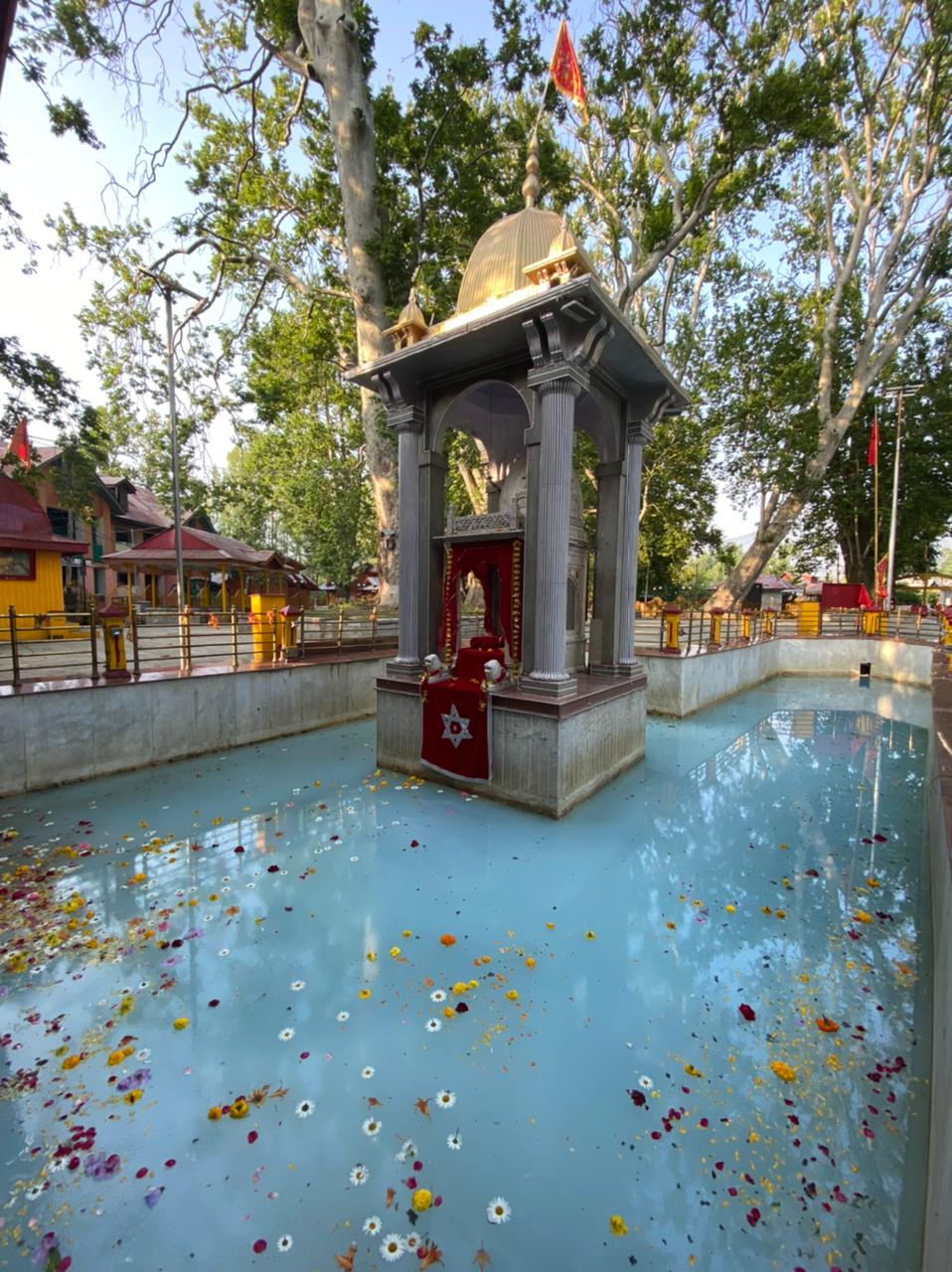
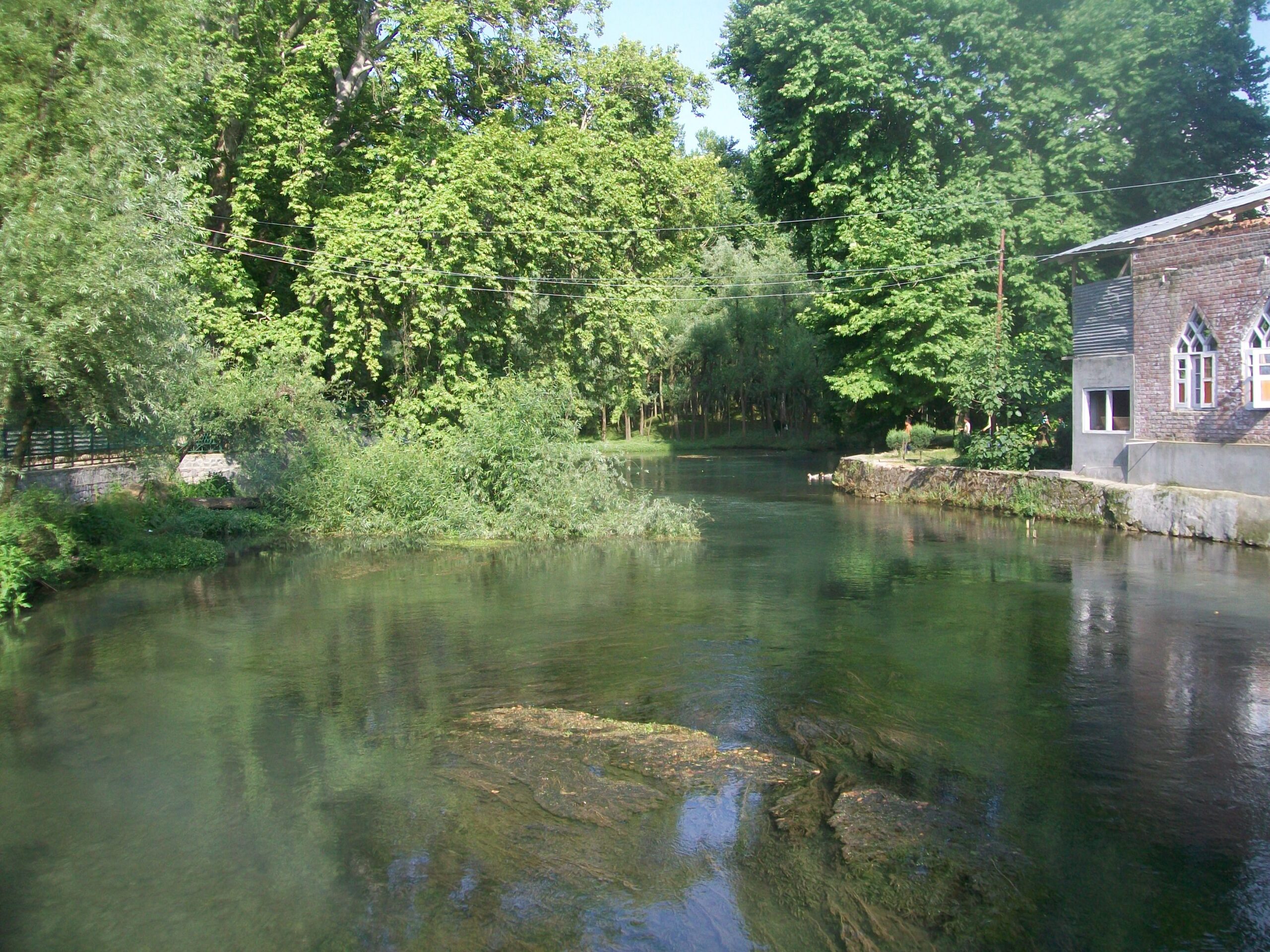
The Dal Lake. The houseboats. The saffron fields outside Pampore where the purple crocus blooms in October like the earth is attempting a small, annual miracle. The Jhelum river murmuring through the valley the way rivers do when they have been there long enough to know everyone's secrets.
Gar firdaus bar ruye zamin ast, hamin ast o hamin ast o hamin ast. If there is a paradise on this earth, it is here. It is here. It is here.
The line is usually attributed to the Mughal emperor Jahangir. Whoever said it first, he was not exaggerating.
This was home. This was the air in my lungs, the colour behind my eyelids, the only world I had ever been handed. My parents had built a life inside this beauty, slowly, stubbornly, with the particular determination of people who believe that hard work is a kind of prayer. A house. A family. A future sketched carefully in the margins of a life they were proud of.
They had not planned for what was coming. Nobody had.
The Note at the Gate
Militancy crept into Kashmir the way cold creeps under a door, slowly, then all at once, until one day you realize you are shivering and cannot remember when you stopped feeling warm.
It did not announce itself with trumpets. It did not arrive as the disaster it was. It arrived as whispers. As neighbours who disappeared. As evenings that ended earlier. As adults who spoke in lowered voices and stopped mid-sentence when children walked into the room.
And then, one day, it arrived as a piece of paper.
Small and ordinary, left at our gate. Just a note, the kind of object so mundane you use it to write grocery lists and birthday reminders and small, forgettable things. But this note was not forgettable. This note said that my father had been chosen. That somewhere out in that beautiful, treacherous mist, that same mist that had always looked like poetry, men with guns and ideology and absolutely no regard for a family's ordinary happiness had decided that my father's continued existence was inconvenient to their cause.
No trial. No warning. No negotiation.
Just a note and a gate and a family standing on the other side of it, watching their world rearrange itself into something unrecognizable.
I was twelve. I did not understand the politics. I did not understand the violence. But I understood my mother's face and my mother's face, in that moment, said everything that adults try to protect children from knowing.
We are not safe anymore. We were never as safe as we thought.
No trial. No warning. No negotiation.
The Night Everything Was Compressed Into a Bag
What does a lifetime look like when you have one night to pack it?
My parents found out. That night and I imagine it stretched endlessly, each hour heavier than the last, my mother and father made the only decision that love makes when it has run out of options. They would send us ahead. Their daughters. Their girls. To their brother's house, far enough away to be out of reach.
They would stay behind.
They gathered everything they had: the money saved in the quiet discipline of years, the gold that had been worn at weddings and tucked away for futures not yet imagined, the weight of every sacrifice compressed now into something we could carry in our small hands. They pressed it into us like people handing over their most precious things to a river, hoping the river is kind.
Go, they said. And we went.
Two girls. No parents. A bag of gold and cash that represented everything two people had ever worked for. A destination. A set of instructions. And three questions hanging in the night air that nobody had the mercy to answer —
Will you arrive safely? Will we survive? Will we ever be together again in this house, in this life, in this world that used to make sense?
I was twelve years old. I did not have the language for grief yet. But I felt it the way children feel things, not in words but in the body, in the chest, in some primal place beneath thought. I felt that I was leaving. Not just a house. Not just a street.
I was leaving my world.
The Journey Through the Dark
There is a specific cruelty in being a child during a crisis that adults cannot fully protect you from.
You are small enough to be told it will be fine. But you are old enough to feel that it won't be, not exactly, not the way fine used to feel. You ride in whatever vehicle takes you away from everything familiar, watching the landscape you love scroll past the window like a film ending before you were ready and you do not cry because crying feels too small for what is happening.
We did not know if we would arrive.
We did not know, behind us, if they would survive the night. Every kilometre between us and our parents was a kilometre deeper into the unknown. And the unknown, at twelve years old, with gold pressing heavy against your small body and the mountains disappearing behind you, is the loneliest country in the world.
We arrived.
But arrival, it turns out, is not the same as safety. And safety, it turns out, is not the same as home.
The House That Was Not Ours
Our uncle's house was kind. Let me be fair to it.
It had walls. It had warmth. It had people who loved us in the way extended family loves, genuinely, but at a slight remove, like an embrace that doesn't quite know how tight to hold.
But there was no school.
No familiar road that knew the weight of my footsteps. No classroom where a teacher might call my name and I would raise my hand with the uncomplicated confidence of a child who belongs there. No vision of a future, because the future had been temporarily suspended, pending circumstances beyond anyone's control and nobody had thought to tell it when to resume.
We were girls in a borrowed life. Waiting. This is what displacement actually looks like, beneath the newspaper headlines and the political analyses and the grand historical narratives. It does not look dramatic. It looks like two small girls sitting in a house that is not theirs, quiet in a way children should not have to be quiet, learning far too early that the world can be pulled out from under you without apology.
The struggles did not end with arrival. They were only just beginning.
The Time That Was Stolen and Never Returned
Bedtime stories. Sunday mornings. The sound of your mother humming in the kitchen while your father reads the newspaper and the whole house smells of something warm and nothing in the world feels urgent or dangerous or far away.
The ten thousand small, unremarkable, irreplaceable moments that stitch a child to her parents like invisible thread — thread that, once cut, cannot simply be retied and expected to hold the same way.
That is what the years a child spends with her parents actually are. Not just years. Architecture: the invisible structure built beneath everything you will ever become, the bedrock of identity, the quiet accumulation of ordinary moments that teach you, without you even knowing you are being taught, who you are and where you come from and what it feels like to be loved in your own home by your own people.
We lost those years.
Not to death, not then. But to militancy. To a note at a gate. To a night of terror that scattered our family like pages from a book caught in a sudden wind. By the time the wind settled, by the time we found our way back to one another, some chapters had simply blown away. Gone. Unrecoverable. You cannot retrieve a childhood that passed without your parents present. You cannot go back and be twelve again, this time with your mother nearby.
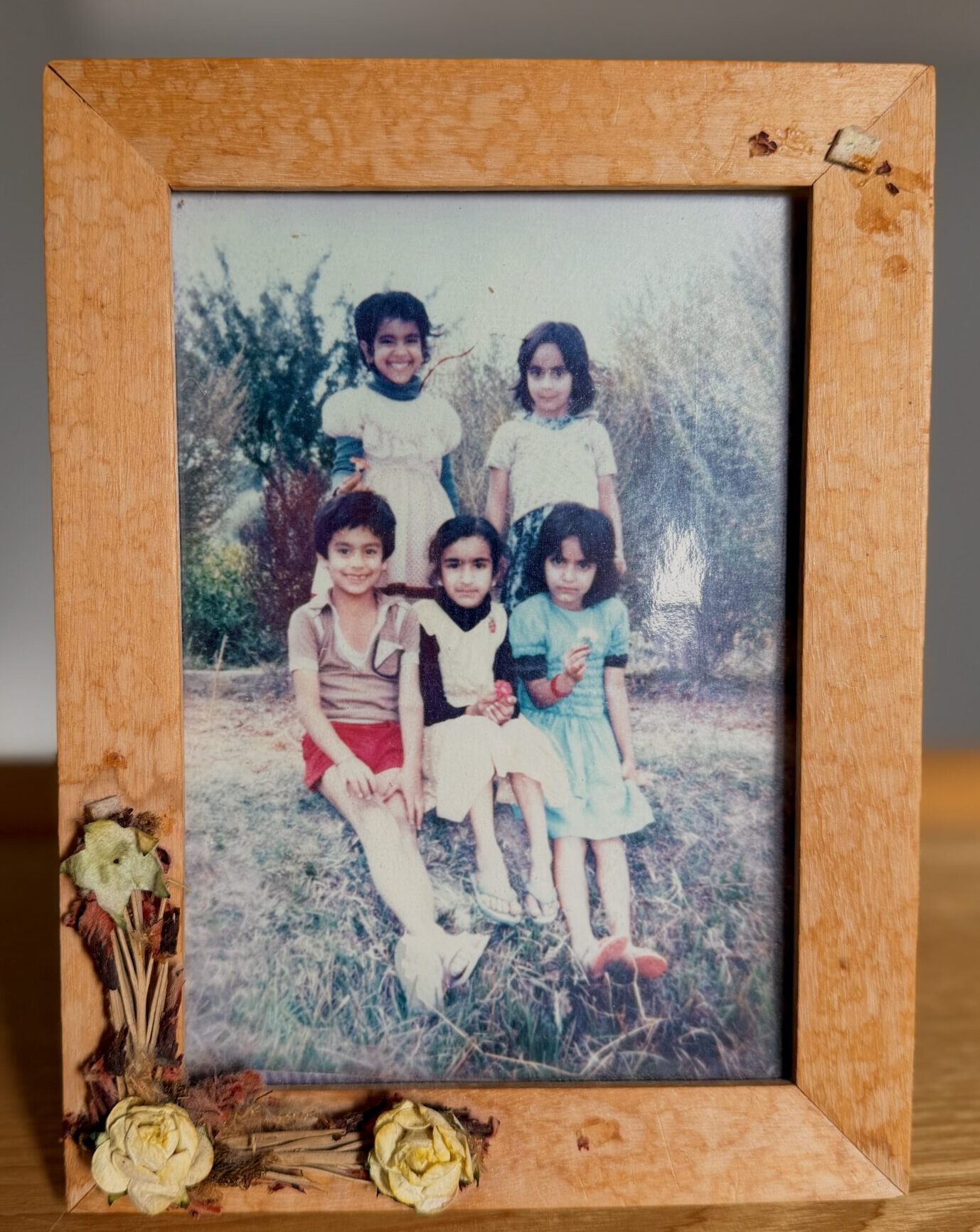
That girl, the one who might have grown up unhurried, unafraid, rooted in the most beautiful place on earth, was left at the gate in Kashmir. I have been looking for her, quietly, ever since.
And Then They Were Gone
But here is where my story takes the turn that no child should ever have to navigate. The turn I did not see coming, even after everything Kashmir had already taught me about loss.
We survived the militancy. We found our way back to something resembling life. And for a while, for a brief, precious while, I had them back. My father, with his quiet dignity, the same hands that had pressed gold into mine and sent me toward safety. My mother, with her voice that still knew how to make the world feel smaller and safer than it actually was.
And then, in 2002, I lost my father.
And in 2018, I lost my mother.
Death arrives the way it always does: with no regard for timing, no consideration for how much is still unfinished between people who love each other. Just like that, they were gone. Both of them. The two people who had built a paradise, lost it, survived the unsurvivable and somehow kept going. Gone.
The militants had tried to take my father once, with a note at a gate. They failed. But time, eventually, does what militancy could not.
What I Never Got to Say
I think about time differently now than I used to.
I think about how we were robbed of it first: the Kashmir years, the displacement, the borrowed house, the suspended childhood. I think about how, even after we came back to each other, there was always so much ground to cover and never quite enough hours to cover it in. How the years that militancy stole became a kind of debt that we were always trying to repay to one another, one ordinary afternoon at a time. And how death, arriving when it did, cancelled the debt before we could settle it.
I did not get enough time with them.
The most precious years, the tender, unrepeatable years of childhood when a parent's presence is not merely comforting but formative, those were taken by militants who cared nothing for a family's love story. And then, just as I was old enough to truly know my parents as people, not just as protectors, but as human beings with their own sorrows and joys and unfinished sentences, they were taken by something else entirely.
There are conversations I never had with my father. Questions I never asked. Things I understood about him only after he was gone, when understanding could no longer reach him. There are things my mother knew about me that she took with her: things she saw in me that I am still, years later, trying to see in myself.
They left before I was finished needing them. And I do not think I will ever stop being unfinished in that particular way.
A Letter to Two People Who Can No Longer Read It
Maa. Ba.
I know what you did. I have always known, even before I had the words for it. On the night that everything fell apart, you chose us. You pressed your entire life into our small hands and sent us toward safety, not knowing whether any of us would make it, not knowing whether you would ever hold us again.
And I have been living in the shadow of it, the warmth of it, ever since.
But I also want to say this, now, into the silence where you used to be:
I needed more time. We needed more time.
The militants took the early years. And then life moved too fast and there were always reasons to wait, always one more ordinary Tuesday that seemed like it would just keep coming and then it didn't. And now I am here with all these things I meant to say, all this catching-up I intended to do and there is nowhere left to send it.
The gold you gave me that night was spent, as gold is. But what you gave me could not be measured in weight or value: the memory of your courage, the example of your love, the knowledge that two ordinary people once chose their children's lives over their own comfort without a moment's hesitation. That I carry with me every single day. It does not get spent. It only grows heavier with time and more precious.
I miss you. I will always miss you. And I am sorry we did not have more time.
Paradise, Remembered
Kashmir is still there, they tell me. The chinars still burn gold in October. The Jhelum still runs. The saffron still blooms in Pampore like the earth's annual small miracle, indifferent to everything that has happened in its presence.
Gar firdaus bar ruye zamin ast, hamin ast o hamin ast o hamin ast. If there is a paradise on this earth, it is here. It is here. It is here.
I believe it. Even now. Even after everything.
But I am old enough now to understand that paradise is not a place. It never was. Paradise was a morning when my father was still in the next room and my mother's voice was still the first sound of the day. Paradise was ordinary. Paradise was theirs to give and mine to receive and we had so little of it together before everything took it away: first militancy, then time itself.
I carry Kashmir in my chest. And I carry them inside Kashmir, preserved there, in the only place where nothing can reach them anymore. My father, still and dignified, pressing gold into my small hands. My mother, smoothing my hair one last time before sending me out into a world she could not follow me into.
We lost Kashmir. We lost years. And then, in 2002 and 2018, I lost them.
They were here. They were magnificent. They survived the unsurvivable for us and they loved us with the kind of love that does not diminish with death, that becomes, if anything, more present in its absence, louder in the silence, more luminous the further you get from its source.
Some losses do not diminish with time. They only become more exquisitely, more unforgettably yours.
This one is mine. And the grief is just love with nowhere left to go. I would rather carry it, displaced and homeless as it is, than to have never had them at all.
For Ba, lost in 2002.
For Maa, lost in 2018.
And for every Kashmiri child who left a gate behind them and has been carrying that world ever since.
Shilpa Fotedar is a Director of Resource Management in the telecom industry, based in Delhi, where she lives with her husband and daughter. A fitness enthusiast with a love for home décor, fashion styling, and gardening, she brings creativity into every aspect of life. Through her lifestyle content, she shares styling inspiration, décor ideas, and glimpses of everyday living, encouraging others to embrace beauty, balance, and individuality.
I always believed you had the strength to overcome life’s challenges, but knowing and then reading about the loss of your parents and the struggles you endured has always left me deeply moved. Some wounds are beyond words, and yet you found the courage to share them. The Kashmir saga is painfully familiar to so many families who were forced to leave everything behind. Every family carries a story of loss, resilience, and survival stories that often remain untold and, sadly, may never be heard. It takes immense courage to bring those memories into the open, not for sympathy, but so that history is remembered through the voices of those who lived it. Your story may not change the past, but it will awaken remembrance, empathy, and pay tribute to countless people who fought unimaginable odds, rebuilt their lives with dignity, and refused to let adversity define them. Thank you for sharing something so deeply personal. It is not just your story it is a testament to the resilience of an entire generation.
Very well done, Shilpa. Wishing you continued strength and peace.
Your piece left me with tears in my eyes.
You have somehow put words to feelings I did not previously think could be expressed — feelings that stirred a silence within me, something I had left dormant and almost forgotten.
I read it several times, and each time it moved me in a different way.
Thank you for the extraordinary clarity of your expression, but more than that, for the courage to articulate some of the most painful sentiments a human being can carry — with such conviction, honesty and vulnerability. Your personal truth comes through so powerfully, and it resonates far more deeply than I can put into words.
What struck me particularly was the way you describe how time was first taken from you, and then how death came without any regard for how much remained unfinished between people who loved each other. That is such a profound truth. There are always conversations we think we will have, things we mean to say, moments we assume there will be time for — until suddenly there isn’t.
There is something profoundly universal in what you have written: the loss of home, the loss of time, the loss of parents, and the things left unsaid. And yet, through all that pain, there is also such love, dignity and resilience.
“The grief is just love with nowhere left to go” — that line will stay with me.
We can only pray for healing for the wounds that cannot be undone, strength to carry what cannot be changed, and peace for hearts that have carried so much for so long.
Thank you for sharing something so deeply personal. It is a gift, even through the pain.
We value your privacy. To improve your experience, we use cookies and similar technologies for the following purposes:
- Essential functions: These cookies make the site work properly and keep it secure.
- Analytics: These cookies help us understand how the site is used and improve performance.
- Personalisation and marketing: These cookies show relevant content and measure engagement.
You can choose which categories to allow. Your preferences will be saved for future visits, and you can change them at any time in Cookie Settings.
This website uses cookies
Websites store cookies to enhance functionality and personalise your experience. You can manage your preferences, but blocking some cookies may impact site performance and services.
Essential cookies enable basic functions and are necessary for the proper function of the website.
Name
Description
Duration
Cookie Preferences
This cookie is used to store the user's cookie consent preferences.
30 days
You can find more information in our Cookie Policy and .





Sandhir
I always believed you had the strength to overcome life’s challenges, but knowing and then reading about the loss of your parents and the struggles you endured has always left me deeply moved. Some wounds are beyond words, and yet you found the courage to share them. The Kashmir saga is painfully familiar to so many families who were forced to leave everything behind. Every family carries a story of loss, resilience, and survival stories that often remain untold and, sadly, may never be heard. It takes immense courage to bring those memories into the open, not for sympathy, but so that history is remembered through the voices of those who lived it. Your story may not change the past, but it will awaken remembrance, empathy, and pay tribute to countless people who fought unimaginable odds, rebuilt their lives with dignity, and refused to let adversity define them. Thank you for sharing something so deeply personal. It is not just your story it is a testament to the resilience of an entire generation.
Very well done, Shilpa. Wishing you continued strength and peace.
Cheers
Sandhir