




Rajender Koul
Rajender Koul, a resident of Talab Tillo, Jammu, is a retired officer from the State Bank of India. After decades of his first innings and very dedicated service in the banking sector, he now enjoys his second innings in the quiet rhythms of retired life. A keen observer of people and the world around him, Rajender Koul, has turned to writing as a way to reflect, create and reconnect with life’s deeper meanings. He spends his leisure time crafting short stories and capturing memories, experiences and moments that often go unnoticed in the everyday hustle. Through his thoughtful storytelling, he seeks to preserve personal and collective journeys of spiritual growth, humane love, loss, resilience and hope. Prayers and blessings a support to the world of ours we live. Jai Bhagwan ji
4 Comments
-
Urmila Dhar Zutshi
An unforgotten chapter of our tragic history. May Lord Shiva Bless 🙌 our youngsters with strength and courage to recreate the magic of our Motherland, Maej Kasheer 🪷🙏🪷
-
Sheetal Raina
Thank you for sharing this piece with ISBUND.
Every Kashmiri Pandit household had a small room for prayer, quietly tucked away in the attic, with little natural light—yet most glowed in the warmth of the chong (diya) lit each evening by the lady of the house. This sacred corner wasn’t just a place of worship; it was where stories came alive—of our heritage, our folklore… of Devtas who watched over us, of demons we tried to please and much more. These were the stories that truly mattered. This piece brings it all rushing back—thank you for giving voice to these memories. -
Rita Jailkhani
The write-up on Thokur kutha is echoes the soul voice of all Kashmiri Pandits in exile on this planet; This Thakur kutha where our ancestors worshipped the Deities did Take care of our kids in exile wherever they went in search of work or settlement: They are shining: unfortunately many heroes of this struggle left the world; but they gave the fight back: Echoes of our Thokur kutha still follow us and guide us ; God bless us all.


POST COMMENT
Related Posts

Thank You Jammu
Prashant Pandita, author of the bestseller 'The Jehlum Boys', reflect

A Kashmiri Tale of Love That Faced Death — and Won
Leela, a learned Kashmiri Pandit’s daughter, falls deeply in love wi

A House That Was My Home Once
Memories of a cherished family home in Kashmir linger as the author re

Rajnath’s Silent House
Rajnath Pandit had never pictured loneliness settling over him so comp

Anantnag and River Vitasta
In Anantnag, an old schoolteacher named Dwarikanath planted trees whos
The Ungrateful Son
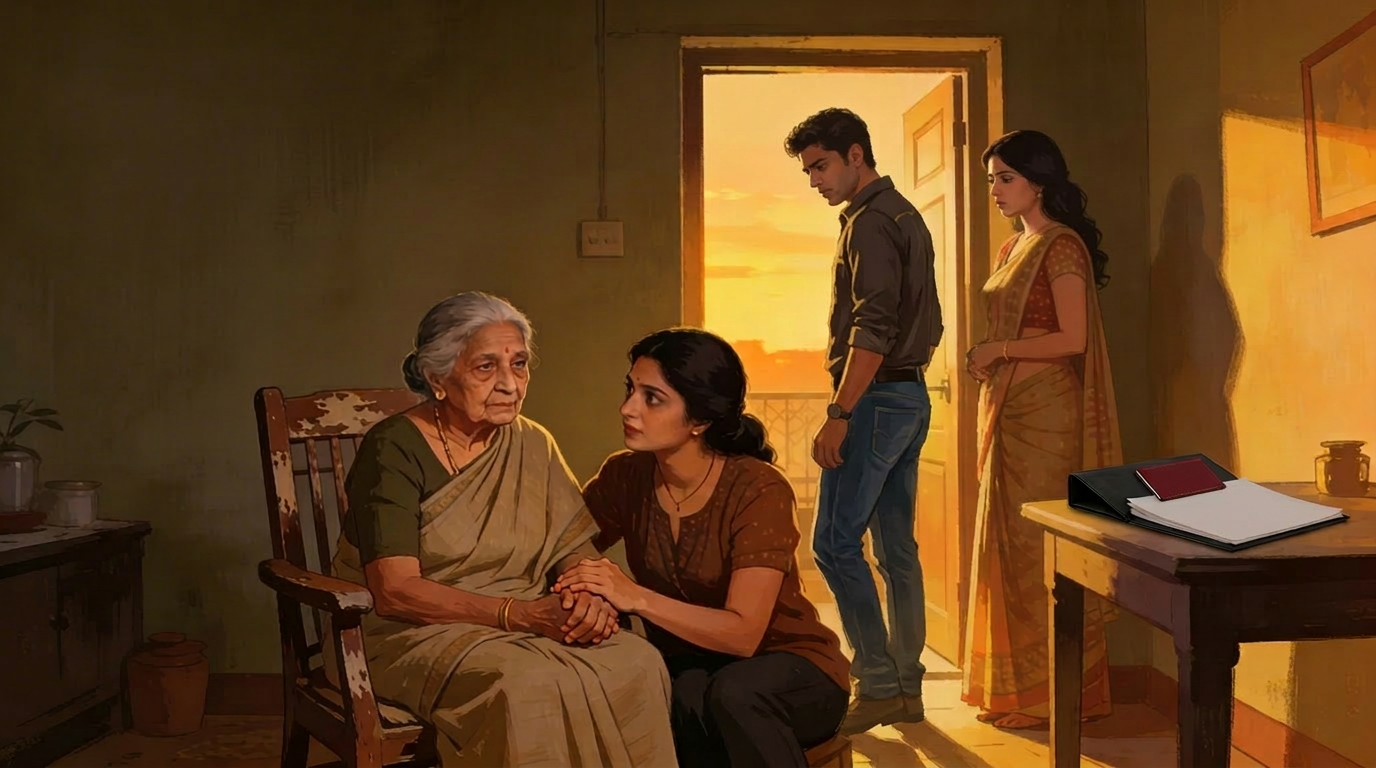
A moving tale of faith, motherhood, and the quiet strength of a woman
Aparna Kaul
Thokur kuth was usually a floor above the baithak and chokha. Very well written.