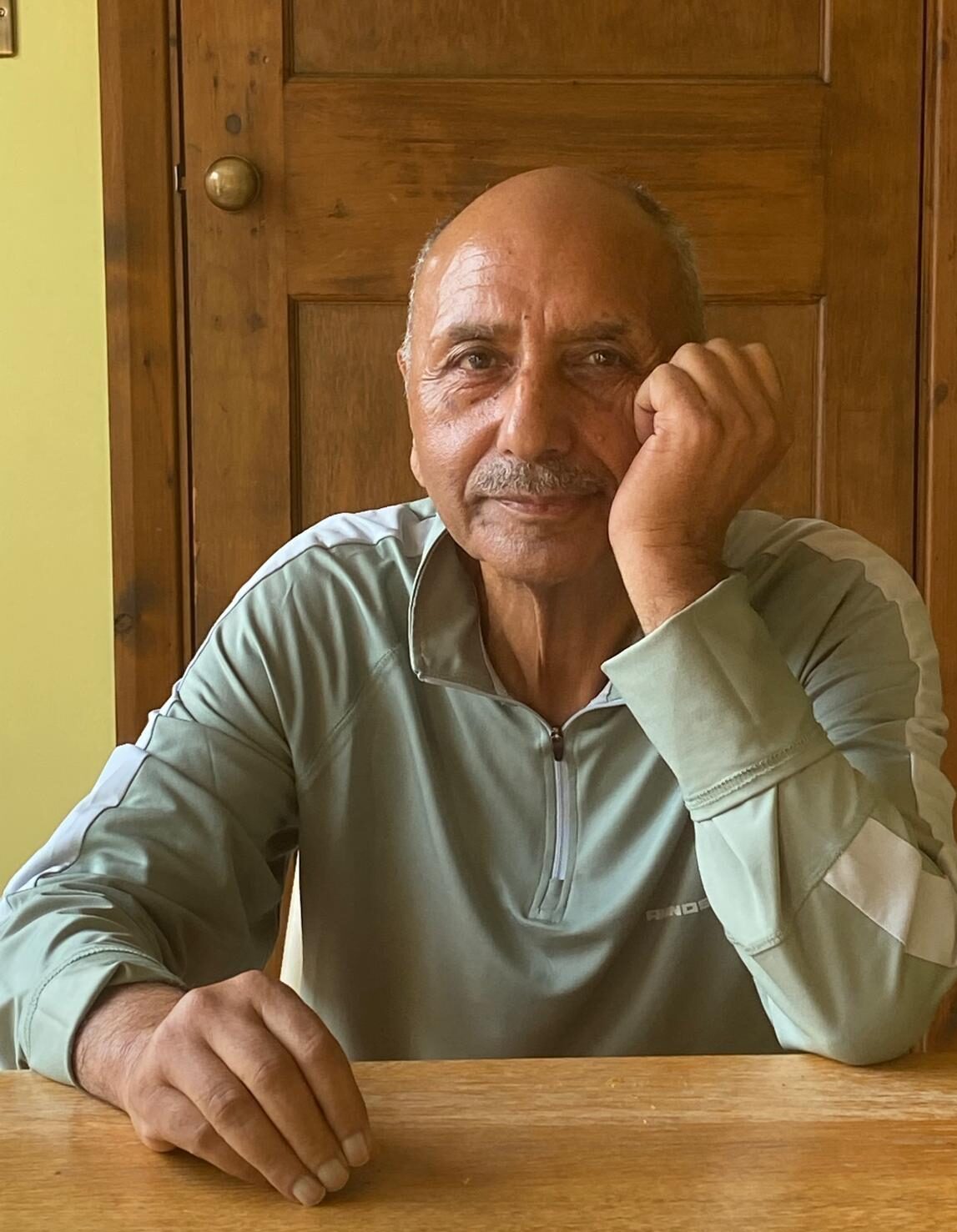

The Subtle Art of Doing Nothing
The Subtle Art of Doing Nothing: Why Millennials Are Opting for a Slow Life
In an era dominated by speed—where productivity is often equated with success—many Millennials are starting to embrace a radical concept: the art of doing nothing. This shift toward a slower lifestyle might seem counterintuitive in a fast-paced world, but it reflects a growing awareness of mental health, sustainability, and the need for balance. As they navigate the complexities of adulthood, many Millennials are discovering that the relentless hustle isn’t synonymous with happiness.
A Cultural Shift
For generations, the narrative surrounding success has been clear: work hard and ascend the ladder of achievement. However, Millennials, shaped by rapid technological advancements, economic instability, and an ever-increasing pace of life, are challenging this conventional wisdom. The world is more connected than ever, leading to the constant pressure to be ‘on’—to respond to emails immediately, keep up with social media, and maintain a dynamic schedule. This overwhelming demand has inspired a counter movement that seeks to reclaim the joy of leisure.
The Value of Slow Living
Slow living, as a lifestyle philosophy, emphasizes quality over quantity, mindfulness, and presence. It encourages individuals to slow down, appreciate small moments, and prioritize well-being over perpetual busyness. Millennials are increasingly adopting this philosophy, recognizing the psychological toll that hustle culture can take. Research shows that excessive stress and burnout are prevalent among young professionals, leading many to reconsider their priorities.
This is reflected in the rise of trends such as minimalism, mindfulness, and sustainable living. Millennials are gradually shifting their focus from material accumulation toward experiences, relationships, and self-care. In essence, they are opting for a lifestyle that fosters satisfaction and fulfillment.
Finding Joy in Stillness
The growing appreciation for the art of doing nothing encourages individuals to embrace stillness—a concept that can seem foreign in an action-oriented society. This does not imply aimlessness but rather a purposeful choice to step back, reflect, and engage in non-productive activities. Activities like reading, walking in nature, or simply enjoying quiet moments can foster creativity, enhance well-being, and cultivate deeper connections with oneself and others.
Moreover, this approach has implications for productivity. A well-deserved break can lead to greater efficiency and creativity when tackling tasks. Embracing moments of idleness can recharge the mind, helping individuals return to their work with renewed perspective and energy.
The Role of Technology
Interestingly, as digital natives, Millennials face unique challenges in their pursuit of a slower life. Technology, while enabling constant connectivity, also poses distractions and pressure. However, many are learning to set boundaries. Digital detoxes and mindful consumption of social media are becoming more commonplace, allowing individuals to reclaim their time and focus on what truly matters to them.
Apps and online communities dedicated to promoting slow living, mindfulness, and mental well-being further reflect this cultural trend, serving as resources for those navigating the nuances of this lifestyle.
A Movement Towards Mindfulness
Following the pandemic, many have emerged with a newfound appreciation for life’s simple pleasures. The global pause forced individuals to reassess their priorities—family, health, and personal joy became paramount. As a result, the slow life movement has gained significant momentum, with many Millennials recognizing the importance of a balanced existence that integrates downtime.
As they move forward, Millennials are redefining success—not through outward accomplishments but through internal satisfaction and personal happiness. It’s about cherishing moments, nurturing relationships, and cultivating joy outside the constraints of societal expectations.
Conclusion
The subtle art of doing nothing is not merely an act of rebellion against a culture of busyness but a heartfelt embrace of mindfulness and intentional living. As Millennials continue to advocate for a slower pace, they pave the way for future generations to appreciate the richness of life that comes from being present. By prioritising well-being and the art of doing nothing, they are charting a course toward a more balanced, fulfilling existence. In the quest for happiness, sometimes the best action is inaction—a lesson that may hold profound implications for society as a whole.
Manish Barman
Dr Manish Barman, MD, FRCP Edin., known online as @Lyfe_Medix, is a physician, longevity researcher and author of “Jug Jug Jeeyo – The Longevity Playbook”, a modern-day guide to healthy ageing. With years of experience bridging the worlds of evidence-based medicine and real-life lifestyle change, Dr Barman brings humour, heart and hard science to everything he writes. When he’s not helping people reverse chronic illness or rethink their dinner plates, he’s probably sipping ginger tea, avoiding late-night snacks, or telling his patients (and his readers) that it's never too late to start again — one small habit at a time.
1 Comment
POST COMMENT Cancel reply
Related Posts
Loochi
Anita Raina Kotwal Ingredients: Maida (plain flour) 500 gram Oil to kn
Travel Essentials and Oddities
Our travel essential survey results were awesome, a snapshot of the be
Reflections: Working in the NHS During COVID-19
Dr Nikhil GanjooPaediatric Consultant with Neonatal Expertise Let’s
Addition-The Biggest Flaw in Human Thinking and Behaviour
We humans have somehow come to perceive that we progress mainly by a p
Sunscreen, Summer and Staying Safe in the Sun
With summer just around the corner, many of us in the UK are looking f
Songs From Nothing: The Endangered Art of Being Bored
In a world obsessed with constant stimulation, Songs From Nothing expl


Minesh Khashu
Nice one Manish!
This is important not just for Millenials but more so for our children. During our childhood we would spend hours and hours doing “nothing” which helped facilitate our ability to think, introspect and create. For children today, all the “awake” hours are dedicated to specific “tasks”, one after the other and there is no time to do “nothing”.
This needs to change, as otherwise, we will be limiting the ability of the future generations to embrace SILENCE, SOLITUDE AND SOUL FOOD.
🙏