I was a child when the chants outside our home became the soundtrack of my early years.
“Hum kya chahte?
Azadi!”
“Naray-e-Takbeer!
Allahu Akbar!”
The voices echoed through our street every single day, so often that my cousins and I had memorised them, reciting them like rhymes without understanding their weight.
I remember walking home with my mother, her arm wrapped tightly around my little sister as she held my hand and hurried me along. Stones clattered all around us like angry hail. A crowd stood ahead, raising their hands in a victory sign, and I, too small to understand, proudly flashed the same sign back at them. It was my way of being brave, though I didn’t really know what bravery meant.
Every day was like that. Crossfire in the evenings, families waiting at doorsteps for fathers to return home safely. We were five children in a sprawling joint family, and somehow, all that fear seemed normal. Curfews meant no school, which to us was a treat. When the army fired tear gas shells, we rubbed our stinging eyes and went right back to playing in the courtyard.
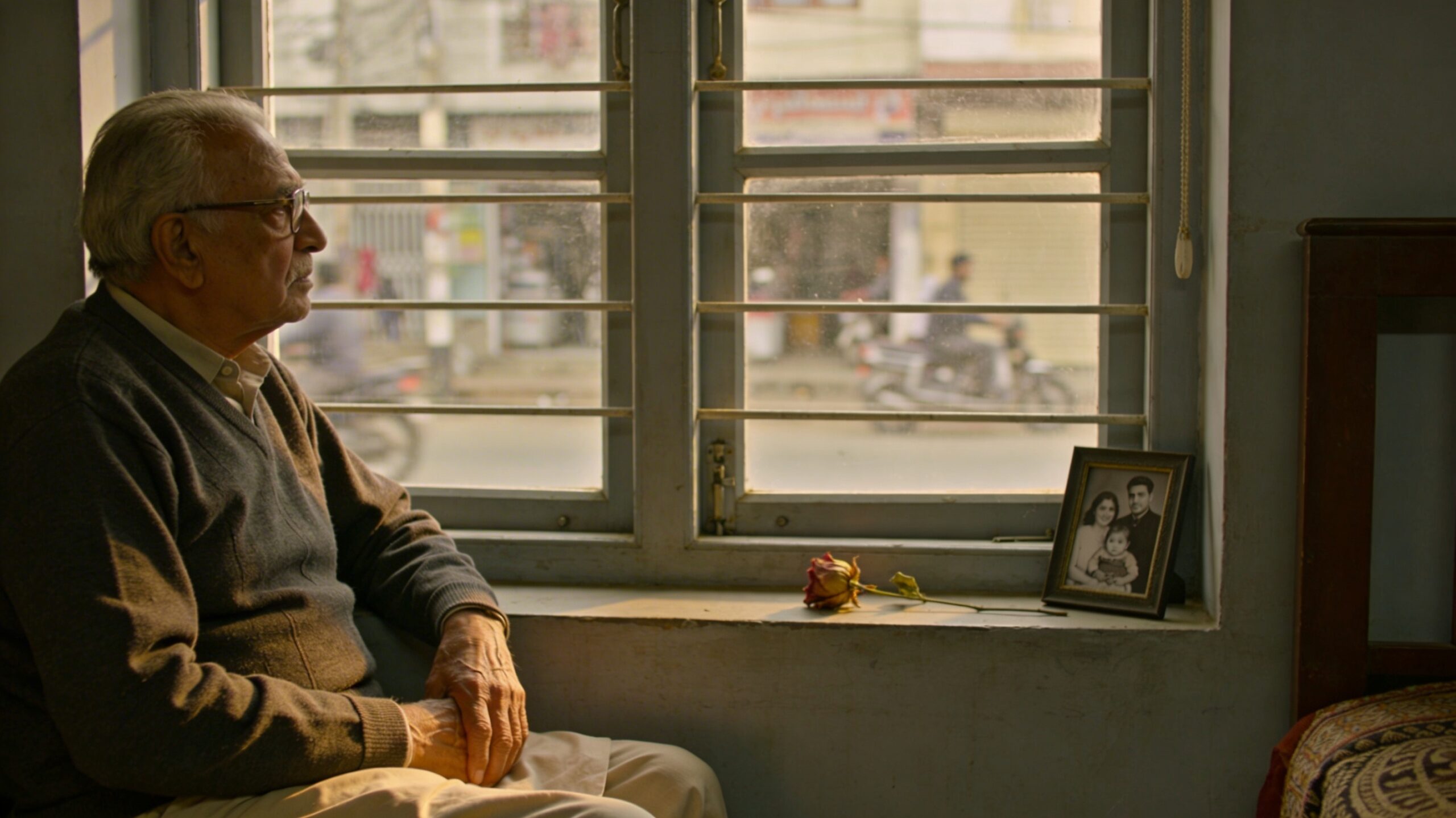
Even in those dark days, my father found ways to bring joy home. He’d rent VCRs and cassettes, and since no one could leave the house to return them because of the curfew, we ended up having long, movie-filled marathons. I still remember the flickering images of Ramayana and Mahabharata on the TV, India winning matches against Pakistan, and all of us huddled together, curtains drawn tight so no one outside could see the soft glow of our tiny inverter-powered television. Outside, they shouted for freedom. Inside, we whispered, careful not to be heard. What they called Azadi felt like walls quietly closing in, like doors locking from the outside—our freedom shrinking, room by room.
One morning, seemingly calm and bright, I took my little sister and a cousin to the nearby Shiv temple. I was only eight, but I felt grown up, responsible. We’d barely stepped out of the temple street when the blast ripped through the air. People screamed, scattering like leaves in a storm. I stood frozen, clutching my sister’s tiny hand, and then Papa appeared—his face pale, tears in his eyes. He scooped us up like treasures he’d almost lost.
But even that day, to my young mind, it felt like a scene from one of the movies we watched. Death and fear never truly sank in. Maybe children have a way of shielding themselves from reality.
The danger grew closer. A journalist was shot dead right on our street, on Maha Shivratri, our biggest festival. That was when my elder cousins and the older girls were quietly sent to Jammu, smuggled away like secrets. And soon, the decision came: we all had to leave.
“Just for fifteen days,” they told us.
We packed like we were going on holiday. My grandmother carefully sealed rice and spices in jars, certain we’d come back soon. My sister and I didn’t even take our dolls—we’d play with them when we returned.
We were supposed to leave in a video coach bus at 4 AM. I couldn’t sleep that night, too excited about the trip. I imagined the thrill of watching a movie on the bus, the adventure of seeing Jammu. But when the time came, a rickety truck with a covered trolley pulled up instead. Only later would I learn why—the bus driver had been killed.
We climbed into the truck in the freezing March air of Kashmir, wrapped in blankets, and were given strict instructions not to step out until we reached Jammu. Not even to pee. I was only eight, and I thought it was an adventure. An exciting movie scene. I had no idea we were leaving behind everything that made us us.
That’s how they gave us Azadi.
Azadi from the warmth of our homes, left behind with cupboards still full.
Azadi from the streets that had carried our laughter and our fear.
Azadi from our temples and festivals, from the smell of our kitchens, from the comfort of knowing which window creaked at night.
Azadi from our childhood, hurriedly folded into a few blankets and jars of rice.
We were told we’d come back in fifteen days.
But those fifteen days stretched into years, and years into a lifetime.
We never went back.









Sheetal
Like you, I was that child who felt deeply responsible for my younger sister’s safety, even when I could barely take care of myself. The slogans you describe still echo with such fear in me that I never wanted to understand what they really meant either; it was enough that they carved anxiety and dread into thousands of children like us. Thank you for finding the courage to share your story – I know how painful it is to relive those memories, even 36 years later, and I hope that speaking them out brings a little more healing and freedom back to you.