A Memoir of Exile, Faith, and Unbroken Friendship with the Homeland
I write this not as a historian, but as a witness, a victim, and a custodian of memory.
I was born at House No. 116, Nai Sadak, Srinagar, Kashmir, and how shockingly I grew old, instantly, in my youth, in the early days of life outside it. Between those two truths lies the story of my people, my family, my faith, and a child, a grown boy, who remembered what we were slowly being forced to forget.
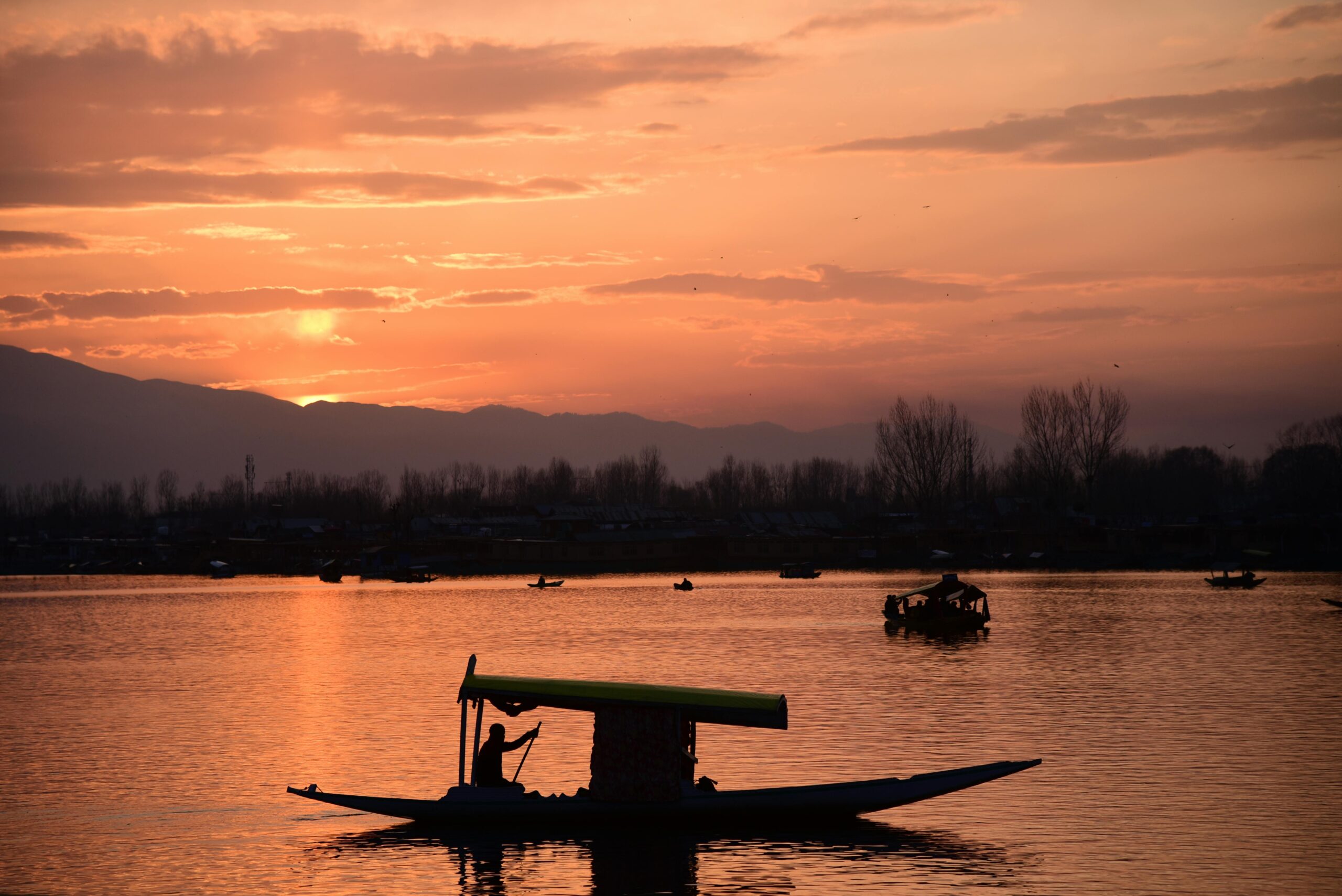
Homeland, our own Panun Kashmir, was not a place; it was a way of living. In Kashmir, life did not begin with noise. It began with stillness.
Mornings unfolded gently, temple bells merging with river sounds, the smell of damp earth, and snow-fed air touching the lungs like a blessing.
We woke before sunrise, not out of discipline but devotion. The soulful aarti, Assayan Sharan kartam Daya, the Ganpatyar temple bells, and the Gayatri Mantra were not recited loudly; they were breathed.
Kitchens were sacred spaces. Food was cooked patiently and offered inwardly before it was eaten. Every home had a thokur-kuth, a prayer corner where gods were not worshipped as rulers but respected as elders.
Religion was not performance; it was rhythm. Our Adideva Maha Ganpat, at Ganpatyar Temple, showered His bliss.
Bhagwan Gopinath Ji Maharaj lived with us, not on pedestals, but in conduct. His silence taught restraint. His renunciation taught dignity. His life taught us that suffering does not demand bitterness.
Then one day, fear entered our lanes. It did not shout; it whispered. Names were marked. Threats slid under doors. Nights grew longer. Parents spoke in coded language. Children learned silence too early.
We left Kashmir not because we wanted to, but because survival demanded it.
From homes to tents, faith became our shelter. Exile stripped us of geography, but not of identity.
We lived in tents with canvas roofs that flapped in heat and cold, floors that burned in summer and froze in winter.
The scorching weather tested us all. Amidst it, snake bites, strokes, trauma, and shock claimed many lives, young and old, along roads, in lanes, in tents, and in solitary confinement in abandoned homes across the hot belt of Jammu.
Yet in spite of this, we faced that holocaust of time with courage and strength. We walked the road ahead with determination and commitment.
Though our dignity thinned and pride dissolved in cooking gas lines and ration queues, every evening, without fail, we lit the lamp. We remembered and prayed to our gods, not because it changed our condition, but because it reminded us who we were.
We carried our gods wrapped in cloth. We carried rituals in memory. We celebrated Herath in cramped spaces, walnuts soaked in steel bowls, kalash placed on borrowed tables, and children taught that Shiva represents balance, not power.
We adapted without dilution.
Years passed. Slowly and painfully, we built a house of our own, brick by brick, salary by salary, sacrifice by sacrifice. People congratulated us.
They said we had settled. But settlement is not belonging.
For over two decades, we lived in that house, yet every evening’s prayer returned to the same ache:
“This is a house, but not home.”
We kept the keys to our abandoned house in Kashmir. We spoke of return not as politics, but as prayer.
We prayed to Shankar Bhagwan and Bhagwan Gopinath Ji Maharaj, not for miracles, but for dignity.
The Child Who Disturbed Our Silence
It was my cousin’s granddaughter, Sheen, born thirty years after the exodus, who awakened something we had buried beneath patience. She was barely four when she began speaking of things no one had taught her.
She spoke of narrow lanes lined with walnut trees, of a house with a sloping roof, of a river curving “like a sleeping snake.” She named utensils no longer used and rituals no longer spoken aloud.
She corrected directions. She cried at night, asking why her home was locked. Most unsettling was this:
“I was not Sheen,” she would say calmly. “I lived near the old temple. I died when the pain did not stop.”
At first, we smiled nervously. “Children imagine,” we told ourselves. “Trauma travels through generations,” elders whispered.
But the child persisted. She named people long unspoken of. She described a house whose colour matched old records.
An old teacher tested her memory carefully, asking for address, layout, and family names. Everything matched.
Memory defied logic. But this was not about proof. It was about purpose.
One evening, when her grandmother placed the photograph of Bhagwan Gopinath Ji Maharaj near the lamp, Sheen folded her hands and said something that silenced the room:
“He told me I would come back, but not yet. First, I must help others remember.”
What the Child Returned to Us
Sheen did not trap herself in the past; she transformed it.
She grew into a young woman, rooted yet fearless. She studied history, law, and public policy, not for ambition, but for responsibility.
She spoke not with anger but with clarity. She spoke of return without hatred, justice without violence, and reconciliation without erasure.
Where elders prayed silently, she spoke publicly. Where parents hesitated, she stepped forward.
People began to say, “She carries something old.” “She remembers what we forgot.” “She is not just born, she is sent.”
I understood then that exile had not erased us. It had only delayed us. Some souls return not to relive life, but to complete unfinished prayers.
The Grandfather’s Realisation
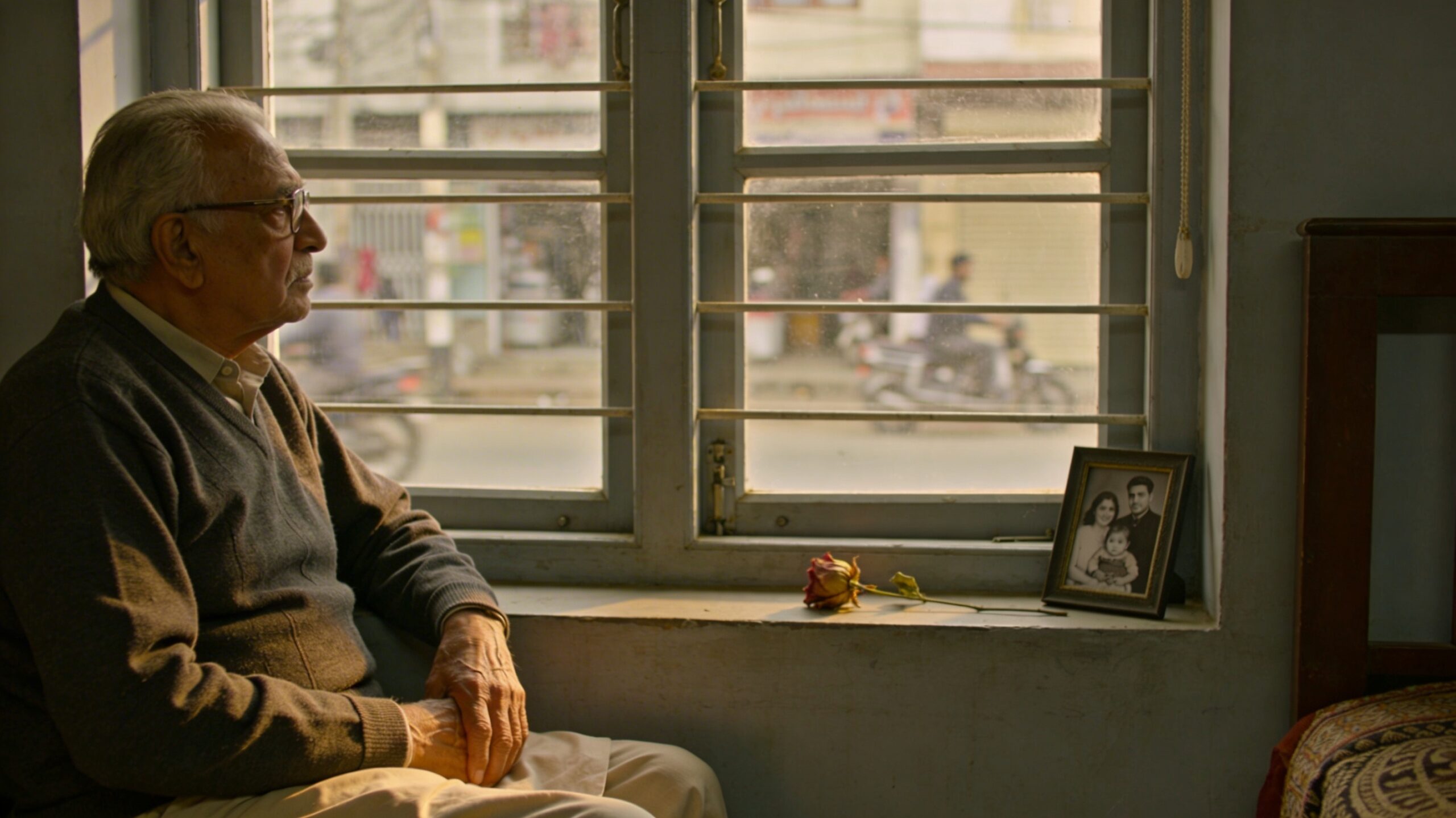
I am an old man now. My hands tremble when I light the evening lamp, not because of age alone, but because memory has weight.
I once asked Bhagwan Gopinath Ji Maharaj, “Is our suffering punishment?” The answer came not in words, but in understanding.
Some communities are not meant to rule history. They are meant to preserve it.
Sheen listens to elders. She records stories that would otherwise vanish. She knows village names that exist only in memory.
She understands that return is not merely physical; it is civilisational.
She often says, “If we forget who we were, even return will mean nothing.” That is wisdom not taught in schools.
A Vision of Return
Sometimes, late at night, I imagine return, not dramatic, not violent, not hurried.
I see old locks opening without fear. Temples cleaned with reverence, not rage.
Children learning Kashmiri again, not as a lost language, but a living one.
I see reconciliation built on truth, not silence.
I see homes rebuilt, not as trophies, but as continuity.
And I see Bhagwan Gopinath Ji Maharaj’s presence, not as miracle, but as reminder:
Return without humility is conquest.
Return with humility is homecoming.
The Everlasting Message
This is not merely a story of reincarnation; it is a story of responsibility across generations.
Some inherit land, some inherit wealth, and some inherit memory, and must guard it fiercely. Land can be lost. Homes can be abandoned. But identity survives if memory is protected and faith is lived.
True strength lies not in forgetting pain, but in refusing to transmit hatred.
True justice lies not in erasing the past, but in acknowledging it fully.
Sometimes, the answer to decades of prayer is not a miracle, but a child who remembers, a voice that rises, a soul that returns to lead others home.
Final Benediction
May those born in exile know where they come from.
May suffering not turn into bitterness.
May return come, not as reaction, but as resolution.
And may Bhagwan Gopinath Ji Maharaj bless this journey, from tents to houses, from memory to movement, from prayer to possibility.
Some stories are not meant to end. They are meant to wait until the time is worthy of them.
I love my Kashmir, my Panun Kashmir.







POST COMMENT