A Long Generational Narrative of a Kashmiri Pandit Family
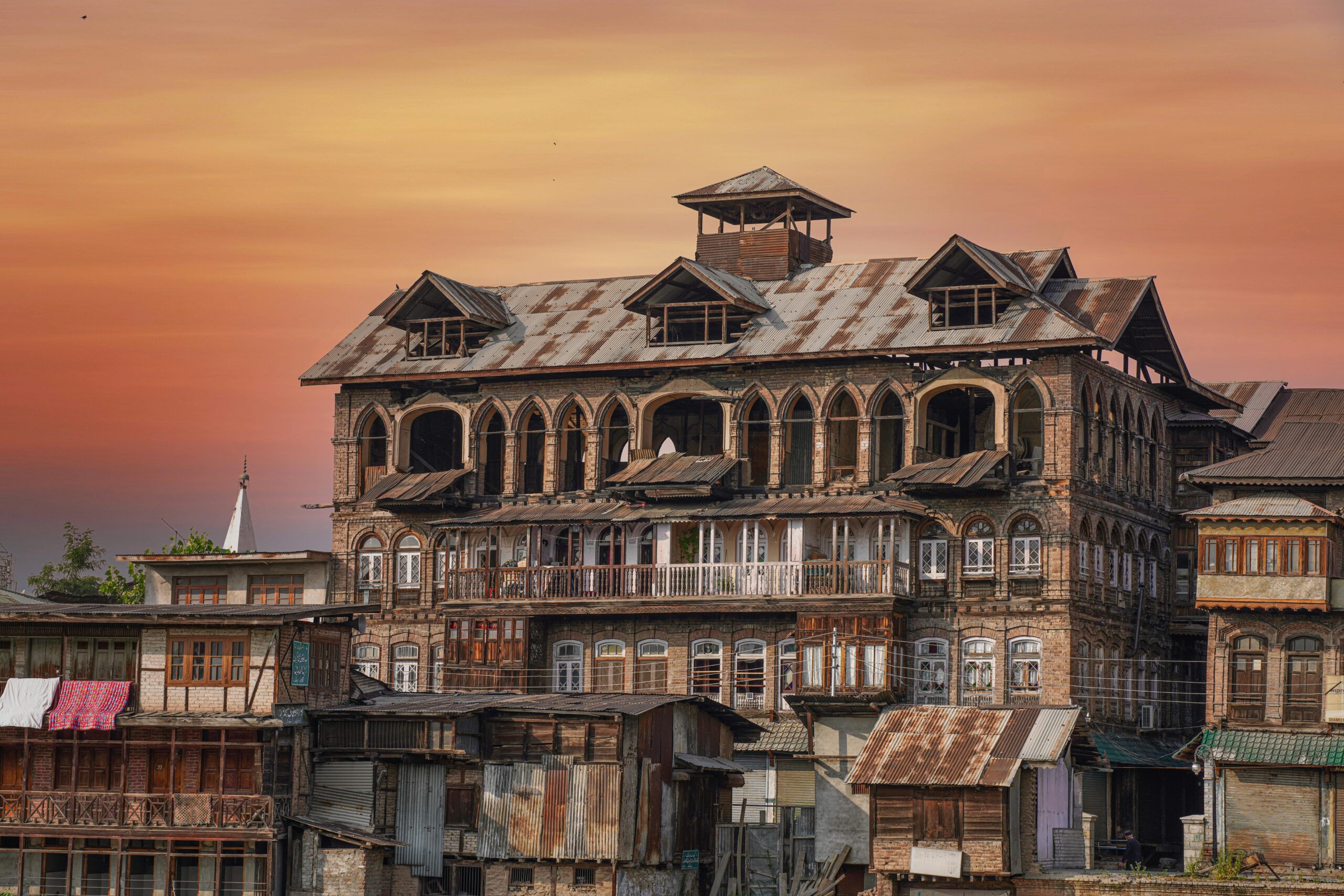
In the old mohalla of Rainawari in Srinagar, where narrow lanes curved like memory itself and wooden lattice windows leaned toward each other as if whispering ancestral secrets, stood the modest yet dignified house of Pandit Jiya Lal Koul.
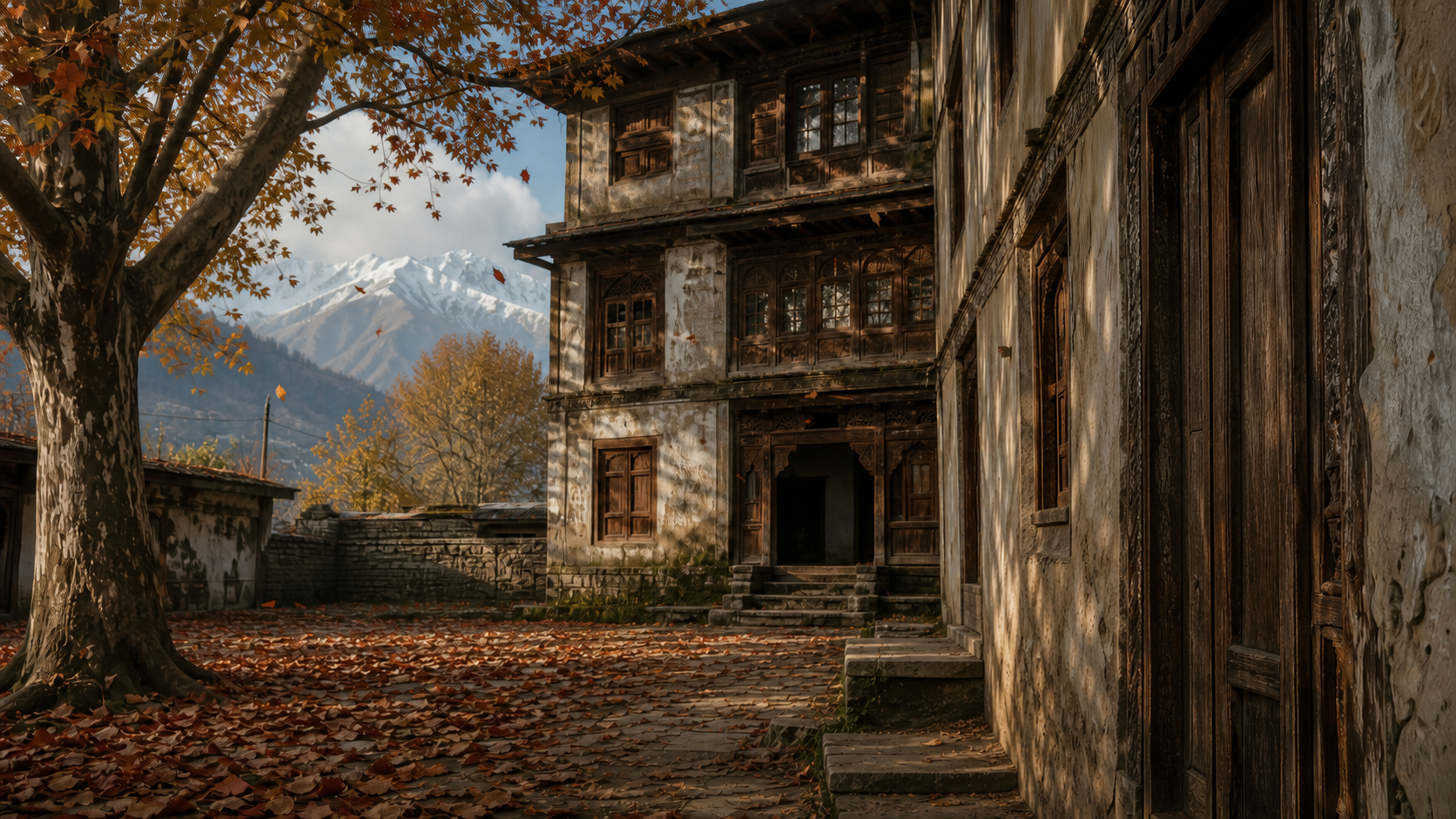
It was not a grand house. Its paint had faded with time. Its courtyard stones were cracked by winter frost. Its wooden beams carried the weight of decades.
Yet within those aging walls lived something far more precious than comfort or wealth: a lineage of love, a culture of dignity, and a lifetime of silent sacrifices.
Pandit Jiya Lal was a schoolteacher — stern in discipline but deeply gentle in heart. His wife, Kishni, was known throughout the neighbourhood as “Kishni Ded” — the motherly soul whose kitchen never turned anyone away, whether neighbour, passerby, or stranger.
They had two sons. Avtar Krishen, the elder — calm, thoughtful, responsible beyond his years. Deepak, the younger — lively, emotional, and impulsive, yet deeply affectionate.
From childhood, the brothers were inseparable. They studied under the same dim kerosene lamp on long winter evenings. They shared a single quilt during snow-heavy nights. They fought playfully over kangris, only to fall asleep side by side minutes later.
Often, Jiya Lal would watch them quietly, his eyes filled with pride, and say, “These two are not sons… they are two eyes of my soul.”
The Golden Years of Togetherness
Life in that home flowed like a gentle river — simple, steady, and full of warmth. Morning prayers rose softly into the cold Kashmiri air. Kishni prepared steaming noon chai while humming folk songs. Jiya Lal read the newspaper aloud, explaining world events as if addressing a classroom. The boys teased each other over breakfast.
Even when turbulent times forced the family to leave their beloved homeland during the painful migration of 1990, their bond remained unbroken. In the scorching heat of Jammu’s migrant camps, where tin-roof shelters replaced ancestral homes, they rebuilt life from scratch.
Jiya Lal tutored children under dim lights to earn money. Kishni stitched pherans late into the night. Avtar studied relentlessly and eventually secured a government job. Deepak started a small business with youthful determination.
Through poverty, uncertainty, and displacement, one thing never changed: their unity. Neighbours often admired them, saying, “This family has lost their land, but not their heart.”
The Turning Point — Marriage and Change
Years passed, bringing stability and hope. Then came the day every parent dreams of — the marriages of their sons.
Avtar married Shobha, an educated and practical woman who valued independence. Deepak married Neelam, vibrant, ambitious, and outspoken.
At first, the house filled with new joy. Wedding songs echoed. New utensils clinked in the kitchen. Laughter multiplied. Festivals felt brighter. Kishni’s heart overflowed with happiness. “Now,” she would say, “this home is truly complete.”
But life rarely changes through storms alone. Sometimes, it changes through the silent drift of misunderstanding.
The Seeds of Distance
The first changes were subtle. Shobha preferred privacy and personal space. Neelam often felt the family favoured the elder brother. Small differences began turning into silent resentments.
One day, Shobha spoke gently yet firmly: “Mummy ji, it would be better if we manage our own kitchen. It will be more comfortable.”
The words were polite. But to Kishni, they pierced like a silent arrow. For her, the kitchen was not merely a place of cooking — it was the sacred heart of family unity.
Soon, two stoves burned in the same house. Then two meal timings emerged. Then two separate routines. Then two emotional worlds.
The Wedge Deepens
Financial differences worsened the tension. Deepak began feeling overshadowed by Avtar’s stable government job. Neelam’s insecurity grew, and she often whispered to Deepak, “Your brother thinks everything belongs to him — even this house.”
Avtar, hurt by these suspicions, withdrew emotionally. Deepak’s frustration turned into anger. Arguments became frequent. The house that once echoed with laughter now echoed with slamming doors, sharp words, and heavy silence.
Jiya Lal watched helplessly. The man who had taught generations about unity could not keep his own family together.
The Night That Changed Everything
One cold winter night, a heated argument erupted over property division. Voices rose. Accusations flew. In a moment of rage, Deepak shouted, “We will live separately! This house is not a home anymore!”
Those words shattered something deep within Jiya Lal. It was not merely a declaration — it was the breaking of a sacred thread woven over decades.
That night, Kishni wept silently, whispering, “We raised sons… not strangers.” Jiya Lal had no answer. Only tears.
Years of Silence
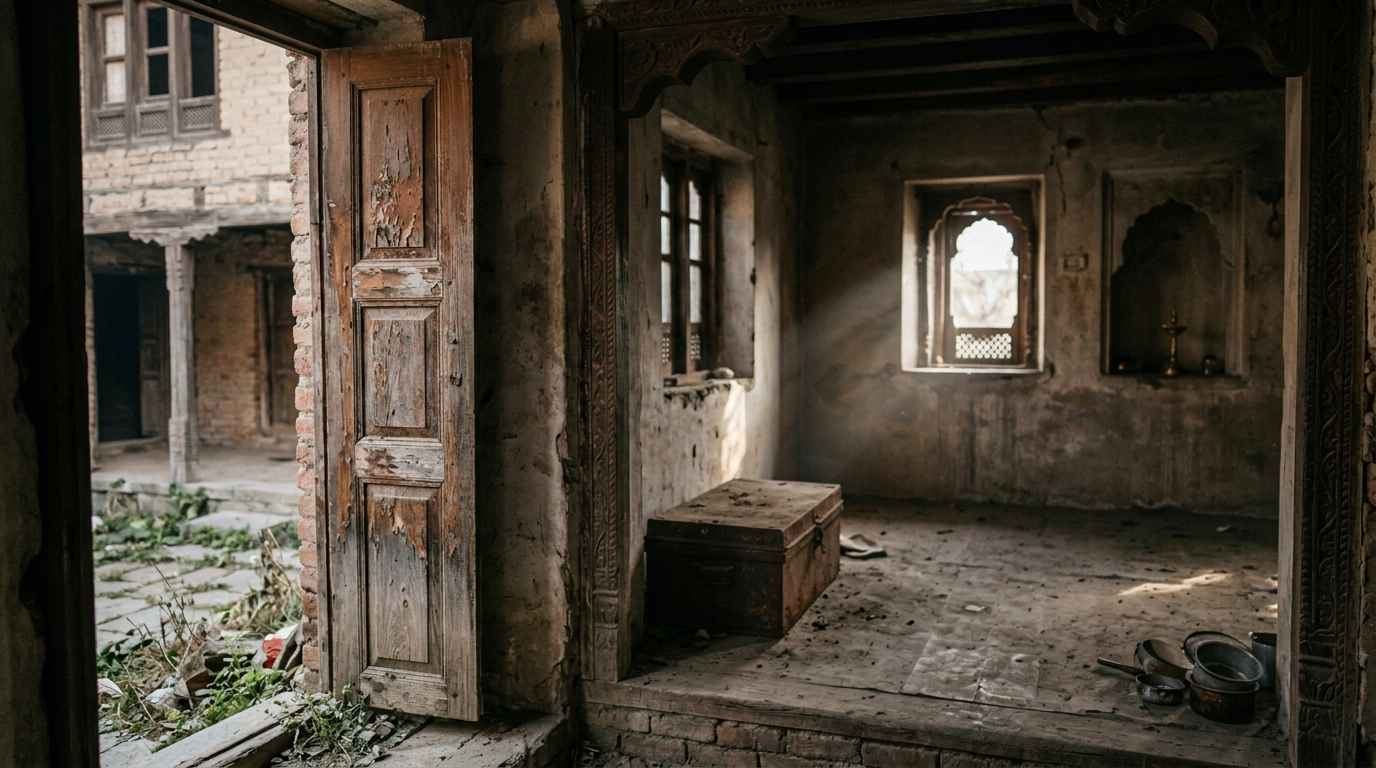
Deepak eventually moved out. Avtar grew emotionally distant. Festivals were celebrated separately. Conversations stopped. Footsteps faded. The once-lively courtyard stood silent.
Time aged Jiya Lal rapidly. Kishni’s eyes waited daily at the gate, but no familiar footsteps returned. Their grief was not loud — it was quiet, like a slow-burning lamp.
The New Generation Awakens
Years passed. Grandchildren grew up unaware of the warmth of a joint family. But truth has a way of resurfacing.
Avtar’s son Rohit discovered old family albums. Deepak’s daughter Aarushi found a letter written by their grandfather. Both arrived at the same painful truth: there had never been hatred — only ego, pride, and silence.
The children refused to inherit that silence. Without informing their parents, they visited their grandparents together. When Kishni opened the door and saw their faces, she trembled. In their eyes, she saw her sons again. And for the first time in decades, her heart felt alive.
The Reunion
When Jiya Lal fell seriously ill, the grandchildren brought both sons to his bedside. Standing in the hospital room, Avtar and Deepak could not look at each other. Years of unspoken pain filled the air.
Jiya Lal whispered with fading strength, “I gave you life… but you gave me loneliness.”
His trembling hand stretched outward. Slowly, both sons held it. Their hands touched — after decades. Tears flowed. Deepak sobbed, “Forgive me, Bhai.” Avtar replied, “No… forgive me.”
In that moment, the sacred thread was rewoven.
The Final Legacy
Jiya Lal passed away peacefully soon after, but his last lesson remained alive. Years later, the same house once again filled with laughter. The grandchildren ensured that festivals were celebrated together, meals were shared from one kitchen, and stories of unity were preserved.
Aarushi wrote in her diary: “Our grandfather left us no wealth. He left us wisdom.”
The Eternal Lesson for Society
This is not just one family’s story — it is the story of countless homes today. Homes do not collapse because of poverty. They collapse when ego replaces empathy, independence replaces interdependence, and silence replaces communication.
Relationships are like sacred threads. They do not break suddenly — they fray slowly, through pride, misunderstanding, and neglect. But if even one heart chooses love over ego, they can always be rewoven.
Final Reflection
In a world rushing toward individual success, this story reminds us: success without family warmth is emptiness, comfort without connection is loneliness, and pride without compassion is destruction. The greatest strength of any home is not wealth or status — it is the courage to forgive.
A Closing Blessing
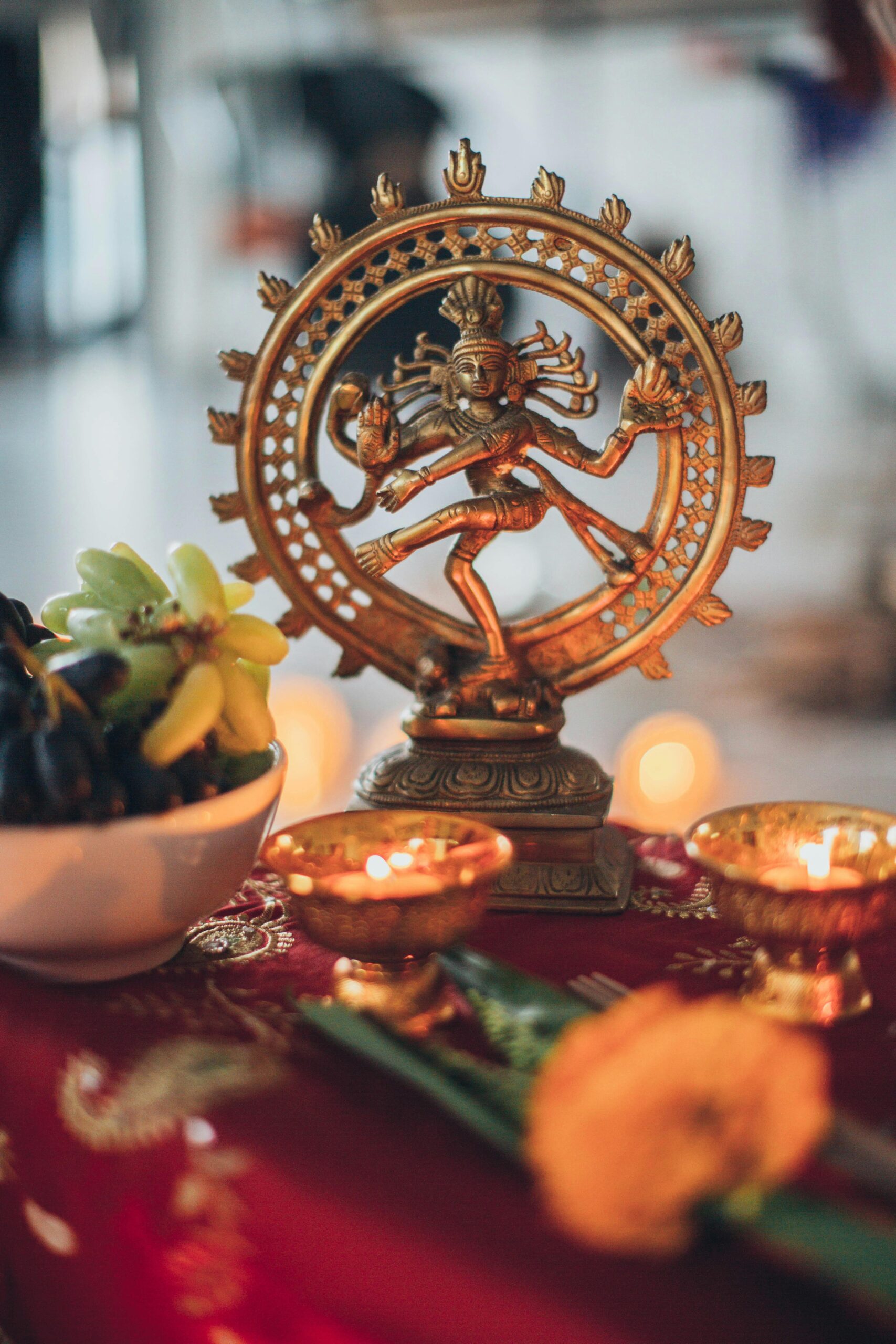
May every generation learn to protect the sacred threads of relationships. May we listen before judging. May we forgive before losing. May we choose love before pride. May Mahadev bless every home with unity, wisdom, and compassion.







POST COMMENT