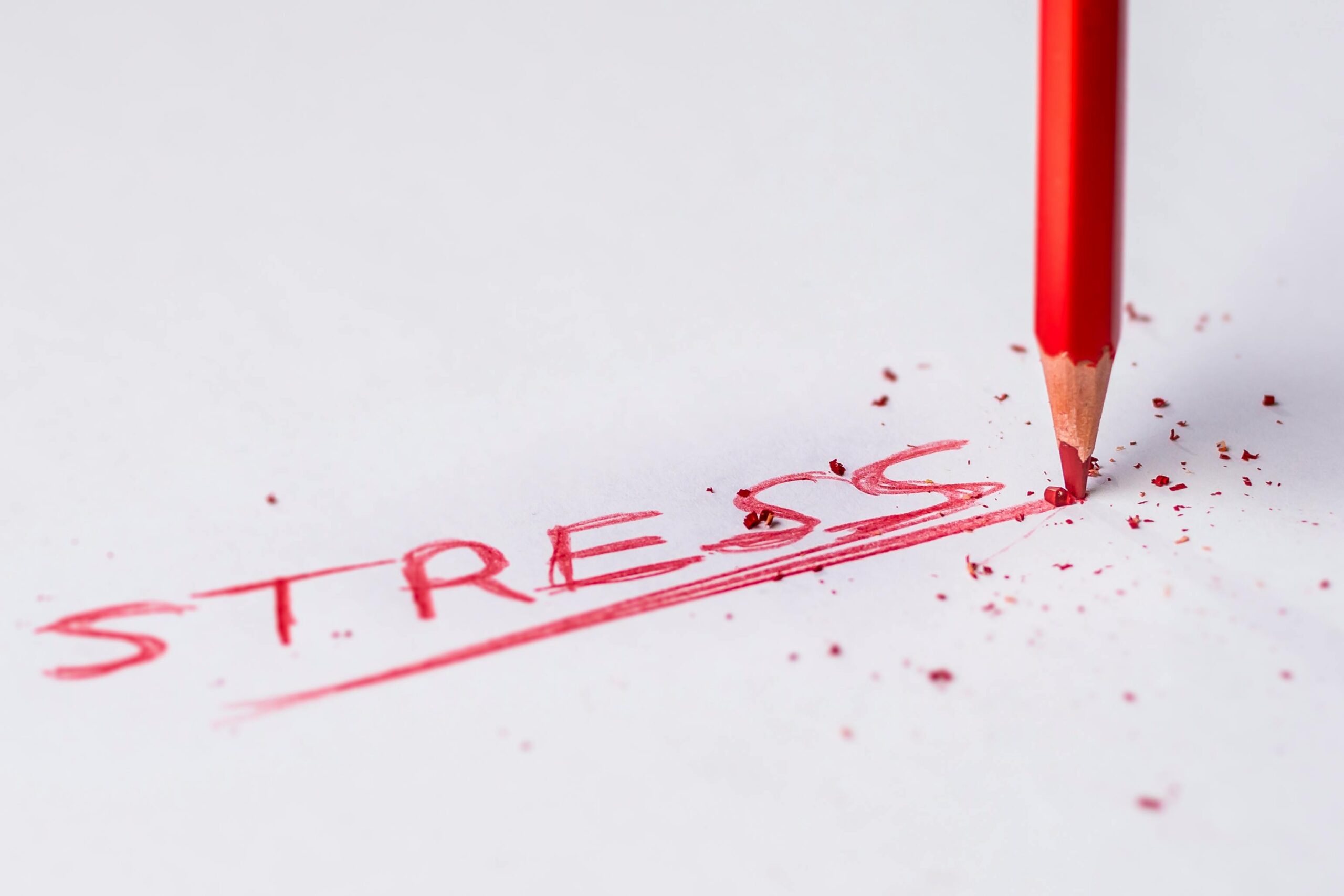
The Ancient Path to Modern Peace

 How Yoga Transforms Mental Health Through Breath

You know that feeling when it’s 3 AM and your brain just won’t shut up? You’re lying there thinking about tomorrow’s presentation, replaying last week’s awkward conversation, worrying about your health, jumping from one thought to another like you have absolutely no control over your own mind.

The ancient yogis had the perfect way to describe this. They said our untrained minds are like wild monkeys, restlessly leaping from branch to branch, never staying put long enough to find any real peace.

Turns out, they weren’t just being poetic. What we call “mental chatter” is actually our brain’s default mode of overdrive. But here’s what I find fascinating—those same ancient yogis figured out specific breathing practices can literally rewire our brains for calm.

The Revolutionary Science of Prana

When yogis and rishis talked about “prana,” they weren’t getting mystical on us (well, not entirely). They were describing something we now understand as the vital energy that keeps everything in our bodies running smoothly.

The word itself breaks down into “pra” (constant) and “na” (movement)—energy that’s always flowing. Pranayama isn’t just “breathing exercises.” It’s a sophisticated way of tuning into this energy and cranking up its frequency in your body.

Here’s where it gets really fascinating: the systems of yoga and tantra describe all existence as rooted in two eternal forces—Shiva (pure consciousness) and Shakti (dynamic energy, or prana). They’re not actually separate things; shakti is the creative force of shiva, the power through which consciousness expresses itself. The whole purpose of hatha yoga is to realize shiva—that state of pure awareness—by working through shakti, by awakening and mastering our own prana. This understanding runs deep in Kashmir Shaivism too, where they saw this dance between consciousness and energy as the fundamental nature of reality.

What’s remarkable is how this ancient framework lines up perfectly with what we know about how breathing affects our autonomic nervous system. When we breathe erratically, we’re basically sending chaos signals to our brain’s emotional headquarters. But when we breathe with intention and control? Everything starts to harmonize.

Two Paths, One Destination

Traditional yoga gives us two main approaches to calming the monkey mind:

There’s the Hatha path, which says “forget about trying to control your thoughts directly—just focus on your breath, and your mind will naturally follow.” Then there’s the Raja path, which goes straight for the mind through meditation and mental discipline.

Honestly? If you’re dealing with anxiety or chronic stress, I’d recommend starting with the breath-focused approach. Having experienced it I view it as something that would give you something concrete to work with instead of trying to wrestle your thoughts into submission.

The Science Behind Stillness

When you practice breath retention, you create gaps between nervous impulses and brain responses. Maharishi Patanjali defined pranayama as precisely this gap between inhalation and exhalation — as a pause that allows mental transformation.

Research confirms this ancient understanding: yoga activates the parasympathetic nervous system, counteracting the “fight or flight” response that traps us in cycles of stress and anxiety.

Beyond Symptoms: A Holistic Approach

Today’s mental health challenges—anxiety, depression, chronic stress—often stem from disconnection from the present moment and our own bodies. With increasing number of professionals and workers reporting significant workplace induced and related stress, we desperately need practical solutions

Yoga doesn’t just treat symptoms; it addresses the fundamental relationship between mind, body, and breath. It transforms not just how we feel, but who we are.

Try It Out: Nadi Shodhan Pranayama (Alternate Nostril Breathing a.k.a Anulom Vilom)

This foundational practice balances your nervous system and calms mental fluctuations. Here’s how:

Setup & Hand Position

-Sit comfortably in cross-legged position (Siddhasana)

-Use your right hand: thumb for right nostril, ring finger for left nostril

-Keep middle two fingers bent and free

The Practice

Phase 1: Single Nostril (Building Foundation)

1-Close right nostril with thumb

2-Breathe in slowly and fully through left nostril

3-Breathe out through the same left nostril

4-Repeat 10 times

5-Switch: Close left nostril with ring finger

6-Breathe in and out through right nostril 10 times

Phase 2: Balanced Breathing

1-Start with left nostril (right nostril closed)

2-Inhale for a count of 3-4

3-Switch: close left nostril, open right

4-Exhale for the same count

5-Inhale through right nostril (same count)

6-Switch: close right nostril, open left

7-Exhale through left nostril

8-This completes one round—practice up to 10 rounds

Key Points

-Ratio: Start with 1:1 (inhale 4 counts, exhale 4 counts)

-Progression: With practice, you can adjust ratios and add retention (kumbhaka)

-Quality over Quantity: Smooth, steady breaths are more important than long counts

What You’ll Notice

-Immediate calming of the nervous system

-Enhanced focus and mental clarity

-Balanced energy — neither drowsy nor agitated

-Greater emotional stability throughout your day

A Living Practice for Modern Times

The wild monkey mind doesn’t have to remain wild forever. Through patient, consistent practice — beginning with something as simple as alternate nostril breathing — we can train restless mental energy to become our ally.

In learning to still the fluctuations of the mind through breath, we don’t just manage mental health—we discover what it means to truly flourish as human beings.

Ready to begin? Start with your next breath. Try the Nadi Shodhan technique for just five minutes today and then make it a consistent part of your life, and let this ancient practice guide you toward the peace that has always been there, waiting beneath the surface of your busy mind.

This article draws from both ancient yogic texts, Hatha Yoga Pradipika book (in my collection) and contemporary mental health research. Please note – for serious mental health concerns, yoga should complement, not replace, professional medical care.


Namaskar! I’m Sharang. I'll use writing as a way to contribute to this community by exploring topics around self-development and health. Through writing, I'll share personal experiences, and fresh perspectives to inspire others to live more intentionally and explore new ideas. When I’m not writing here, I’m usually working in platform engineering and cloud computing — or being engaged in one of my many hobbies ☺️.

POST COMMENT

Your email address will not be published. Required fields are marked *