
Flights, Layovers and Lessons

I love sharing my travel stories—if you’ve read my earlier piece, The India They Didn’t Teach Us About,” you’ll know travel has always been in my blood. This isn’t an official series, but for anyone curious, that essay sets the mood for how I see both my roots and the road.

Let me ask: How many of you list “travelling” as a hobby? Of those, how many truly pursue it, especially once you tally up the bills and frustrations? Travelling can feel like an expensive affair—so here comes a gentle reality check.

Before you label me a “cheap traveller,” let me explain: I’m not cheap—I’m frugal. There’s a world of difference. My travel bug stirred in childhood but truly hatched at 33, after years of plotting and daydreaming. Dreaming is free, of course—everyone’s entitled to “Mungeri Lal ke haseen sapne.” But real travel? It tests both wallets and willpower.

Journey vs. Destination

It’s the age-old debate: Is the destination more important, or the journey itself?

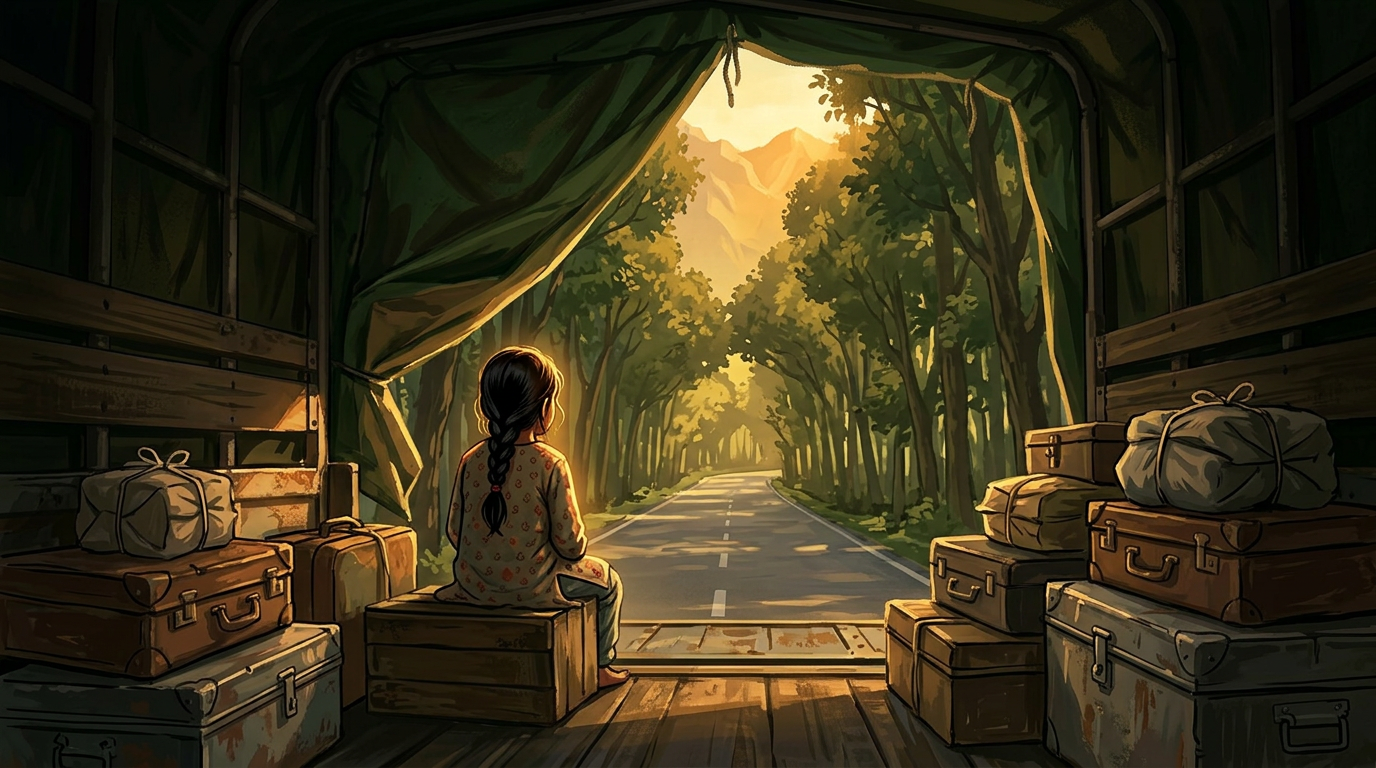
For me, the answer was always the journey. Destinations can disappoint. Journeys? They’re priceless, unpredictable and sometimes, the only thing you get to keep.

My earliest trips, back to my hometown or on holy pilgrimages as a kid, weren’t exactly bucket-list destinations. And if I’d judged travel by those endpoints, the hobby would have withered quickly. Instead, soaking up every odd transit, quirky snack, and layover kept my wanderlust burning.

I learned to mine positivity from the rough bits. For example, flying from Kuwait to India, the thrill was often in the little things—apple juice on the plane, because it looked like something more grown-up. Even now, I’ll pick a flight with layovers over a direct one. My travel agent once joked I was the only customer hunting for the longest layover.

Back then, British Airways could zig-zag around the world—Kuwait, London, Dubai, Delhi, Tokyo—before IATA regulations clamped down in the ’90s. My dad was a legend at unearthing the cheapest, quirkiest tickets. Later, as rules changed, airlines merged and codeshared, and travel became just a bit less magical, but a tad easier for everyone. Corporations and governments kept rewriting the playbook, and we kept adapting, looking for loopholes to let the adventures continue.

The Airport Chronicles

Even now, I prefer Middle Eastern or Asian airports for long layovers. American airports? One hour is too much. In the US, I’d rather drive cross-country than fly—road trips reveal an America flights never do.

Trains hold another place in my heart. When my family landed in Delhi, we’d choose the overnight train to our hometown, skipping the plane for the sleeper class—even in the searing heat of Indian summer. Sure, the destinations sometimes fell flat (no electricity, no running water for months!), but the journeys sparkled: new sights, the rhythm of the tracks, learning to entertain ourselves before “I’m bored” was an option.

Younger me never complained. A day stranded in a Delhi hotel was a bonus, not a setback. The journey always outperformed the destination—five stars for the ride, one star for the stop.

The Unexpected Journeys

Adolescence brought a new set of trials: the Gulf War forced us from Kuwait to India by bus, ship, flight, and train—a tour through chaos and resilience. Each mode of transport shaped the story. Later, a trip from Delhi to Nepal was the rare “perfect travel”—where both journey and destination were sweet.

And yes, I still asked for those crazy layovers, like an eight-hour break in Dubai so airlines would put me up in a hotel. My first real adventure in a new country came thanks to this quirk—and, oh, how I wish YouTube had been around then to capture it all.

The 2000s brought more corporate travel packages, big travel agencies, and glossy brochures. I stuck to scrappy agents who could outsmart the system for a better deal. I savoured the last gasps of an age where a return ticket was always cheaper and one-way plans (now the norm) felt like a secret trick.

Low-cost airlines invented new loopholes—shifting their hubs to enjoy cheaper airport access, nudging old giants to innovate or fade.

Analog Dreams, Digital Realities

Filming these journeys was an effort of devotion: converting analog videos to digital, wrestling with slow computers, then struggling to upload on a 56 kbps dial-up modem. One dropped connection meant a week’s work undone. Today? The world records and uploads their travels instantly—an evolution I envy, though it makes every new journey feel a bit less personal.

When the Destination Becomes the Goal

Eventually, the script flipped. After decades of savouring the “how,” I’ve learned sometimes the “where” starts to matter again. Maybe it’s age, maybe it’s life’s limitations—but I now sometimes want the destination to sparkle, not just the means to get there.

But travel, I’ve realised, can transcend the boundaries of time and space. I used to believe that travel had to be felt through your own feet, your own discomfort, your own surprises. But lately, I’ve come to appreciate something new: the secondary journey.

One evening, I came across a video of my little niece on her first cross country ride across Surrey Hills—in a town I’ve never visited. And yet, I felt a quiet joy rise in me. The way she wobbled, the wind in her hair, the pride in her eyes—somehow, her moment became mine too. I wasn’t physically there, but the journey reached me all the same.

In this digital world, where stories travel faster than people, we are all co-passengers in each other’s adventures. Through shared videos, vlogs and photo diaries, a part of the experience transfers. Just enough to stir us, inspire us, or even heal us. It may not be the same as being there. But sometimes, watching becomes wandering. The screen doesn’t separate us, it connects us. And in that connection, we journey.

To the dreamers: keep seeking journeys worth remembering, even if you discover them through someone else’s eyes.

“It’s not the destination, it’s the journey.”

These words ring true. Especially now, when we can wander through stories, screens, or a child’s first ride. There’s always more than one way to travel.

Kamlesh Kumar is a Non-Resident Indian who grew up in Kuwait, shaped by the currents of migration and memory. In his writing, he illuminates the complexities of living between cultures, delving into the dissonance between inherited stories and the realities he’s experienced. Through a lens sharpened by travel and the pursuit of home, he reveals how identities are not fixed by maps or textbooks, but transformed by wonder, loss and the search for belonging.

2 Comments

  • Sheetal Raina

    We just read this at home and had a wonderful discussion about it!
    D shared some great memories—especially how the travel agencies in Kuwait City always seemed so much pricier than the ones in Salmiya. Back in the 80s, getting tickets to Delhi was such an undertaking; the whole household would be calling every travel agent known, hoping to score just a slightly better deal. It was frantic, but kind of fun in retrospect. Your mention of the Nepal trip was well remembered and he agreed—the train journeys were truly a highlight for everyone. Somehow, the camaraderie and unpredictability of those train rides made the destination even sweeter. Thanks for sparking these memories and reminding us that the journey (and all the hustle that comes with it) really is the best part!

    • Kamlesh Kumar

      Thank you so much, Sheetal! Reading this truly made my day. I love that it sparked such a great conversation at home—those memories of Kuwait travel agencies and the scramble for Delhi tickets brought a big smile to my face. It was such a frenzy back then, but you’re right—there was a certain magic in all that chaos. And yes, those train journeys to Nepal felt like adventures in themselves… the shared snacks, unexpected delays, and all the stories along the way. I’m so glad it brought those moments back for D too. Here’s to the beautiful hustle of travel and the memories it gives us!

POST COMMENT

Your email address will not be published. Required fields are marked *