A father returns to Kashmir after thirty-five years of silence, only to find that the blossoms he carried in memory have been buried under concrete.
By Nancy Goja
Thirty-five years. Thirty-five summers since the valley last sang its lullaby. Thirty-five winters since Mohinder Nath left the house that smelled of apple blossoms and sunrise.
He never spoke of it. Not to his son. Not to anyone. The memories were shards of glass, sharp, hidden, too painful to touch. But one evening, his son broke the quiet.
“Papa, I want to take you somewhere.”
Mohinder Nath’s eyes flickered, a candle caught in a sudden breeze.
Kashmir!
The word hung like a prayer, soft, trembling, full of hope.
The Return
The plane cut through clouds, the world below a quilt of mist. When the wheels touched Srinagar airport, Mohinder Nath pressed his palm to the window. A whisper escaped his lips. “Oh God!”
And the mountains answered. Welcome. Sentinels of time, watching. Waiting for the visitors.
They hired a taxi. The streets were familiar yet unfamiliar. Mohinder Nath pointed, voice a low murmur. “Turn left, that’s where Habib’s lived. The Chinar tree still stands.”
His steps were measured, each footfall a prayer, each breath a story. Aman held his father’s hand, steady and reassuring. The world seemed to slow. The air thick with rosewood and saffron.
Mohinder Nath yelled at the driver. “Stop! See this faded gate? This was Malik’s house. They would throw rose petals on Eid.”
Father & Son
Aman asked his father, “Baba, what was it like? The old days?”
“Like breathing, son. You don’t know till air is gone.”
“Do you miss it?”
“I miss them. The people, the laughter, the togetherness. Not the stones. Not the trees. The us we were.”
Blossoms into Concrete
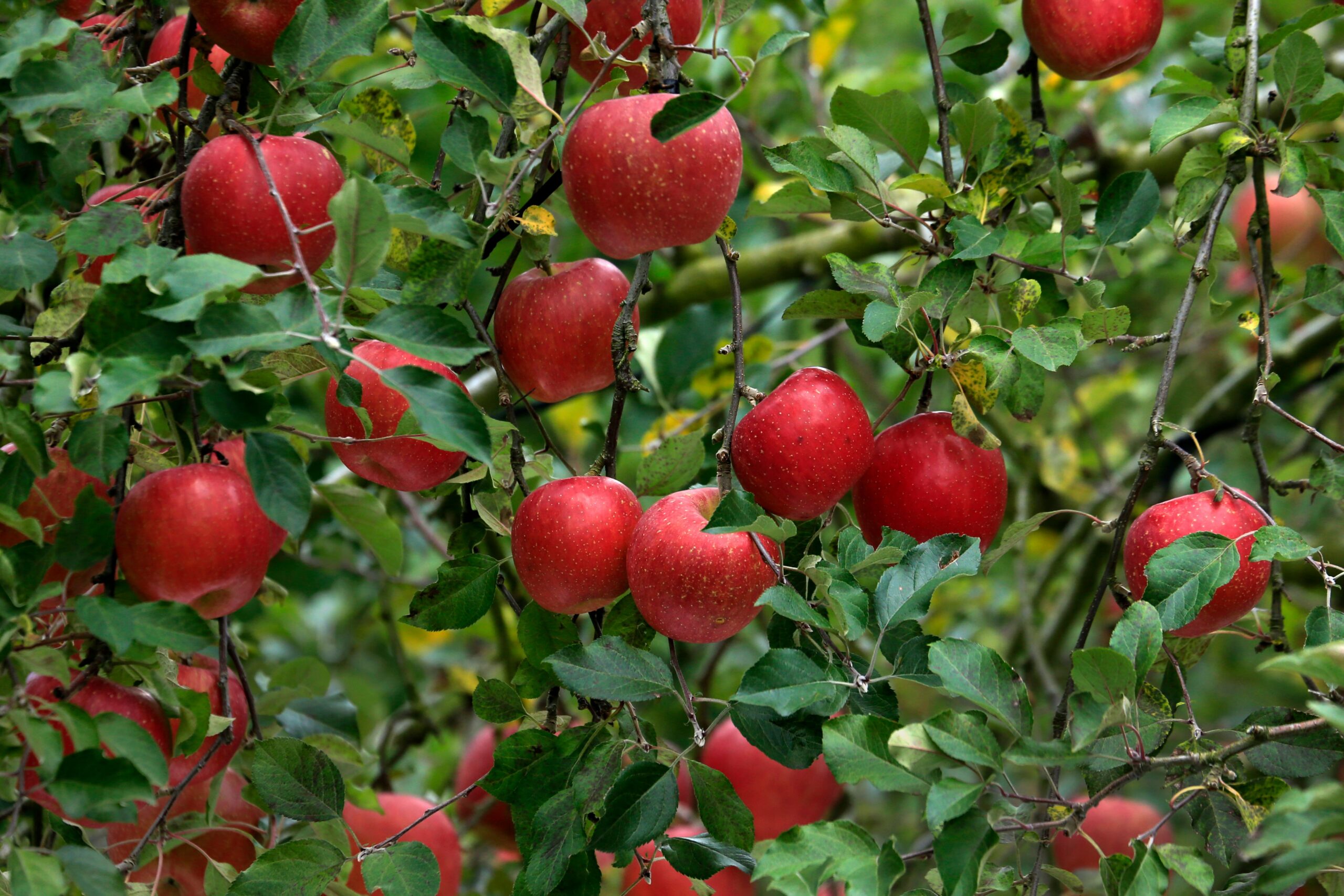
They drove down the familiar winding path, the scent of apples hanging heavy in the cool mountain air, thinking the old house, their home, still waiting beneath the canopy of blossoming trees. The orchard had always been their world: rows of gnarled trunks, the rustle of leaves, the laughter of neighbours echoing between the branches.
When they reached the spot where the front door should have stood, a blank slate.
The apple trees, once a sea of pink-white flowers and sweet fruit, had vanished. Replaced by towering mansions, polished walls and gated compounds that rose like strangers in a place that once breathed familiarity.
I miss them. The people, the laughter, the togetherness. Not the stones. Not the trees. The us we were.
The house was gone, either razed to dust or swallowed behind high, cold walls. No neighbour’s voice answered their calls. The lanes that once hummed with children’s games were now silent corridors of brick and steel.
Some had fled, some had died; the lives that wove the fabric of that place were now shadows between the new structures.
What Remains
Mohinder Nath’s heart tightened, a knot of grief and disbelief. The orchard, which should have welcomed them with its presence, was now a ghost, its roots uprooted, its shade lost.
Then
Apple blossoms and sunrise
Neighbours throwing rose petals on Eid
Lanes humming with children’s games
The Chinar tree standing watch
Now
Towering mansions, polished walls
Silent corridors of brick and steel
Gated compounds rising like strangers
An orchard turned to ghost
They stood there gazing, breath shallow, eyes misty, tumbling over empty spaces. They stood there, frozen, the world moving on around them, cars humming on new roads, strangers passing with heads down, while their world stayed stuck in that barren clearing.
They turned back, the road home now a phantom path, the orchard a scar on the landscape, the home a hazy caricature in their minds. Nothing. Absolute wilderness.
They left with nothing but the echo of what was, the ache of a home that existed only in the fragments of their minds, and the bitter realisation that some places, once loved, become unrecognisable, turned to stone, walled off, erased.
Nancy Goja is a passionate writer, poet and retired English teacher originally from Srinagar, Kashmir. With family roots extending to Anantnag and currently based in Greater Noida, Uttar Pradesh, she brings a rich cultural perspective to her creative work. Educated at the University of Kashmir and Himachal Pradesh University, Nancy dedicated her professional life to teaching English and nurturing a love for language and literature.
Now retired, she devotes her time to her many creative pursuits, including reading, writing, painting and calligraphy. Deeply inspired by her heritage and surroundings, Nancy writes compelling short stories and heartfelt poetry in English, Hindi and Kashmiri. Her literary contributions are regularly featured in Koshur Samachar, Delhi—a highly esteemed trilingual magazine of the Kashmiri community.
Nancy's work echoes a deep connection to her roots, a love for languages and an enduring commitment to storytelling.
Just as a seed is a complete plant in miniature form, the title of this article is the seed form of the full article — in which the writer has written her heart ❤️ out. From the time she left her hearth in early spring, when her fruit orchard was in full bloom, and revisited after 35 years and found the view quite pathetic: all concrete with towering buildings, and no trace of the fragrance of a blooming orchard.
This is the story of all who were victims of this tragic exodus.
Hats off to both the writer and the editor for presenting this article in such a compelling form. God bless you both.
We value your privacy. To improve your experience, we use cookies and similar technologies for the following purposes:
- Essential functions: These cookies make the site work properly and keep it secure.
- Analytics: These cookies help us understand how the site is used and improve performance.
- Personalisation and marketing: These cookies show relevant content and measure engagement.
You can choose which categories to allow. Your preferences will be saved for future visits, and you can change them at any time in Cookie Settings.
This website uses cookies
Websites store cookies to enhance functionality and personalise your experience. You can manage your preferences, but blocking some cookies may impact site performance and services.
Essential cookies enable basic functions and are necessary for the proper function of the website.
Name
Description
Duration
Cookie Preferences
This cookie is used to store the user's cookie consent preferences.
30 days
You can find more information in our Cookie Policy and .






Dr.Moti lal Goja.
Just as a seed is a complete plant in miniature form, the title of this article is the seed form of the full article — in which the writer has written her heart ❤️ out. From the time she left her hearth in early spring, when her fruit orchard was in full bloom, and revisited after 35 years and found the view quite pathetic: all concrete with towering buildings, and no trace of the fragrance of a blooming orchard.
This is the story of all who were victims of this tragic exodus.
Hats off to both the writer and the editor for presenting this article in such a compelling form. God bless you both.