
Navreh

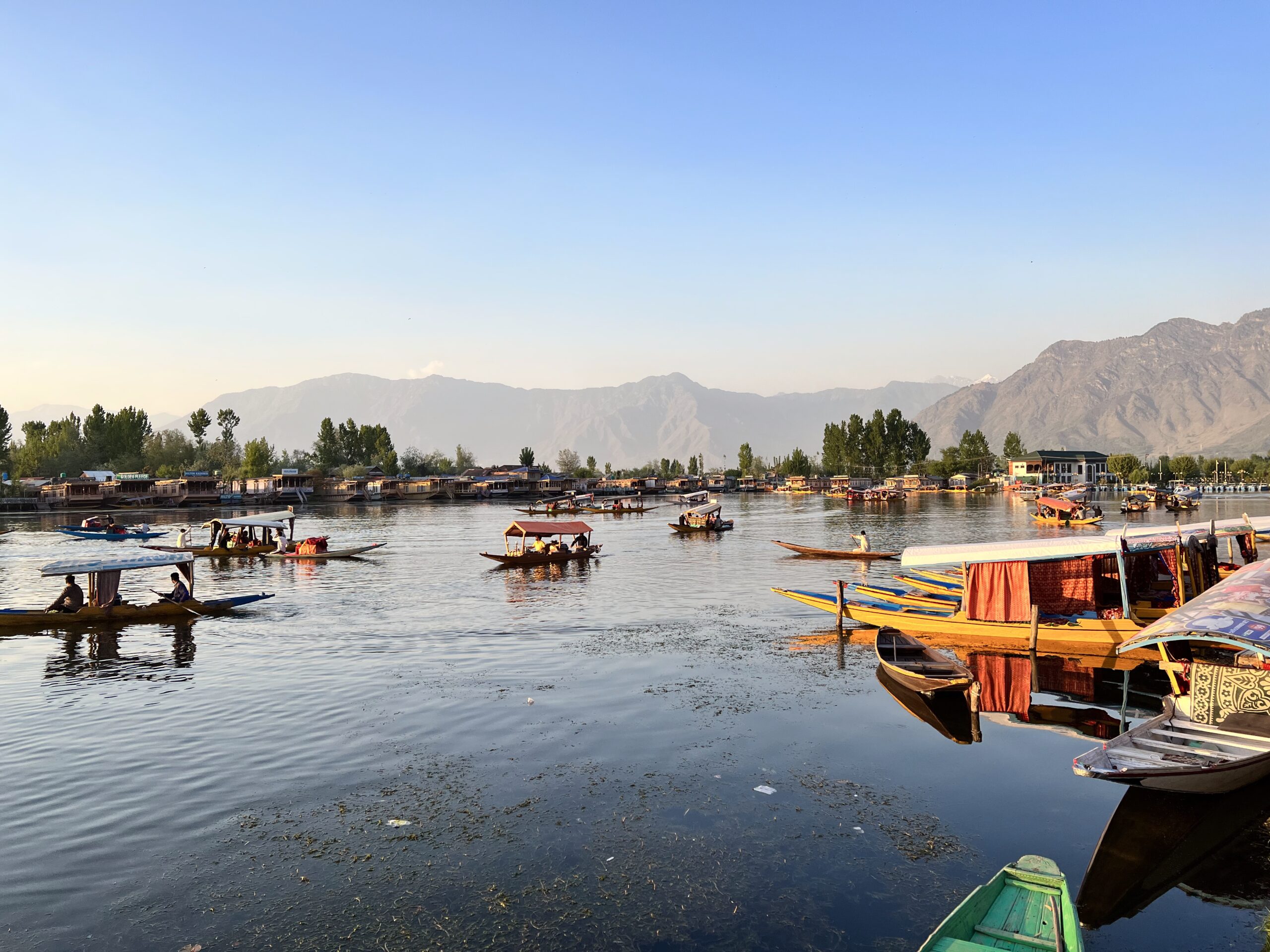
Kashmir, a heaven on earth… where mountains meet the sky… laden with blossoms… comes the advent of spring – a paradise of beauty where hearts float with freshness and glory.

Navreh is a significant festival of Kashmiri Pandits, once celebrated with great pomp and show before the exodus of 1990.
This ancient festival marks the beginning of the New Year in the Kashmiri calendar and is an integral part of our cultural heritage.

Navreh has its roots in ancient Kashmir, reaching back to the first millennium CE.
The word Navreh is derived from the Sanskrit “nava,” meaning new, and “reh,” meaning year.
The festival is celebrated on the first day of the Kashmiri month of Chaitra (March–April) and heralds the beginning of spring.

Traditions and customs

Kashmiri Pandits would wake up early… take a ritual bath… and wear new clothes.
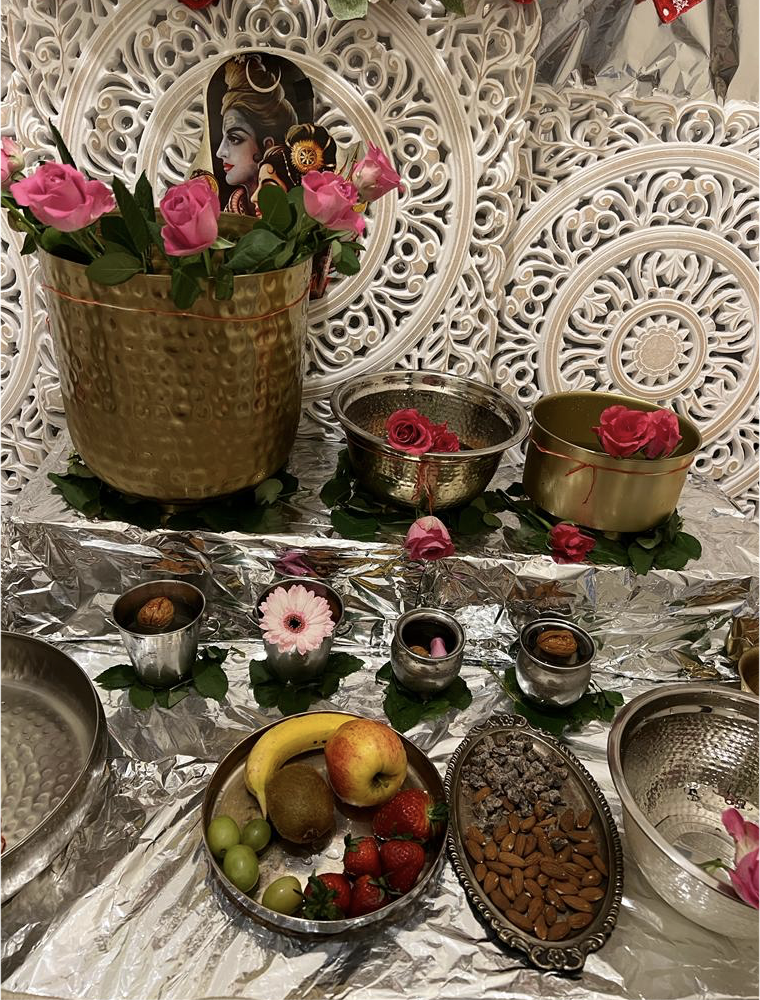
They would prepare traditional dishes and offer prayers to Goddess Sharika.
The festival was also a time for family gatherings, exchanging gifts, and seeking blessings from elders.

Before the exodus, Kashmiri Pandits celebrated Navreh by visiting Hari Parbat in Srinagar.
They would gather on the hill… offer prayers… and perform rituals to mark the New Year and worship Goddess Sharika.
Traditional music and festive food filled the day, bringing the community together in a joyous atmosphere.

Overall, Navreh is a joyous celebration of life, culture, and tradition.

Navreh’s whispers echo in distant memories… stored deep within… a lingering gaze turned toward Kashmir’s sacred shores.

The samavar – the traditional pot – where kahva, Kashmiri chay, bubbles with fragrance, offering a sweet delight…

We remember walking through the full-bloomed Badam Vari, celebrating Navreh with our loved ones.
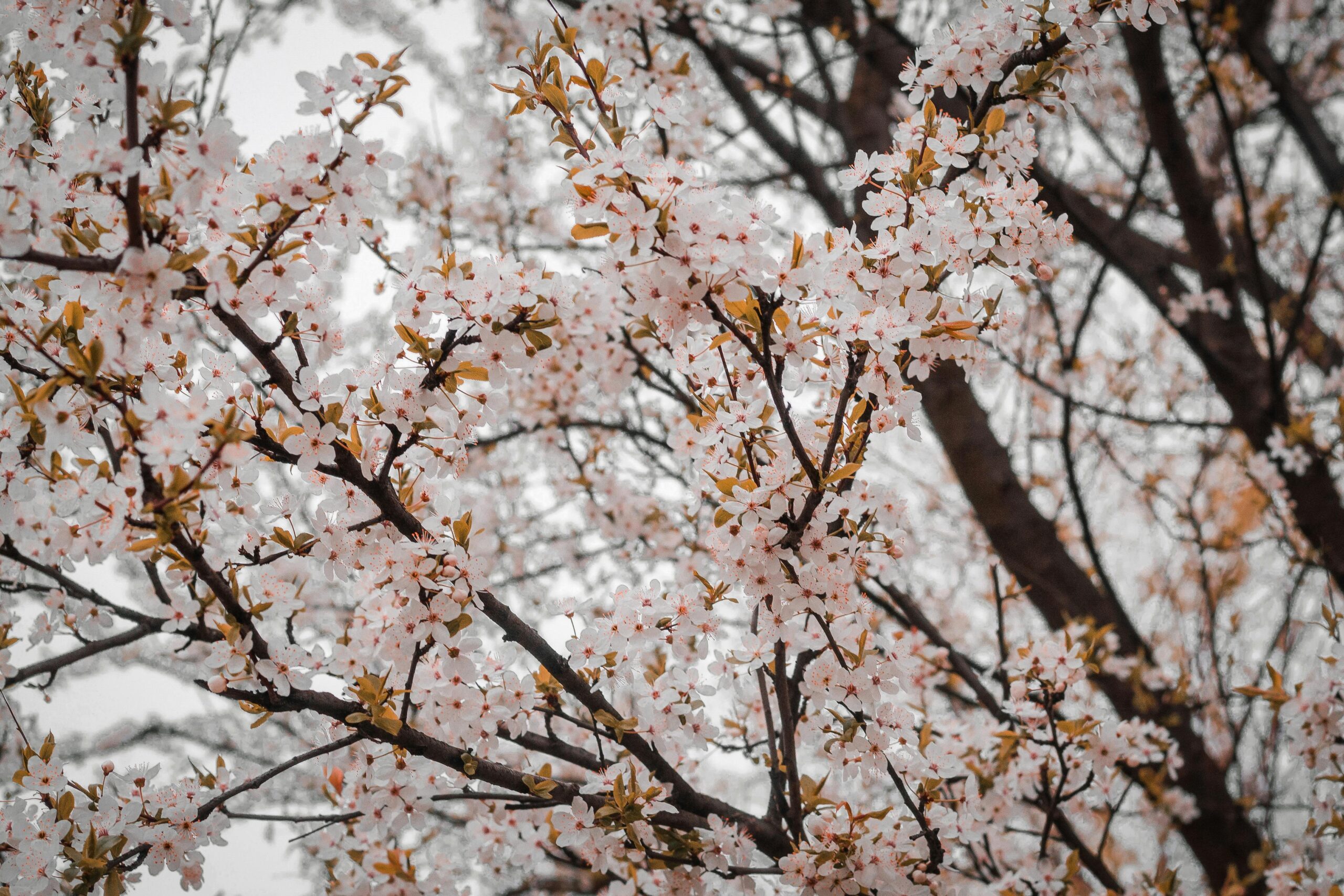
Almond blossoms burst forth in a pink petal parade, dancing in the soft spring breeze.
There is a great longing when we recall sitting under the canopy of pink blossoms… tiny petals falling, welcoming us with new life… a fleeting beauty that lifts every shadow.
The hills transform into a pink petal sea… a breathtaking spectacle for everyone.

The celebration of Navreh declined sharply after the exodus of Kashmiri Pandits in 1990.
Many families were forced to flee, carrying their traditions and customs with them into distant lands.

Yet efforts continue to revive and preserve the cultural heritage of Kashmiri Pandits, including the celebration of Navreh.
Organizations and community groups work to promote Navreh, to remind younger generations of its meaning, and to keep alive the memory of this ancient festival.

Let us keep the rich cultural heritage of Kashmir alive…
Let the samavar’s steam rise high… kahva filling the air…
Families uniting with love and warmth…
Painting the sky with Navreh’s vibrant hue…

Nancy Goja is a passionate writer, poet and retired English teacher originally from Srinagar, Kashmir. With family roots extending to Anantnag and currently based in Greater Noida, Uttar Pradesh, she brings a rich cultural perspective to her creative work. Educated at the University of Kashmir and Himachal Pradesh University, Nancy dedicated her professional life to teaching English and nurturing a love for language and literature. Now retired, she devotes her time to her many creative pursuits, including reading, writing, painting and calligraphy. Deeply inspired by her heritage and surroundings, Nancy writes compelling short stories and heartfelt poetry in English, Hindi and Kashmiri. Her literary contributions are regularly featured in Koshur Samachar, Delhi—a highly esteemed trilingual magazine of the Kashmiri community. Nancy's work echoes a deep connection to her roots, a love for languages and an enduring commitment to storytelling.

POST COMMENT

Your email address will not be published. Required fields are marked *