There was a time when growing old in our civilisation meant something beautiful. It meant sitting in the winter sun while grandchildren played nearby. It meant being consulted in family decisions. It meant being called the pillar of the house. Old age was once the season of dignity. Today, for many elders, especially among displaced communities, it has become a silent and unbearable exile. Not just from land, not just from home, but from belonging itself.
A life between three absences
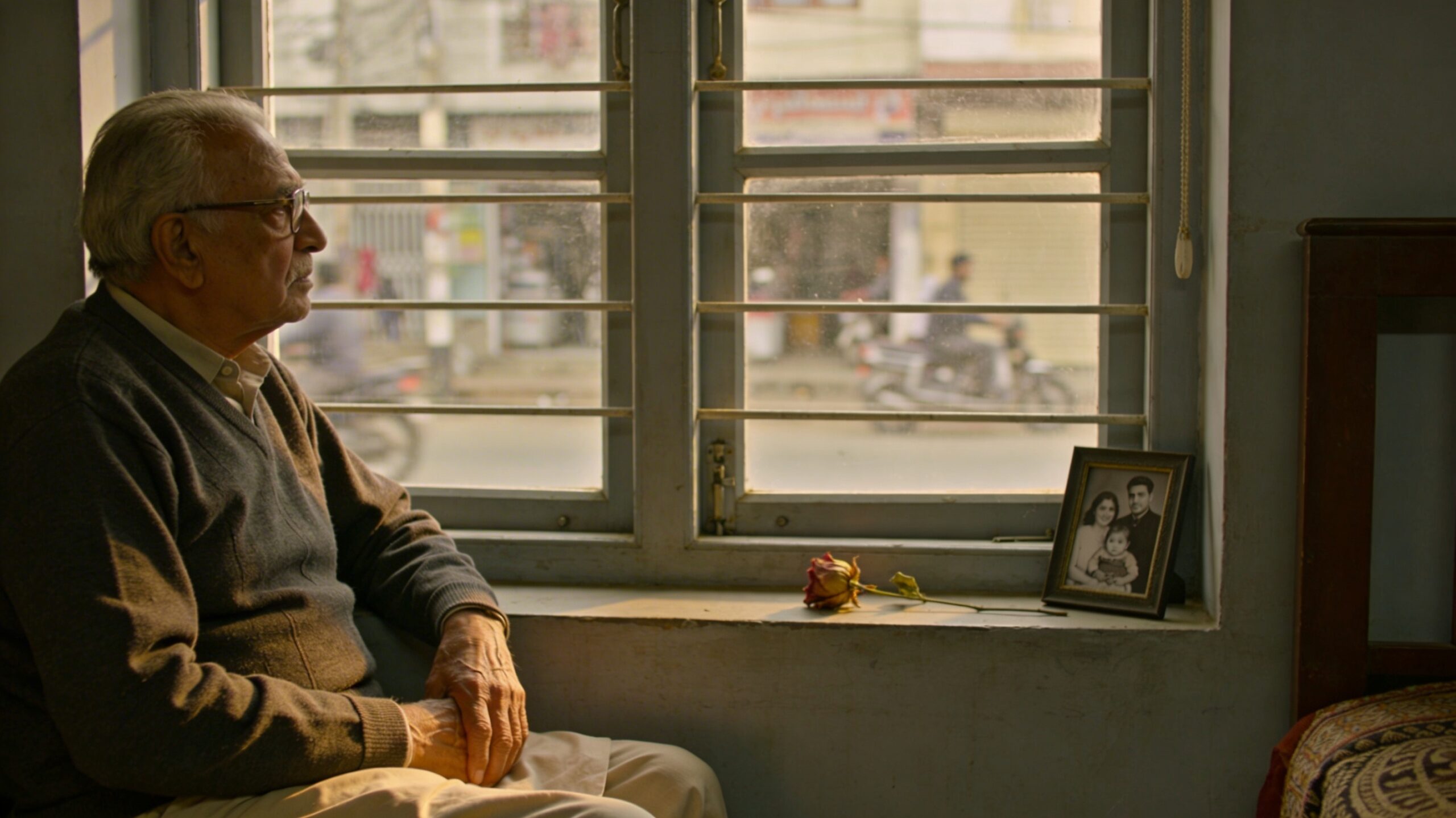
Shri Kashinath Bhat is in his late seventies. He lives in a modest two‑room house in Jammu, far from the valley of Kashmir where he was born, raised, and where every memory of his youth still breathes. Thirty‑six years ago, he did not choose to leave Kashmir; he was forced to. He remembers the night his family fled, carrying little more than a few clothes, some documents, and the heavy weight of uncertainty.
He believed exile would be temporary. Weeks became months. Months became years. Years quietly turned into decades. Today, those decades sit on his shoulders like an invisible mountain.
Trapped between three worlds
Kashinath’s tragedy is not just displacement. It is being trapped between three unreachable worlds.
His ancestral house still stands somewhere in Kashmir, or perhaps it does not; he no longer knows. He often says: “My body lives here… but my soul never left that courtyard.” He longs to see the walnut tree he planted as a young man, the temple where he prayed as a child, the neighbourhood where every face once felt like family. But age, insecurity and uncertainty have turned that dream into an impossibility. Home has become a memory.
His son and daughter live in the United States. They left years ago, seeking education, stability and opportunity, the very things exile denied them. They love their parents deeply. They call regularly. They send money.
But distance is not measured in kilometres. It is measured in moments missed. A father’s trembling hands no one holds. A mother’s illness no child witnesses. Festivals celebrated over phone screens. Kashinath says quietly: “They are not far from my heart… but they are far from my life.”
His small house in Jammu is silent. Only he and his ailing wife live there. Their pension barely covers two modest meals a day and medicines for survival. There is no one to take them to hospital when needed, to help during sudden health emergencies, or to sit beside them during long evenings. Most days pass in silence. Sometimes, entire days go by without a single knock on the door.
The fear that haunts every elder
Kashinath’s greatest fear is not death. It is helplessness before death. He worries constantly, what will happen when his legs lose strength? When memory begins to fade? When even basic tasks become impossible? Who will help then? Who will sit beside him in those final fragile years? These questions have no answers. Only silence.
A story that mirrors thousands
Kashinath Bhat’s life is not unique. It is the story of countless Kashmiri Pandit households, families that endured displacement once and now endure emotional displacement again in old age.
First, they lost their homeland, their community and their security. Now many are losing physical strength, social support and emotional companionship. It is a second exile, quieter, but equally painful.
When old age becomes a curse
Old age becomes a curse not because of wrinkles or weakness. It becomes a curse when a lifetime of sacrifice ends in loneliness. Parents become invisible in the lives they built. Homes echo with silence instead of voices. The deepest wound is not poverty. It is irrelevance.
A question for society
How did we reach a point where those who once held our hands now spend their last years waiting for someone to hold theirs?
A society that neglects its elders is not progressing. It is forgetting its roots. Elders are not dependants. They are living archives of history, resilience and identity.
A silent prayer from every ageing parent
If you ask Kashinath Bhat what he wants today, he will not mention wealth or comfort. He will simply say: “I do not want to be a burden… I just want to feel that I still belong somewhere.” That is what most elders desire. Not luxury. Not sympathy. Just presence.
A call for awakening
Every young person will one day stand where Kashinath stands today. The way we treat our elders now is the future we create for ourselves.
Because in the end, a civilisation is measured not by its skyscrapers, but by how gently it holds the hands of its ageing parents. And perhaps the greatest social duty before us today is simple. To ensure that old age does not become a second exile.








POST COMMENT